
Ukrainians fear US intelligence cuts as Russian strikes intensify
Introduction & Key Takeaways
As the conflict in Eastern Europe enters a complex new phase, the geopolitical landscape is shifting under the weight of an unexpected energy ceasefire. Recent reports indicate that the flow of vital military intelligence from Western partners to Kyiv has faced significant disruptions, leaving Ukrainian civilians more vulnerable to incoming ballistic missiles. This shift in diplomatic and operational support coincides with American efforts to stabilize global oil prices through a proposed cessation of strikes on energy infrastructure.
- Intelligence Gaps: Kyiv reports a decline in early warning data, critical for detecting thermal signatures from incoming missiles.
- The Ceasefire Debate: The proposed energy ceasefire is viewed by many as a strategic political maneuver ahead of midterm elections.
- Starlink Constraints: Reports suggest that technical restrictions on Starlink terminals are impacting drone operations, complicating defense efforts.
Background & Context (What Just Happened?)
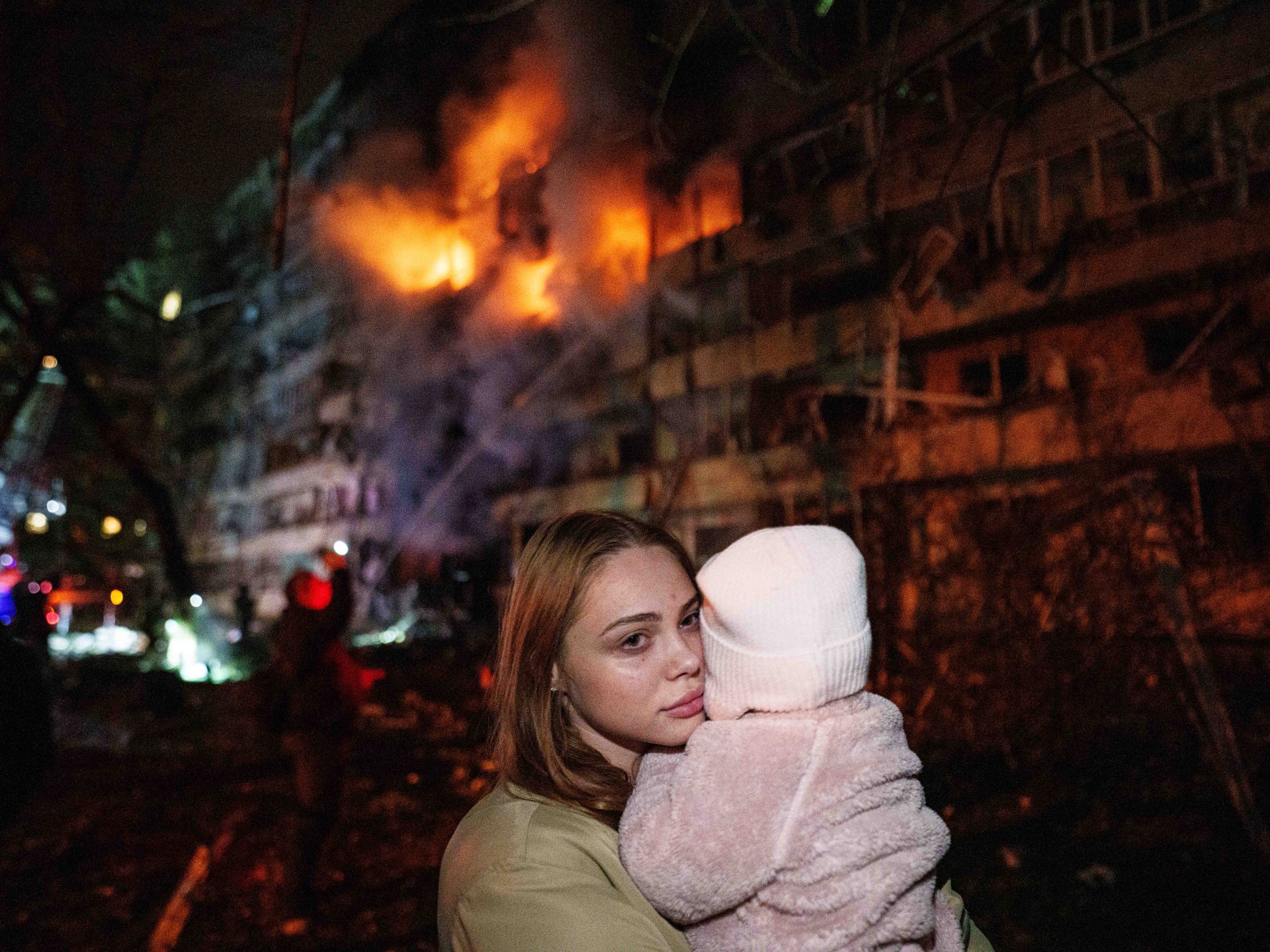
The intensity of Russian aerial campaigns has not diminished, yet the warning systems intended to protect Ukrainian urban centers are proving less effective. Historically, NATO early-warning satellites have provided a critical window of up to ten minutes for citizens to seek shelter after detecting the thermal plumes of rocket launches. Without this data, Ukraine relies solely on ground radar systems, which are significantly hampered by the sheer speed of modern ballistic weaponry. This intelligence deficit has occurred against the backdrop of persistent strikes on residential blocks, power plants, and strategic storage hubs, intensifying the humanitarian crisis.
For more insights into the broader regional tensions involving global financial institutions, read about how central bankers are navigating current market instability.
Root Cause & Deep Dive Analysis (Why Did This Happen?)
The crux of the matter lies in a delicate balancing act performed by the US administration. Analysts suggest that the push for an energy ceasefire is driven by a desire to lower global fuel prices, thereby creating favorable conditions for domestic political outcomes. By pressuring Kyiv to pause strikes on Russian oil refineries, the White House aims to prevent further volatility in energy markets. However, the consequences of such policies extend into the operational sphere. Military experts, such as Lieutenant-General Ihor Romanenko, argue that these political pressures force a trade-off that compromises the safety of the Ukrainian population.
The situation is further complicated by the Starlink infrastructure, which has become the backbone of modern military communication in the theater. Recent claims that SpaceX has throttled services for high-speed interceptor drones reflect a tightening grip on the technological tools provided to the front lines. Whether these limitations are purely technical or the result of executive directives remains a point of intense speculation.
Strategic Implications & Future Impact (What Does This Mean Globally?)
The implementation of an energy ceasefire represents a high-stakes gamble. While it may provide temporary relief for global energy markets, it essentially grants Russia a reprieve from the economic impact of refinery strikes. Observers from institutions like the University of Bremen suggest that while refinery attacks were once considered a strategic priority, their efficacy in achieving a rapid Russian collapse was likely overstated. Nevertheless, the suspension of these operations leaves the Kremlin with more breathing room to continue its ground-level offensive and infrastructure-targeting raids. Moving forward, the reliance on external satellite intelligence and commercial communication platforms will remain a strategic vulnerability for any nation involved in asymmetric warfare.
Conclusion & What to Watch Next
The coming weeks will be decisive. As Kyiv navigates the challenges of an energy ceasefire, the resilience of its air defense systems will be tested more severely than ever. Observers should keep a close eye on whether diplomatic channels can bridge the growing rift between Washington and Kyiv regarding intelligence sharing. Additionally, the evolution of drone warfare, specifically regarding the hardware restrictions placed on satellite-linked systems, will likely define the next tactical stage of the conflict. The war has moved into a state where political optics and battlefield realities are inextricably linked, and the cost of this shift is being paid daily by the civilian population.