
Usain Bolt’s 100m record broken at World Humanoid Robot Games
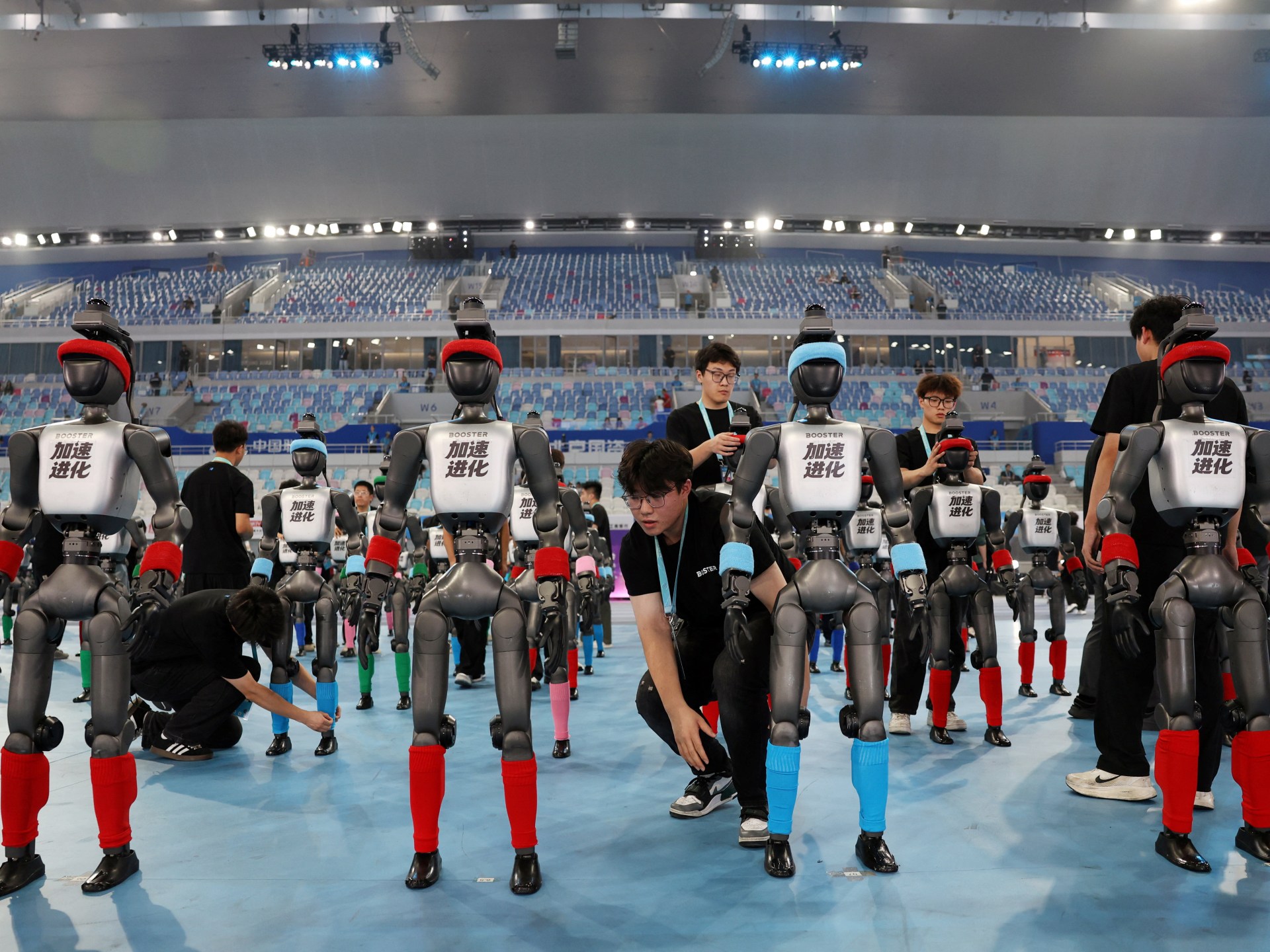
A seismic shift has just rippled through the worlds of athletics and technology, challenging the very definition of speed and physical prowess. In a truly astonishing display of engineering marvel, a Chinese humanoid robot has not only matched but definitively obliterated the iconic 100-meter sprint record held by the legendary Jamaican sprinter, Usain Bolt. This unprecedented athlete‘s monumental achievement of 9.58 seconds, set in 2009, now pales in comparison to the machine’s lightning-fast 9.32 seconds. This new humanoid robot record, reported by China’s state broadcaster, marks a critical juncture in the burgeoning field of robotics, signaling a future where the lines between human and artificial capabilities blur with dizzying speed.
Developed by Chinese smartphone giant Honor, the robot, aptly christened ‘Lightning,’ unleashed its breathtaking pace during a preparatory test event for the second World Humanoid Robot Games. Held in the bustling metropolis of Beijing, this global showcase for advanced robotics witnessed Lightning reaching a staggering peak speed of 14.5 meters (47.6 feet) per second. The implications are profound, extending far beyond the track and into the core of technological innovation and societal advancement.
The Dawn of the Humanoid Robot Record Era
This remarkable feat isn’t an isolated incident of mechanical brilliance; it’s part of a concerted, strategic push by China to position humanoid robots as a cornerstone of its emerging industries. Policymakers and leading companies alike are making significant investments, betting heavily that rapid advancements in artificial intelligence and sophisticated hardware will accelerate the deployment of these versatile machines across an array of sectors. From enhancing efficiency in manufacturing and revolutionizing logistics to introducing entirely new consumer applications, the vision is clear: humanoid robots are poised to become an indispensable component of tomorrow’s world.
The 100-meter dash, while spectacular, is not Lightning’s only athletic triumph. Earlier this year, in April, the robot showcased its endurance by conquering the 21-kilometer (13-mile) Beijing half marathon in an astounding 50 minutes and 26 seconds. This performance not only outstripped the elite men’s human world-record pace for the distance but also demonstrated a versatility that underscores the profound potential of advanced robotics. For the sprint event, researchers even lengthened Lightning’s legs by an additional 10 centimeters, bringing them to an impressive 1.05 meters (3.4 feet), a testament to the continuous optimization and iterative design processes driving these innovations.
Redefining Limits: Implications for Sport and Science
The establishment of this humanoid robot record serves as a potent symbol of how technology is relentlessly pushing the boundaries of what was once considered biologically impossible. For decades, the 100-meter sprint has been the ultimate test of human speed, a metric deeply ingrained in our collective understanding of athleticism. Now, a machine has not just surpassed it, but done so with a considerable margin, forcing us to re-evaluate our benchmarks for performance.
What does this mean for the future of competitive sports? While human and robot competitions are unlikely to merge anytime soon, the existence of such advanced machines opens up fascinating possibilities for robot-only sports leagues, potentially offering new forms of entertainment and technological spectacle. Moreover, insights gleaned from designing and perfecting these high-performance robots could even inform new training methodologies or biomechanical studies for human athletes, pushing the very edge of human capability. The fusion of AI and advanced materials, as seen in Lightning’s construction and programming, exemplifies the rapid advancements in robotic engineering.
China’s ambitions in robotics are part of a broader national strategy to lead in key technological domains. Much like its endeavors in space exploration and advanced computing, the development of sophisticated humanoid robots like Lightning underscores a commitment to innovation that aims to yield both economic and strategic advantages. For further insight into China’s technological push, one might consider its initiatives in other high-stakes scientific arenas, such as China’s new moon mission, which similarly aims to unlock new frontiers of knowledge and capability.
The Road Ahead for Humanoid Robotics
This humanoid robot record is merely a glimpse into a future where sentient machines with human-like dexterity and incredible strength become commonplace. As AI continues to evolve, enabling more sophisticated decision-making and real-time adaptation, and hardware becomes more agile and energy-efficient, the integration of humanoid robots into everyday life will accelerate. Imagine robots assisting in disaster relief, performing complex surgeries with precision, or even becoming companions in homes. The capabilities demonstrated by Lightning suggest a pathway to achieving these visions sooner than many might anticipate.
The second World Humanoid Robot Games in Beijing serves as a powerful platform for showcasing these advancements and fostering international collaboration and competition in the field. As we stand at the precipice of this technological revolution, the record-breaking sprint of ‘Lightning’ is a stark, exhilarating reminder that the future of robotics is not just arriving; it’s sprinting past our wildest expectations.