
Uttar Pradesh’s Yadav Belt: Political Tug of War Ahead of 2027 Elections | Uttar Pradesh Polls 2027
Introduction & Key Takeaways
As India prepares for a cycle of significant regional contests, the Uttar Pradesh Elections (2027) have already begun to take shape within the crucial geopolitical theater known as the Yadav belt. This region, historically significant for its concentrated demographic influence, has become the primary arena for a high-stakes power struggle between the incumbent Bharatiya Janata Party (BJP) and the resurgent Samajwadi Party (SP). Understanding the dynamics of this area is essential, as the electoral outcome here often acts as a bellwether for national political trends. The battle is not merely about candidate selection, but represents a collision of governance models, caste-based mobilization strategies, and shifting economic priorities that will define the future of India’s most populous state.
Key takeaways include:
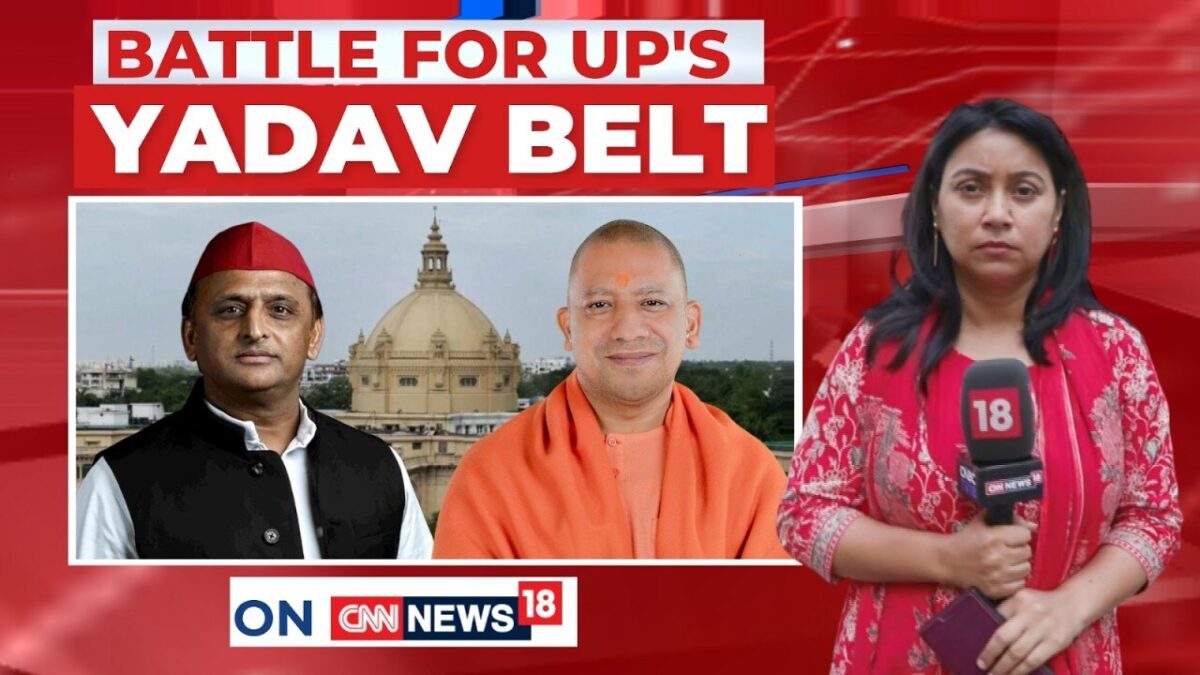
- The intensification of the political contest between Akhilesh Yadav and CM Yogi Adityanath.
- The critical role of caste-based social engineering in shaping voter sentiment.
- Escalating tensions over governance metrics like employment, inflation, and regional security.
- The potential for this belt to determine the legitimacy of the 2027 mandates.
Background & Context
What just happened in this region is a marked hardening of political battle lines. The Yadav belt, long considered a stronghold for socialist politics, has witnessed a fascinating evolution. While traditional loyalty to the Samajwadi Party remains a potent force, the BJP has spent years attempting to penetrate these rural heartlands through targeted development schemes and the incorporation of sub-caste identities into their broader Hindutva framework. Currently, the local pulse reflects a fractured landscape where support for the incumbent administration is challenged by growing frustrations over systemic economic pressures. For a deeper look at how political movements interact with state systems, one might examine the historical impact of public agitation in India.
Root Cause & Deep Dive Analysis
Why did this intense competition manifest now? The root cause lies in the demographic density of the Yadav community, which wields outsized influence over seat distribution in the state assembly. The BJP, under Yogi Adityanath, has prioritized a narrative of law and order alongside infrastructure modernization. Conversely, Akhilesh Yadav has leveraged the perceived neglect of rural agrarian interests to consolidate his base. As documented by academic research on regional power dynamics, this region serves as a microcosm for the larger national struggle between populist welfare politics and corporate-backed developmentalism. Analysts note that inflation and the lack of organized job growth in rural pockets are currently the primary drivers of voter discontent, providing a fertile ground for the opposition to mount a significant challenge.
Strategic Implications & Future Impact
The Uttar Pradesh Elections of 2027 carry profound implications for the national political landscape. A victory for the BJP in this specific belt would solidify their dominance, potentially rendering traditional caste-based coalitions obsolete in future cycles. However, a significant swing toward the Samajwadi Party would force a national recalibration of political strategy. This tug of war is not just about local legislative control, but serves as a litmus test for the enduring efficacy of regional identity politics in an increasingly centralized governance model. The future impact of this conflict will likely determine the budget allocations, social welfare policies, and infrastructure priorities for the entire northern corridor of India for the next decade.
Conclusion & What to Watch Next
As the campaign season matures, observers should focus on the changing communication strategies of both major camps. Will the BJP manage to counter the narrative of economic stagnation with promises of new industrial corridors, or will the Yadav belt successfully act as a firewall against these claims? The 2027 contest is poised to be more than just an election; it is a profound referendum on the current direction of Uttar Pradesh. Watch for shifts in coalition building, potential third-party spoilers, and the increasing role of digital media in swaying undecided voters in remote, rural assembly districts.