
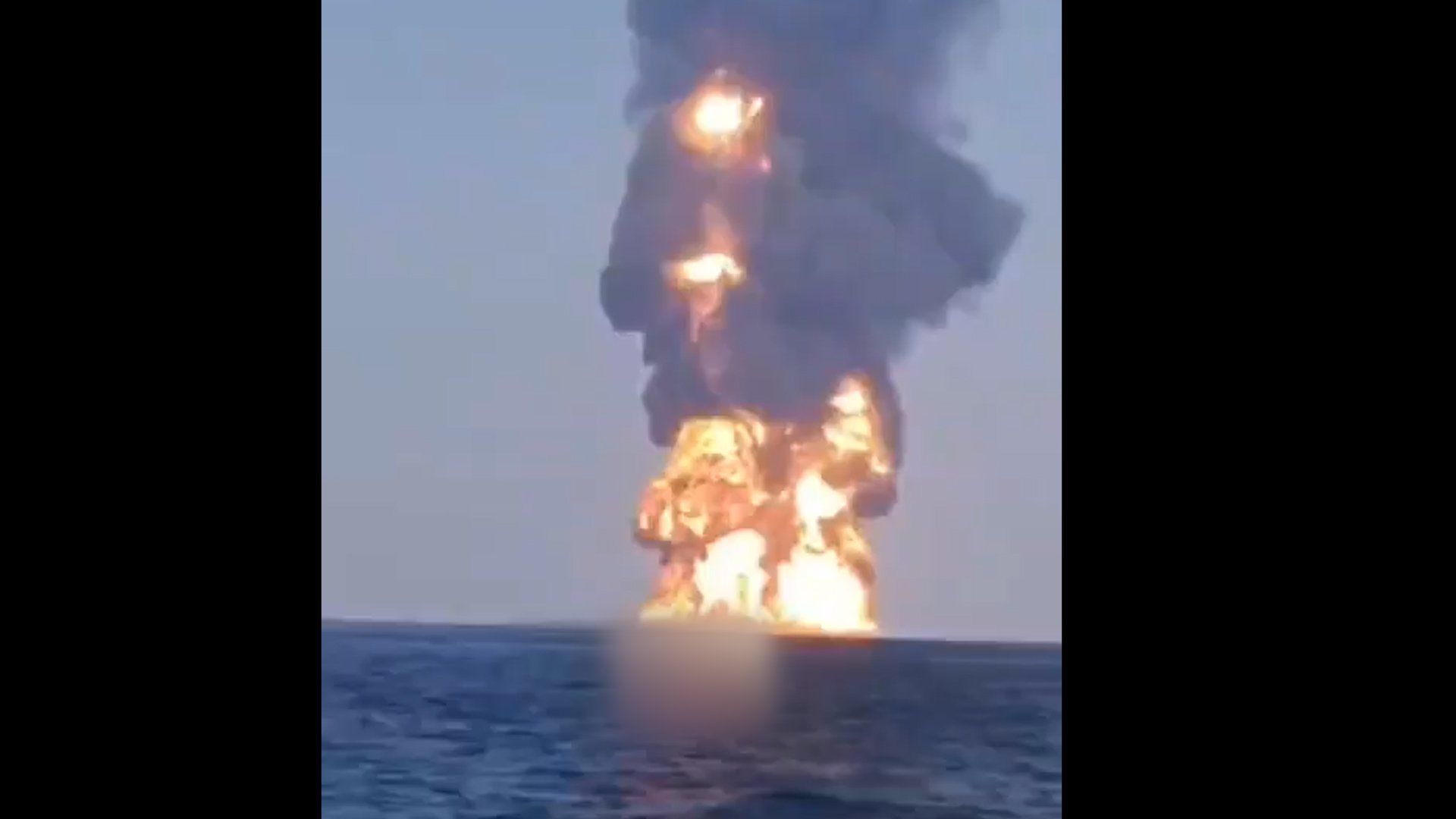
Vessels on fire after naval mine hit in Hormuz Strait, Iran says
Introduction & Key Takeaways
The global energy landscape faced a sudden, volatile escalation as reports confirmed that two commercial vessels caught fire following a naval mine strike within the volatile Hormuz Strait. This incident, confirmed by Iran’s Islamic Revolutionary Guard Corps, carries immense weight for global trade security. The Hormuz Strait remains the world’s most critical maritime chokepoint, facilitating a significant percentage of global daily crude oil consumption. This explainer examines the regional tensions and the wider economic ripples likely to follow this maritime attack.
- The Strait of Hormuz is a vital chokepoint for global oil transit.
- Naval mine strikes represent a dangerous escalation in regional maritime security.
- Energy markets typically react with extreme sensitivity to disruptions in this corridor.
- Geopolitical observers are concerned about the potential for further military posturing.
Background & Context
What just happened in the Persian Gulf is not an isolated event but a continuation of long-standing regional instability. The maritime corridor is a narrow passage linking the Persian Gulf with the Gulf of Oman. Its strategic importance cannot be overstated, as any obstruction here threatens the flow of millions of barrels of oil to international markets. Historical precedent, such as the Tanker War of the 1980s, reminds us that the region has frequently been a theater for naval attrition. This latest strike involving a supertanker carrying two million barrels of crude underscores the persistent danger faced by commercial shipping in areas of active geopolitical friction.
Root Cause & Deep Dive Analysis
To understand why this happened, we must look at the intersection of domestic internal pressures and international sanctions regimes currently squeezing regional powers. The use of naval mines is often characterized as asymmetric warfare, allowing smaller or non-state actors to project significant power against massive industrial assets. This incident, mirrored by previous historical events like those described in previous security assessments of the Strait, indicates that the area is becoming increasingly militarized. Analysts suggest that such acts are intended to signal strength or to draw international attention to grievances regarding trade embargos or diplomatic isolation.
Strategic Implications & Future Impact
The global economic implications of this attack are profound. Insurance premiums for vessels passing through these waters will almost certainly skyrocket, adding a hidden tax to global energy costs. Furthermore, the Hormuz Strait event forces major powers to re-evaluate their naval presence in the region. If international energy prices spike due to uncertainty, nations that are already struggling with inflationary pressures, such as those discussed in recent economic stability reports, may face even more difficult fiscal conditions. This act could also influence upcoming diplomatic negotiations, as the pressure for secure passage corridors creates a new bargaining chip between regional powers and Western coalitions.
Conclusion & What to Watch Next
As the smoke clears, the immediate priority for the international community is to ensure the safety of remaining commercial traffic and to contain any environmental disaster resulting from the fire on the tankers. Looking forward, we must watch for two primary signals: the specific attribution of the attack by international intelligence agencies and the resulting military posturing in the Gulf. Any further escalation could turn a regional maritime nuisance into a global economic crisis. Analysts and energy traders should maintain vigilance, as the security environment in the Gulf is fluid and highly reactive to further military encounters.