
Oil tankers hit sea mines in the Strait of Hormuz
Introduction & Key Takeaways
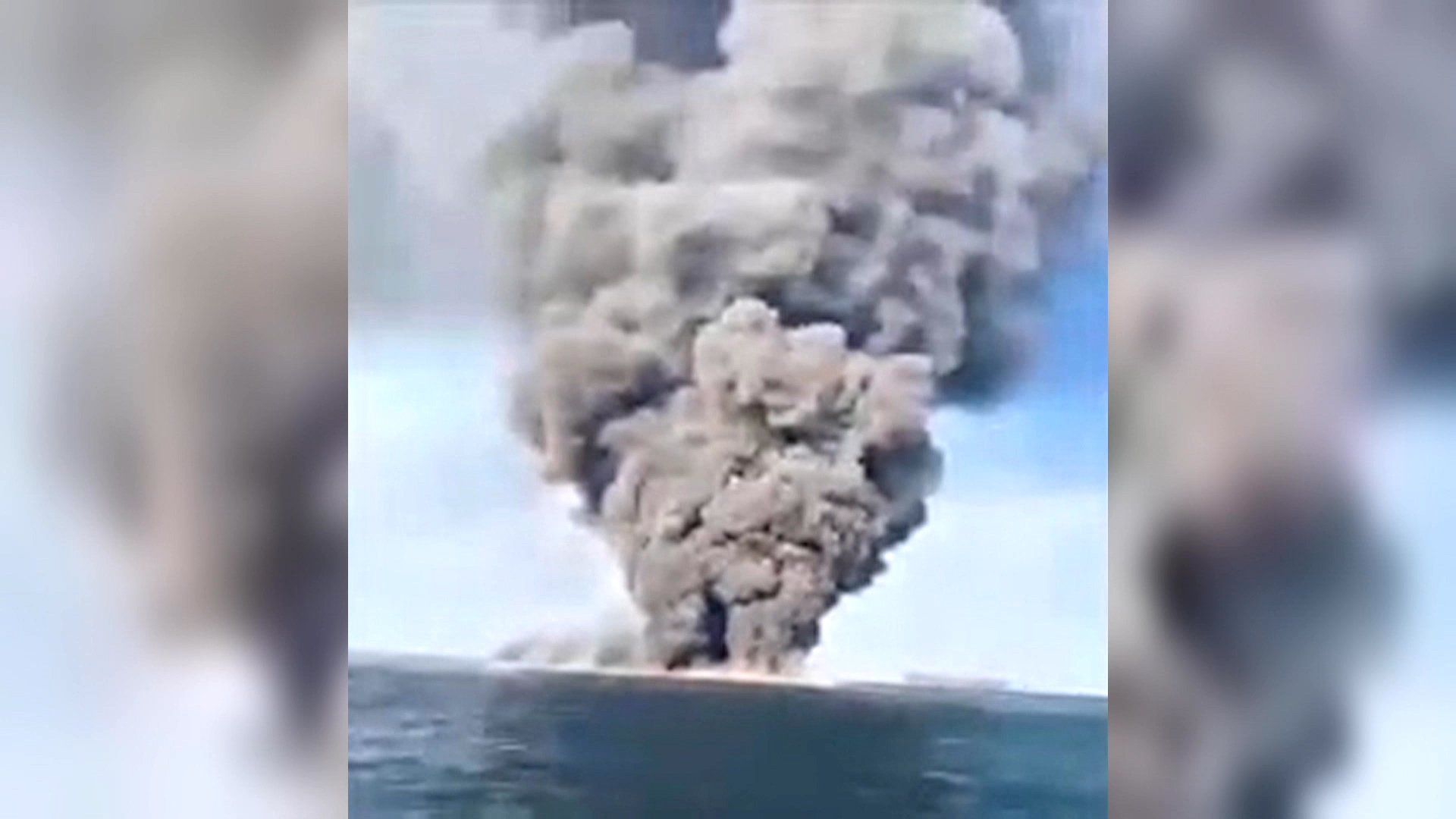
The global energy landscape faces a volatile new reality as reports confirm that multiple oil tankers have struck sea mines while navigating the Strait of Hormuz. This critical maritime chokepoint, which serves as the primary artery for petroleum exports from the Persian Gulf, is now the epicenter of a escalating security crisis. Tehran’s Islamic Revolutionary Guard Corps (IRGC) asserts that the vessels were utilizing unauthorized shipping routes, setting the stage for increased friction between regional powers and international maritime authorities.
- Multiple explosions have hit commercial oil tankers within the last week.
- The IRGC claims incidents occurred on routes deemed unauthorized by Iranian authorities.
- The Strait of Hormuz is responsible for transporting a significant percentage of global daily oil consumption.
- Rising maritime insecurity threatens to disrupt global energy supply chains and spike inflation.
Background & Context (What Just Happened?)
The Strait of Hormuz is a narrow waterway connecting the Persian Gulf with the Gulf of Oman and the Arabian Sea. It is arguably the most important oil chokepoint in the world. As noted in recent reports, the presence of sea mines creates a hazardous environment for transit. This development follows a period of heightened regional tension, often characterized by volatile maritime movements in the surrounding waters. By citing the use of unauthorized paths, Iran is asserting its strategic dominance over the maritime corridor, effectively using environmental hazards to dictate the flow of international trade.
Root Cause & Deep Dive Analysis (Why Did This Happen?)
The tactical use of sea mines acts as a force multiplier for state and non-state actors looking to project power without engaging in direct naval combat. By forcing commercial vessels to adhere to strictly controlled corridors, Iran can monitor, inspect, or potentially interdict traffic under the guise of maritime safety protocols. This strategy mirrors historical tactics where controlling the chokepoint becomes a political lever for regional negotiations. Furthermore, the global dependency on this route makes the insurance markets jittery, causing shipping companies to hesitate, which further compresses the global supply of energy resources. Much like the historical conflicts that have plagued these waters for decades, the current situation represents a deliberate attempt to challenge the status quo and the presence of Western naval assets in the region.
Strategic Implications & Future Impact (What Does This Mean Globally?)
The economic ramifications of persistent instability in the Strait of Hormuz are profound. When shipping companies perceive high risk, insurance premiums skyrocket, which ultimately translates to higher costs for consumers worldwide. If these mines continue to disrupt transit, we could see a rapid tightening of energy markets, which would likely lead to higher inflation rates in nations already struggling with economic recovery. Geopolitically, this situation risks drawing global powers into a conflict they would rather avoid, particularly as military assets are already repositioned in the Middle East. The disruption of such a vital artery threatens the stability of energy-dependent economies, forcing nations to reconsider their reliance on Gulf oil imports.
Conclusion & What to Watch Next
The coming weeks will be critical as international observers monitor whether these incidents lead to a de-escalation or a total closure of contested routes. Diplomatic channels will be pushed to their limits as nations seek to guarantee the safety of their energy supplies without igniting a larger regional war. We must keep a close eye on the response from global maritime organizations and the potential for a surge in naval patrols aimed at clearing these explosive hazards. As the situation evolves, the stability of the global energy grid remains hanging in the balance, dependent on the fragile peace of a single, narrow waterway.