
What is Trump hoping to achieve at APEC meeting in China?
Introduction & Key Takeaways
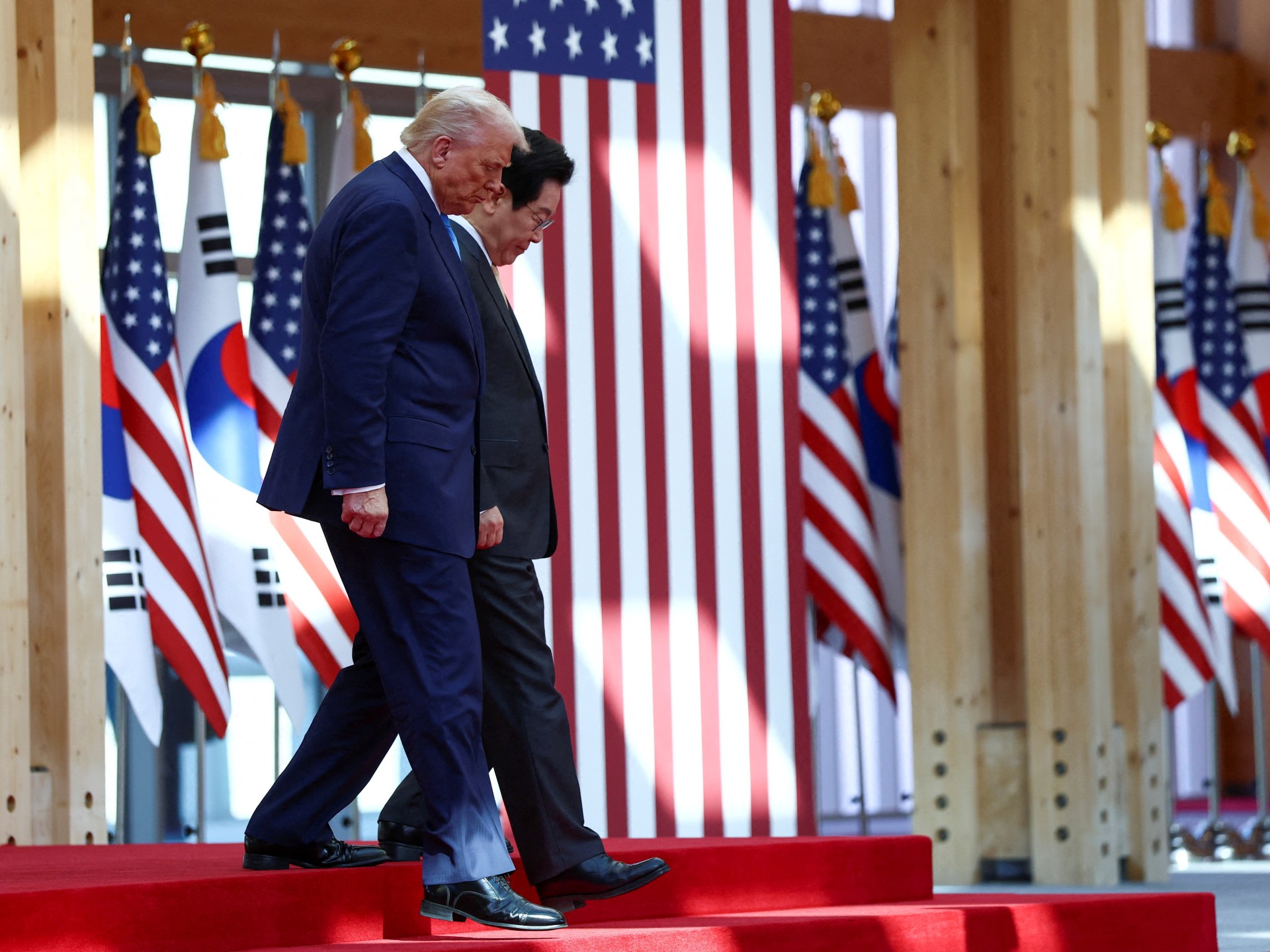
President Donald Trump prepares for the upcoming APEC summit in Shenzhen, China, marking a critical juncture in his second term. As global powers converge, the APEC meeting serves as a theater for high-stakes diplomacy, trade negotiations, and a potential trilateral summit involving President Xi Jinping and Russian President Vladimir Putin. Key takeaways include:
- The summit occurs against the backdrop of shifting legislative power in the US, with Democrats securing control of Congress.
- Artificial intelligence regulation remains a contentious point of discussion despite previous bilateral commitments.
- The shadow of the recent Nvidia leadership scandal, involving allegations of foreign espionage, threatens to complicate diplomatic discourse.
- Taiwan continues to feature as a delicate negotiating element within the broader US-China trade framework.
Background & Context
The APEC meeting represents the third time this year that the American and Chinese leaders have met to discuss the evolving geopolitical landscape. Previous engagements, held in Beijing and at the White House, functioned primarily as attempts to stabilize a volatile relationship. While the pomp and ceremony often captured media attention, tangible policy breakthroughs remained elusive. With Beijing appearing to look past the current administration, the focus shifts to how these global players manage their divergent interests in trade and technology.
Root Cause & Deep Dive Analysis
Why does this meeting hold such weight? The core of the tension lies in the structural competition between the world’s leading economies. While both nations acknowledge the need for communication regarding emerging technology, their approaches to implementation differ significantly. Washington has repeatedly signaled its refusal to install brakes on its own AI sector, creating friction with Beijing. Furthermore, the semiconductor giant at the center of the recent corporate scandal has blurred the lines between private sector influence and national security interests. When addressing systemic failures, such as those discussed in healthcare policy reforms, governments typically seek clear mandates. Here, however, the strategy appears to be a reactive, fluid approach to power projection.
The trade war, characterized by massive tariff hikes, has only begun to stabilize following truces in South Korea. Yet, the persistent gap between diplomatic pledges and actual agricultural or rare earth mineral exports highlights the difficulty of maintaining a durable economic peace. As noted in international market reports, the reliance on verbal commitments rather than binding agreements often leaves room for significant non-compliance.
Strategic Implications & Future Impact
The potential for a trilateral summit involving Putin adds an unpredictable layer to the proceedings. For the Kremlin, such a meeting acts as a mechanism to regain status on the global stage. For the United States, the strategic objective is less clear, raising concerns among allies about a potential realignment toward a closed-door arrangement that excludes smaller partners. If the APEC gathering results in a formalization of a power triad, it could signal a definitive end to the post-Cold War era of global governance. As the administration faces an emboldened opposition in Congress, the president must balance his desire for personal diplomacy with the domestic demand for a tougher stance on foreign influence.
Conclusion & What to Watch Next
As the APEC meeting unfolds, observers should monitor whether the dialogue on Taiwan moves beyond transactional rhetoric. The internal pressure on the administration to address the recent tech scandals could dictate the tone of the conversations. Ultimately, whether this summit creates a pathway for long-term stability or merely serves as a brief pause in a larger conflict will depend on the willingness of these leaders to prioritize concrete results over symbolic gestures.