
When Gods Take To The Streets: Why Thousands Gather For Kerala’s Kalpathi Ratholsavam
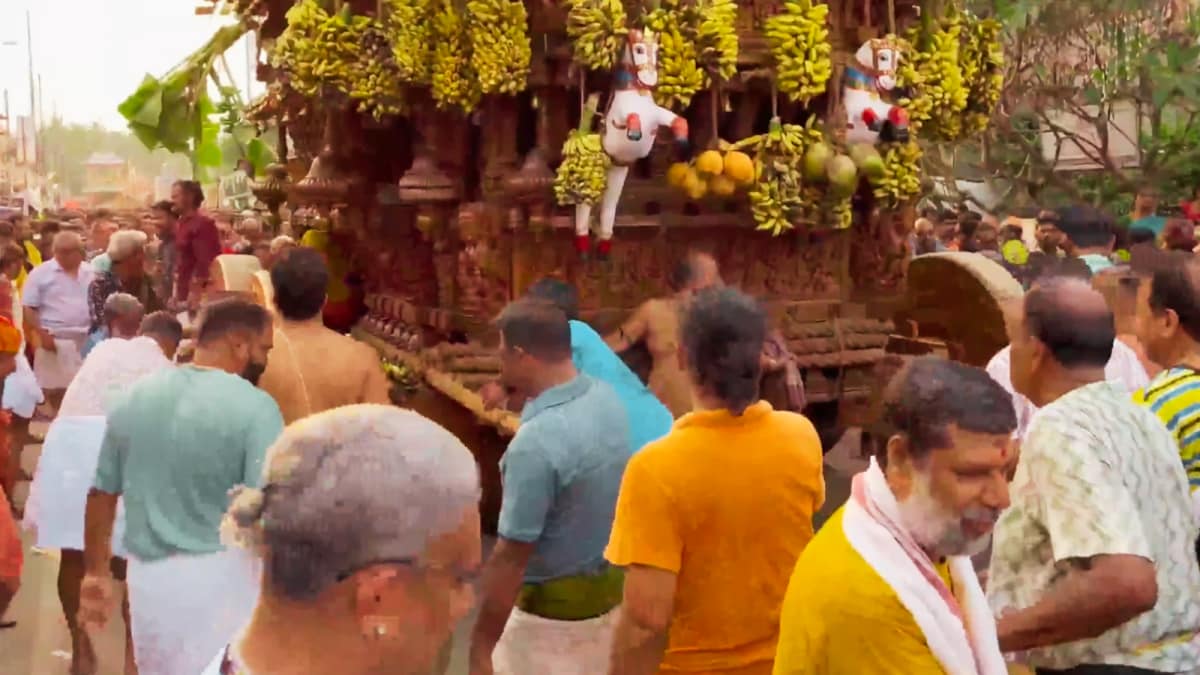
The annual Kalpathi Ratholsavam has once again transformed the historic streets of Palakkad into a vibrant center of devotion, music, and cultural confluence. As thousands of pilgrims and tourists converged on the village, the air resonated with the rhythmic chants and traditional music that define one of South India’s most significant religious festivals. This deep dive examines the historical roots, communal significance, and the architectural heritage that makes this event a cornerstone of Kerala’s spiritual calendar.
Understanding the Significance of Kalpathi Ratholsavam
At its heart, this festival is more than a mere religious procession. It is an eleven-day celebration revolving around the Sree Viswanatha Swamy Temple, a structure boasting over seven centuries of history. The central highlight, known as Devaratha Sangamam, represents the ceremonial meeting of towering, ornate temple chariots. This event serves as a living museum of ancient Vedic practices, where thousands of volunteers labor together to pull these massive wooden structures through the narrow, historic lanes of the local agraharams.
For those interested in how local infrastructure impacts regional celebrations, it is worth noting that modernization often complicates traditional logistics, much like how rising infrastructure costs affect travel accessibility globally. In Kalpathi, however, the preservation of ancestral customs remains the primary objective for the community.
Roots of the Agraharam Heritage
The festival is inextricably linked to the geography of the agraharams. These traditional settlements, established by families migrating from Thanjavur, represent a distinct architectural and social model. These streets are designed to prioritize proximity to the temple and communal living. By maintaining these row-house layouts, the residents preserve an architectural legacy that dates back centuries. The migration of these families from Tamil Nadu brought with them a profound influence on Carnatic music and Vedic scholarship, which remains a core element of the local cultural identity today.
The festival incorporates complex rituals, including Unchavrithi and the performance of Tyagaraja’s Pancharatna Kritis. These practices are not mere performances but are integral to the theological framework of the festival. Observers can find further context on the historical development of such cultural intersections via official cultural documentation.
Strategic Implications and Future Preservation
As we look to the future, the challenge for Kalpathi lies in balancing the massive influx of tourists with the preservation of its fragile heritage. The event acts as a significant driver for regional tourism, yet it requires careful management of its agraharam environment. The long-term sustainability of the festival depends on the younger generation’s engagement with these traditional arts and the maintenance of the historic chariots. The ritualistic conclusion of the festival, known as the Aarattu and the lowering of the temple flag, provides a moment of reflection before the community returns to its daily rhythms, awaiting the next cycle of the calendar.
Ultimately, the Kalpathi Ratholsavam functions as a vital anchor for collective identity in Kerala. It fosters social cohesion, bridges the gap between generations through shared participation, and serves as a testament to the resilience of ancient traditions in an increasingly digital and globalized world.
What to Watch Next
Looking ahead, observers should monitor how local authorities manage the delicate balance between promoting this festival as a global cultural destination and protecting the sanctity of the residential streets. The ongoing documentation of Vedic recitations and the restoration of the wooden chariots will remain key indicators of the festival’s longevity. As technology continues to change how we experience public gatherings, the enduring, physical nature of pulling the chariot by rope remains a powerful, grounded tradition that defines the spirit of Palakkad.