The FIFA World Cup 2026 has been nothing short of a spectacle, a swirling vortex of athletic brilliance and heartbreaking near misses. As the group stage crescendo reaches its peak, the global football community holds its breath, laser-focused on determining which titans will triumph and advance into the highly anticipated World Cup knockouts. The expanded tournament format means the Round of 32, a fresh addition to the knockout landscape, is rapidly filling up, promising an unprecedented level of drama.
Currently, an astounding 28 teams have bravely secured their berths in this unforgiving phase, leaving a mere four remaining slots to be fiercely contested. But how exactly do teams navigate this complex path? What are the precise rules and criteria that dictate passage or elimination from this quadrennial footballing extravaganza?
Understanding the World Cup Knockouts Format
The architecture of the 2026 FIFA World Cup knockout phase introduces several crucial elements. The top two teams from each of the 12 groups automatically progress. Additionally, the eight best third-placed finishers from across all groups also earn a lifeline, demonstrating the strategic depth required to succeed. This expansion, a direct consequence of the tournament swelling from 32 to 48 participating nations, ushers in the brand-new Round of 32, commencing June 28 and concluding July 3.
Following this initial hurdle, the competition sharpens into the familiar Round of 16, escalating through the Quarterfinals and Semifinals. A playoff will determine the third-place finisher before the grand finale on July 19, crowning the world champion.
Tie-Breaker Criteria: A Game of Finesse
In a significant shift, FIFA has implemented a new tie-breaker protocol for teams level on points within their groups. For the first time, head-to-head records now supersede traditional goal difference as the primary determinant. According to FIFA’s official tournament rules, should two or more teams be inseparable on points, the following order of criteria will apply:
- Greatest number of points gained in group matches.
- Superior goal difference in head-to-head group matches.
- Greatest number of goals scored in head-to-head group matches.
If the deadlock persists, subsequent measures include overall group goal difference, total goals scored, and a “team conduct score” based on cards received. In the improbable event of a continued tie, the most recent FIFA World Rankings will ultimately separate the contenders.
The Titans Who’ve Earned Their Place in the World Cup Knockouts
As of June 27, 06:00 GMT, the list of qualifiers reads like a ‘who’s who’ of footballing prowess and surprising upsets. Mexico, the co-hosts, blazed a trail, becoming the first to secure their spot, followed swiftly by the USA. Germany, eager to erase recent tournament disappointments, powerfully booked their passage. Lionel Messi-led Argentina, alongside pre-tournament favorites France and a resurgent Norway, all confirmed their places with stellar performances.
Colombia, Switzerland, and Canada have also punched their tickets, showcasing remarkable resilience. Bosnia and Herzegovina, through sheer grit, emerged as one of the best third-placed teams. Perennial giants Brazil and North African powerhouses Morocco are through, as are South Africa, making history with their first-ever knockout appearance. Ecuador and Ivory Coast also defied expectations. The Netherlands, Japan, and Sweden advanced from a tightly contested Group F, while Australia and Paraguay secured their spots from Group D.
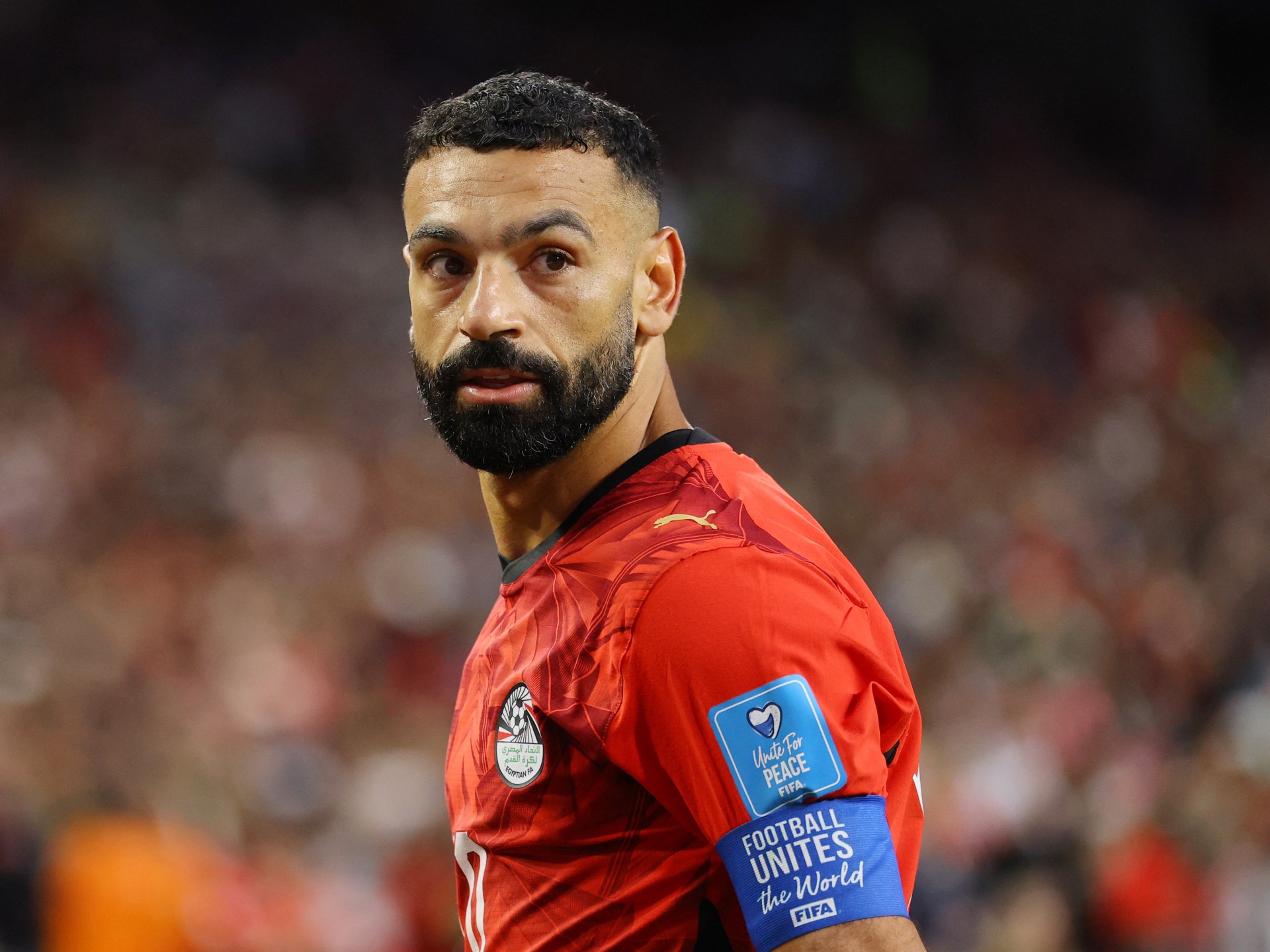
Belgium and Egypt, both from Group G, will continue their campaigns, with Egypt making a historic first foray into the knockout rounds. Spain and tournament debutants Cape Verde, enjoying a fairytale run, clinched their spots from Group H. Senegal, Portugal, England, and Ghana round out the current list of World Cup knockouts participants, promising an enthralling next stage.
The Heartbreak of Early Exits
For some, the dream has unfortunately concluded. Haiti became the first team to bid farewell, followed by Turkiye, whose campaign ended prematurely after a 24-year absence from the global stage. Tunisia, despite their historic 1978 victory, once again failed to advance beyond the group phase. Debutants Jordan, along with Panama, Qatar (the 2022 hosts), and Czechia, also saw their World Cup ambitions dashed.
The minnows of Curacao, despite becoming the smallest nation ever to qualify, ultimately succumbed. New Zealand, Uruguay, Saudi Arabia, and Iraq also exited the competition, leaving behind a trail of what-ifs and reflections on their tournament journeys. The nature of the World Cup knockouts is such that for every team celebrating advancement, another faces the bitter pill of elimination.
About the Author