
‘Agreed To Remain In Close Touch’: Jaishankar Holds ‘Detailed’ Talks With Iran FM On West Asia
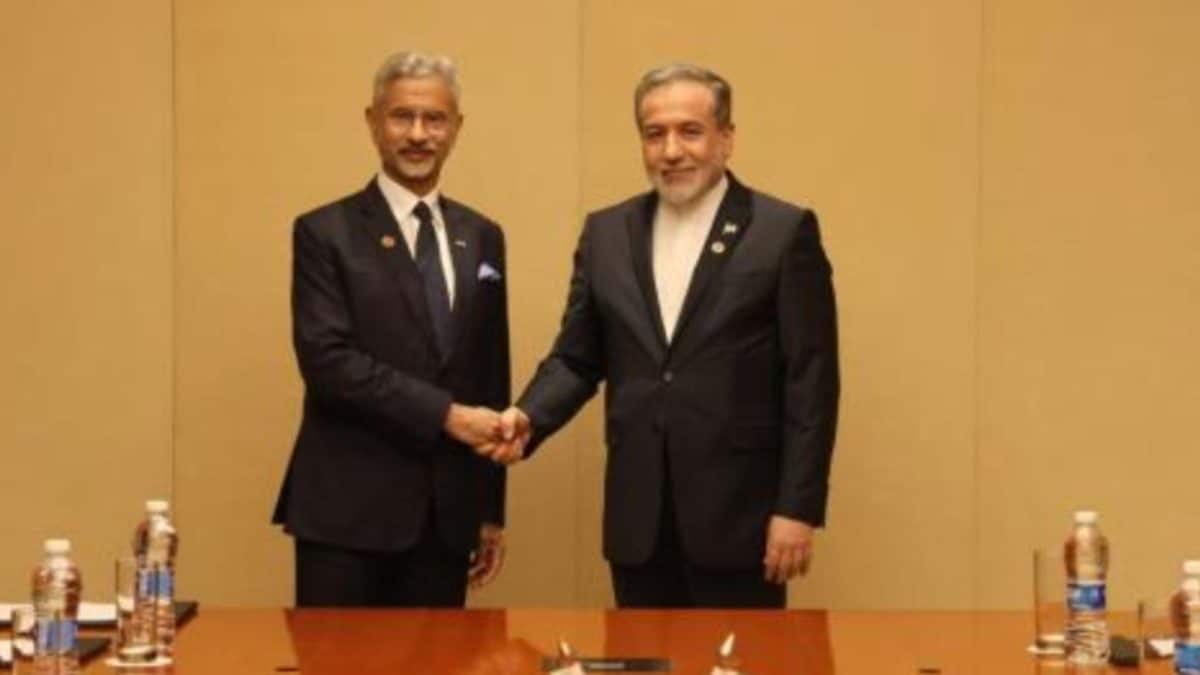
In a significant diplomatic move, India’s External Affairs Minister S Jaishankar engaged in detailed West Asia talks with his Iranian counterpart, Seyed Abbas Araghchi, on Wednesday. This high-level exchange underscores a shared commitment to regional stability amid escalating geopolitical complexities. The ministers covered a wide array of pressing issues.
The discussions, revealed by Jaishankar on X (formerly Twitter), highlighted an agreement to remain in “close touch,” signaling ongoing collaborative efforts. Their conversation touched upon the latest developments concerning a ceasefire, bilateral relations, and broader regional and international matters.
Deepening Engagement in West Asia Talks
Both diplomatic powerhouses delved into the intricacies of the ongoing regional situation. From fostering a robust ceasefire to exploring avenues for enhanced bilateral relations, every facet of engagement was meticulously examined. The Iranian Embassy in New Delhi echoed these sentiments, confirming that the phone call encompassed vital discussions on ceasefire developments, bilateral ties, and broader international concerns. Such consistent dialogue is paramount in navigating the turbulent currents of global politics.
Araghchi’s recent diplomatic odyssey, which saw him visit Pakistan, Oman, and Russia, concluded just a day prior to his conversation with Jaishankar. During his stop in Saint Petersburg, the Iranian Foreign Minister met with Russian President Vladimir Putin, where the Kremlin reiterated its support for diplomacy and regional peace, a sentiment that resonated in the recent West Asia talks. Araghchi himself expressed profound satisfaction with Russia’s solidarity and diplomatic support, acknowledging the strategic depth of their partnership amidst significant regional flux. These parallel diplomatic endeavors illustrate the multifaceted nature of current efforts to stabilize the volatile landscape.
India’s proactive role in the region is not new. Earlier in March, Prime Minister Narendra Modi engaged in discussions with Iranian President Masoud Pezeshkian, addressing the overarching security climate in the region. During that pivotal call, PM Modi unequivocally condemned attacks on critical infrastructure and stressed the fundamental importance of safeguarding freedom of navigation and ensuring the security of vital shipping lanes. This consistent stance underscores India’s dedication to maintaining maritime security and regional stability, themes central to the ongoing West Asia talks.
The imperative for dialogue and diplomacy remains India’s unwavering position. Prime Minister Modi had previously voiced significant concern over regional tensions and civilian casualties during a call with President Pezeshkian in early March, advocating for peaceful resolution through diplomatic channels. This persistent advocacy for peaceful means exemplifies India’s approach to complex international challenges, ensuring that crucial lines of communication remain open. For further insights into global diplomatic efforts, consider visiting the Council on Foreign Relations website.