
Bengaluru Battered By Violent Summer Storm: Wall Collapse Kills 7, Roads Cave In, Offices Flooded
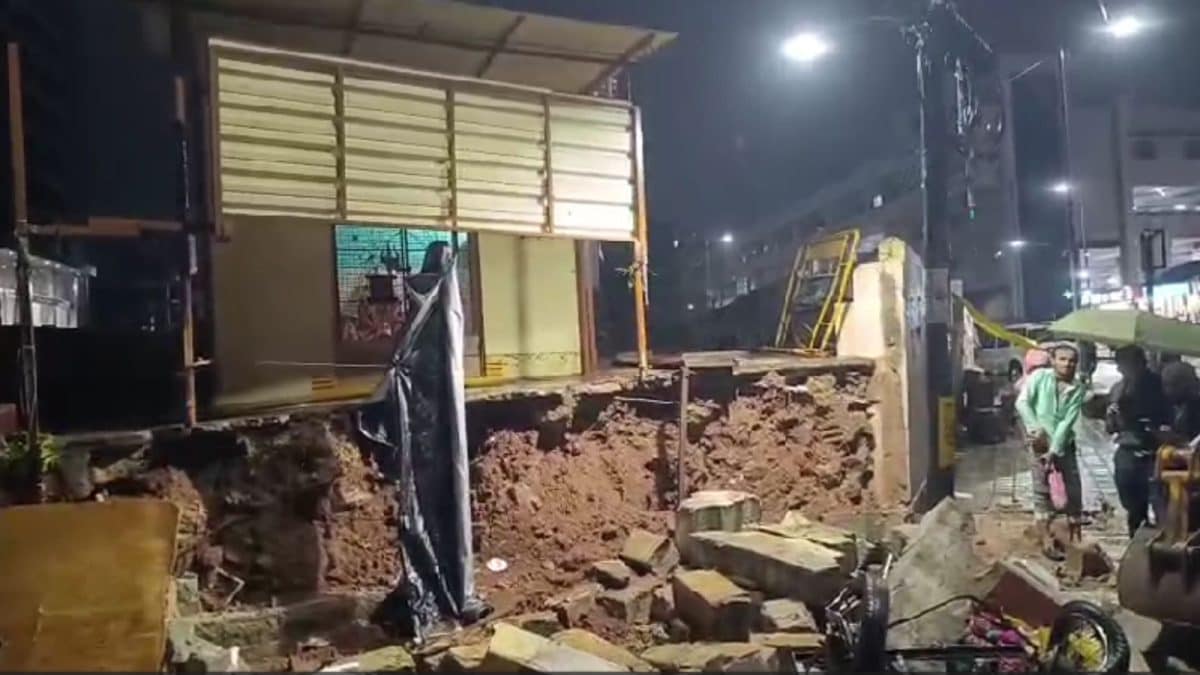
A ferocious, unseasonal deluge recently ripped through Bengaluru, unleashing chaos and tragedy across the Garden City. This unexpected Bengaluru storm, marking the city’s inaugural summer showers, left a devastating trail, claiming at least seven lives and injuring two others following the catastrophic collapse of a compound wall near Bowring Hospital. The sudden tempest, accompanied by aggressive hail and furious winds, plunged several neighborhoods into disarray, uprooting ancient trees, submerging crucial arterial roads, and profoundly disrupting the rhythm of daily existence.
The harrowing incident unfolded with terrifying speed. Nine individuals—a mix of pedestrians and resilient roadside vendors—had sought refuge beneath flimsy tarpaulin sheets near the aging compound wall, desperately attempting to escape the brutal downpour. Without warning, the formidable structure buckled, instantly crushing those gathered in its shadow. Authorities swiftly moved the deceased to the mortuary, while two injured victims continue to receive urgent medical attention. Karnataka Chief Minister Siddaramaiah, informed immediately, rushed to the scene alongside the Police Commissioner and other senior officials. Sources suggest the Chief Minister plans to announce ex-gratia payments for the bereaved families and has reportedly chastised officials for the glaring lapse, emphasizing the wall’s government ownership.
Aftermath of the Bengaluru Storm: City Grinds to a Halt
Deputy Chief Minister DK Shivakumar promptly cancelled his scheduled engagements in Kanakapura, making a bee-line for the disaster site upon hearing the grim news. “I am cancelling my programme and rushing to the spot,” he affirmed. “The Police Commissioner has informed me. We will extend all possible help to the affected families.” The intense downpour, while offering a fleeting respite from escalating temperatures, simultaneously unleashed widespread destruction. In HSR Layout, powerful gusts tore away entire roof sheets, sending corrugated tin soaring perilously through the air. Countless trees across various localities were uprooted with alarming force. Jayanagar witnessed a massive tree topple onto parked vehicles, obliterating several two-wheelers and severely damaging a bus.
Pervasive waterlogging plagued numerous low-lying districts; the Basavanagudi underpass, for instance, vanished entirely beneath a deluge of water following the intense cloudburst. Even the majestic Vidhana Soudha, a symbol of state power, was not spared; rainwater infiltrated multiple government offices, including the Leader of the Opposition’s chamber in the Legislative Council. Harried officials were observed frantically bailing out water, as vital files, essential computers, and furniture suffered significant damage. This Bengaluru storm truly tested the city’s infrastructure.
Further compounding the city’s woes, a section of Lavelle Road dramatically caved in after the relentless rain, reigniting serious questions about ongoing pipeline projects in the vicinity. Meanwhile, a prominent local bookstore faced catastrophic losses, with floodwaters inundating its premises. Estimates suggest a staggering 4,000 to 5,000 books may have been irrevocably ruined due to the overwhelming waterlogging. Such incidents underscore the broader challenges faced by urban centers during extreme weather events. For insights into global urban resilience strategies, consider exploring resources on sustainable cities and communities.
The tragedy swiftly ignited a political firestorm. BJP state president BY Vijayendra wasted no time in attributing blame to the incumbent Congress government for the disastrous wall collapse. In a pointed statement, he asserted the calamity was a direct consequence of neglected maintenance of the aged structure, questioning the state’s fundamental preparedness for the looming monsoon season. He vociferously demanded governmental accountability, comprehensive treatment for the injured, and substantial compensation for the families of the deceased, while simultaneously urging an immediate city-wide inspection and repair of all dilapidated structures.
This sudden, destructive Bengaluru storm has, yet again, starkly revealed the city’s profound vulnerability to torrential rainfall. It forcefully brings to the forefront critical concerns regarding infrastructure integrity, drainage system readiness, and the diligent upkeep of its aging public edifices as Karnataka’s capital inexorably marches towards the full intensity of the monsoon.