
Iran steps up Hormuz surveillance: Attacks soar, oil flows crash again
Introduction & Key Takeaways
The global energy landscape faces renewed volatility as the Strait of Hormuz conflict intensifies. Recent military escalations have triggered a spike in attacks against commercial vessels, disrupting critical supply chains and rattling international oil markets. As Tehran bolsters its maritime surveillance, the struggle for control over this vital chokepoint has reached a fever pitch, creating an unpredictable environment for global shipping.
- Iran has expanded its naval presence in the Sea of Oman, aiming to tighten its grip on maritime traffic.
- The surge in attacks has led to a dramatic reduction in oil transit volumes, reversing gains made throughout September.
- US-led efforts to escort tankers are being directly challenged by Iranian asymmetric tactics, including the use of small-boat spotters.
- Geopolitical tensions are increasingly being leveraged to influence internal political outcomes in the United States.
Background & Context (What Just Happened?)
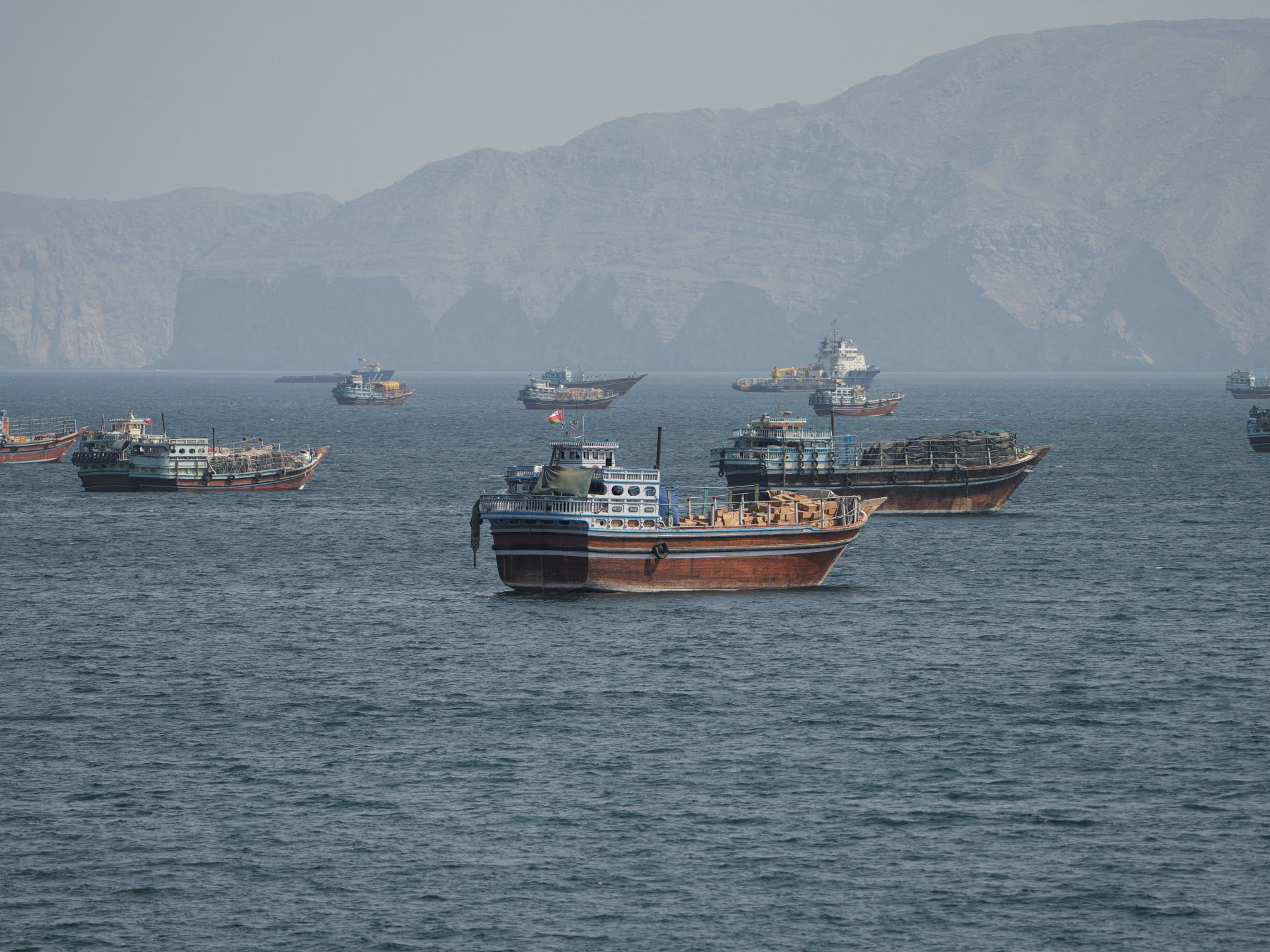
Since the onset of the US-Israel war on Iran in late February, the Strait of Hormuz has evolved into a theater of tactical attrition. Before the hostilities, this narrow passage was responsible for roughly 20 percent of the world’s total crude and liquid natural gas supplies. When Iran effectively moved to close the waterway, it created an immediate energy crisis. While a September recovery saw flows return to near 81 percent of pre-war levels, the current trend is once again downward. As detailed in reports regarding regional stability and energy infrastructure, modern conflict zones often suffer from the fragility of interconnected supply lines.
Root Cause & Deep Dive Analysis (Why Did This Happen?)
The root of this escalation lies in the divergence of strategic objectives between Washington and Tehran. The United States has been facilitating a maritime security corridor to support Gulf energy exports, while Iran views this as a breach of its national security interests. By deploying new units and employing disparate offensive tactics, such as the use of small, unarmed dhows for target identification, Iran is forcing the US military into a reactive posture. This change in warfare is designed to mitigate the effects of diminished radar capabilities while simultaneously applying economic pressure that reflects broader dissatisfaction with current sanction regimes.
Strategic Implications & Future Impact (What Does This Mean Globally?)
The Strait of Hormuz conflict is not merely a regional dispute; it is a barometer for global economic health. As oil prices hover near critical thresholds, the inability to guarantee safe passage places enormous strain on the budgets of energy-importing nations. Analysts suggest that the timing of these attacks is calculated to intersect with the United States midterm elections. If the current trajectory of ship strikes persists, insurance premiums will likely continue to soar, further inflating the cost of energy for consumers globally. Furthermore, the reliance on high-risk shuttle systems suggests that traditional, predictable maritime commerce has been replaced by a system characterized by high premiums and constant military supervision.
Conclusion & What to Watch Next
The situation remains fluid. While the US maintains that it and its regional partners effectively manage the strait, the numbers from maritime tracking firms tell a more precarious story. Observers should monitor whether the Trump administration seeks diplomatic channels, such as those provided by regional interlocutors like Qatar or Pakistan, to de-escalate the tension. Without a substantive breakthrough in negotiations, the Strait of Hormuz will continue to serve as a volatile flashpoint where global economic stability remains hostage to localized military maneuvering.