
Russian strikes leave 600,000 without power in Ukraine, as Starlink restrictions affect front line
Introduction & Key Takeaways
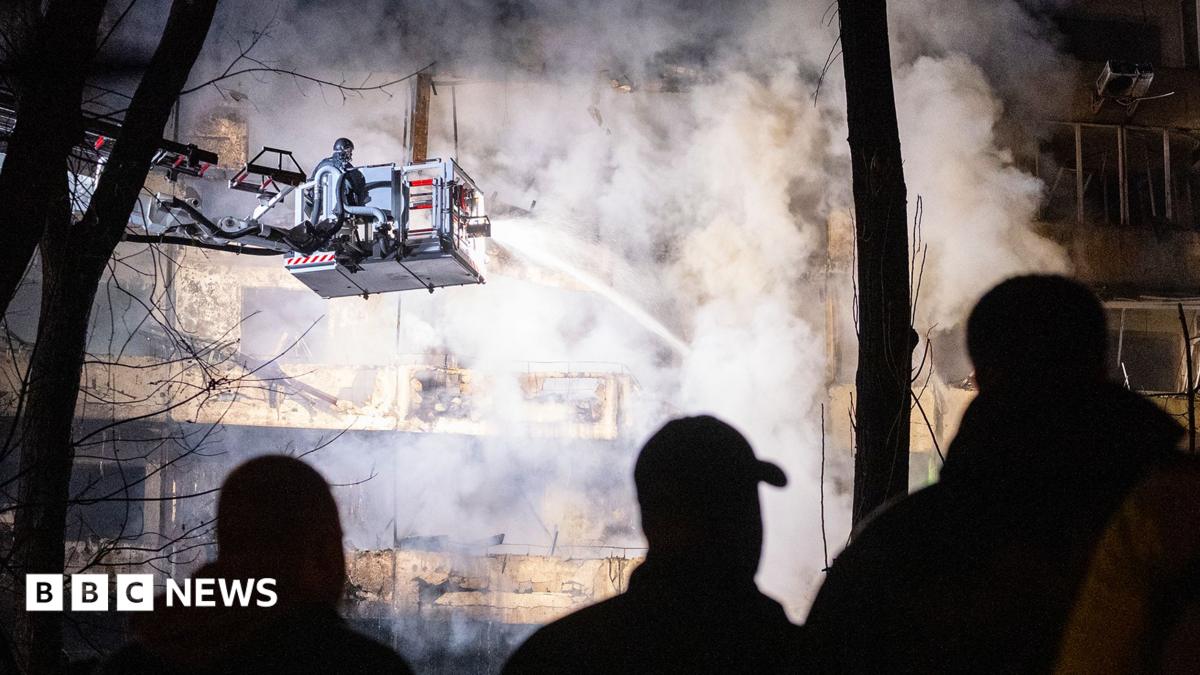
The fragile geopolitical landscape of the ongoing conflict took a dramatic turn this week as Russian missile and drone strikes left approximately 600,000 citizens in Ukraine without power. This escalation arrives in the shadow of a purported energy ceasefire, a diplomatic claim made by US President Donald Trump that has faced immediate, violent contradiction on the ground. As infrastructure crumbles under renewed bombardment, the strategic utility of the Starlink satellite network has also come under intense scrutiny, with reports indicating unexplained speed restrictions impacting critical battlefield operations. Key takeaways from this evolving crisis include:
- Over 600,000 residents across Kyiv and Kharkiv are facing severe electricity outages following intensive Russian air campaigns.
- The proclaimed energy ceasefire appears functionally nonexistent, as Russian strikes continue to target vital energy grid nodes.
- Ukrainian military officials report that new speed limitations on Starlink terminals are significantly hindering logistics and drone-based defensive missions.
- Tensions are mounting as leadership in Kyiv prepares to lobby for intensified air defense support during upcoming diplomatic engagements.
Background & Context
The concept of an energy ceasefire was introduced by President Trump to potentially stabilize the grid infrastructure essential for civilian survival. However, reality has proven far more volatile. While both sides have engaged in rhetoric regarding a truce, the strategic reality suggests that energy facilities remain primary military objectives. This is not the first time infrastructure has been weaponized, but the timing is particularly acute as winter approaches, heightening the humanitarian stakes for millions. The situation echoes broader patterns of conflict where essential services become hostages to military brinkmanship, a topic explored further in historical perspectives on social and political movements.
Root Cause & Deep Dive Analysis
Why did this latest wave of violence occur despite diplomatic posturing? The answer lies in the strategic exhaustion of both combatants. Russia views the energy grid as a mechanism to pressure the Ukrainian state into submission, while simultaneously dismissing the ceasefire as a deceptive window that would merely allow Western allies to replenish Kyiv’s arsenal. The technical dimension of this struggle is equally complex. The sudden imposition of speed limits on Starlink terminals, specifically at the 160 km/h threshold, has disrupted the coordination of unmanned systems. This technical interference, whether intentional or a byproduct of network management, has forced a recalibration of military logistics. Analysts often note that satellite communication resilience is the backbone of modern asymmetric warfare.
Strategic Implications & Future Impact
The failure of the energy ceasefire carries profound implications for global security. If diplomatic assurances from major powers like the United States are ignored or easily circumvented by state actors, the prospect for a negotiated peace dims significantly. For Ukraine, the reliance on foreign-owned infrastructure like Starlink creates a vulnerability, as the network’s performance is subject to the corporate and political discretion of its operators. Furthermore, the persistent nature of these strikes suggests that Russia is intent on breaking the morale of the populace before the colder months set in, potentially creating a new wave of displacement.
Conclusion & What to Watch Next
As the conflict enters this high-stakes phase, the international community must monitor several critical vectors. First, observe the upcoming meetings between President Zelensky and Western leaders to see if concrete air defense commitments materialize. Second, keep a close watch on the Starlink operational reports. Any persistent or expanding interference with these systems would signal a shift in how private technology companies engage in sovereign conflicts. Finally, the silence from Moscow regarding the ceasefire’s breakdown confirms that the war remains focused on attrition rather than immediate de-escalation.