
Trump expands red snapper fishing as critics warn of overfishing
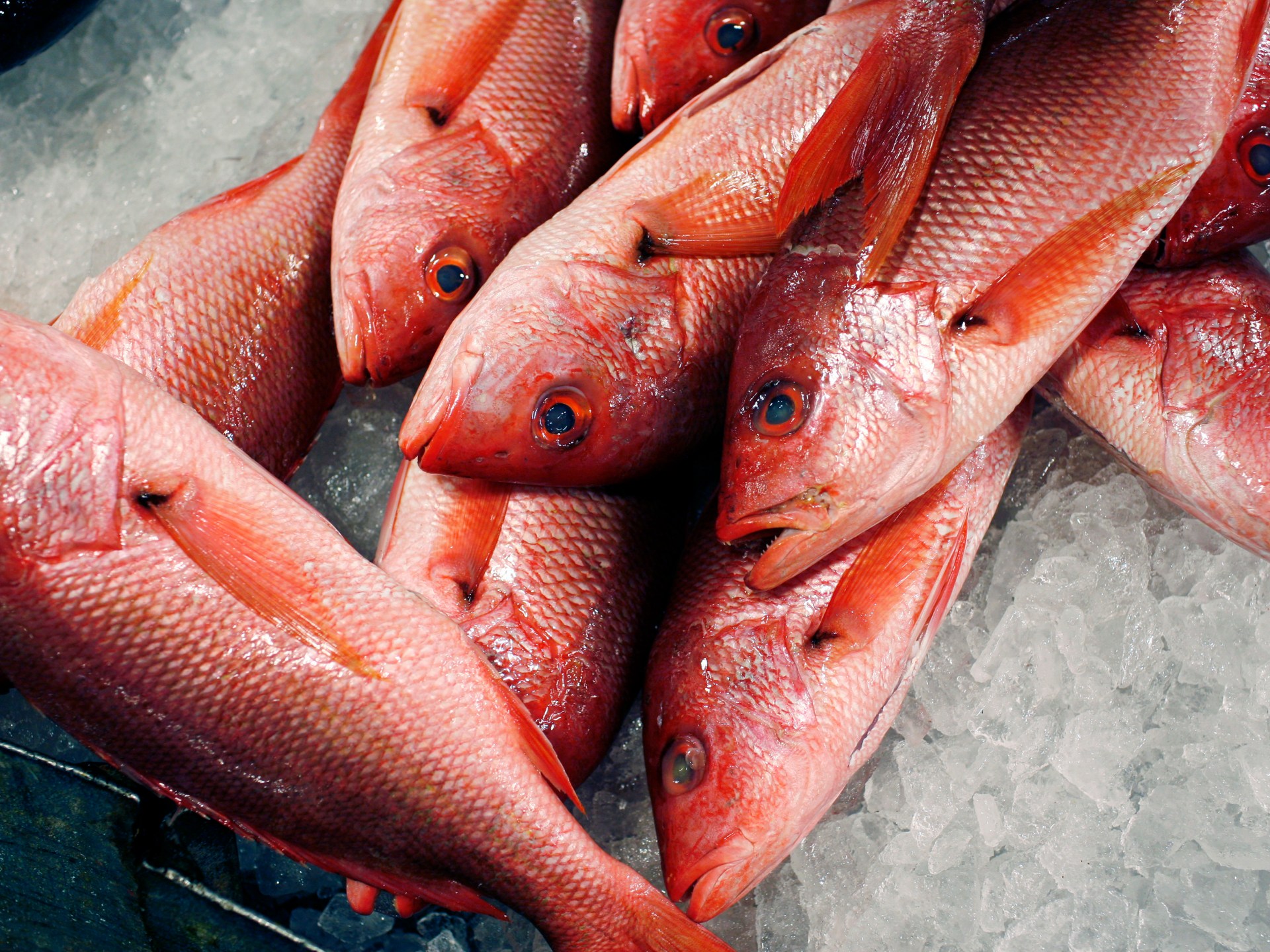
In a move that has both elated recreational anglers and ignited fierce debate among conservationists, former US President Donald Trump announced the approval of all state permits for the 2026 recreational red snapper fishing season. This decision, lauded as a “huge win” by Trump, significantly expands access for fishermen across Florida, Georgia, South Carolina, and North Carolina, yet critics vociferously warn of dire overfishing risks.
A Bid for State Control and Expanded Access
For years, federal oversight has tightly reined in red snapper fishing in the South Atlantic, often reducing seasons to mere days. This strict control stemmed from the population’s precipitous decline in the late 1990s and early 2000s, necessitating stringent conservation efforts. However, southeastern states have long advocated for greater autonomy, arguing for flexibility to reflect what they perceive as a recovering fish stock. Supporters, like Florida Governor Ron DeSantis, champion state management, citing the success seen in the Gulf of Mexico and asserting that power should reside closer to the communities involved.
Deepening Concerns Over Red Snapper Fishing Sustainability
While the expansion promises longer seasons, potentially extending to months, conservation groups are sounding alarm bells. The Ocean Conservancy, a leading US-based nonprofit, points to concerning trends in the Gulf of Mexico, where a similar state-managed approach has been implemented. Reports suggest a worrying decline in the average size of fish, with anglers reporting the need to venture further afield for a “keeper.” Marine scientists express profound worry that loosening federal safeguards could trigger rampant overfishing, especially if states lack consistent monitoring and enforcement. “These exempted fishing permits are an end run around sustainable management,” stated Meredith Moore of Ocean Conservancy, adding that NOAA’s own analysis last year indicated a two-day season was necessary to prevent overfishing. The stark contrast with proposed months-long seasons raises questions about the long-term viability of the beloved red snapper fishing experience.
The ramifications extend beyond immediate stock levels. JP Brooker, Florida conservation director for Ocean Conservancy, starkly articulated the trade-off: “Overfishing means sacrificing the chance to teach the next generation to fish in order to fill coolers this season.” Troubling estimates from the group underscore these fears. Federal regulators set the South Atlantic recreational catch limit at 22,797 fish for the entire year. Yet, a recent two-day season in Florida alone hauled in 24,885 fish. The potential for a 39-day season could see catches skyrocket to 485,000 fish—more than twenty times the annual limit, a figure that would undeniably breach federal law. This delicate balance between recreational enjoyment and preserving marine ecosystems for future generations lies at the heart of this contentious decision. For more information on federal fisheries management, visit the National Oceanic and Atmospheric Administration (NOAA) website.