
US to cut troop levels in Germany by 5,000 amid Trump spat with Merz
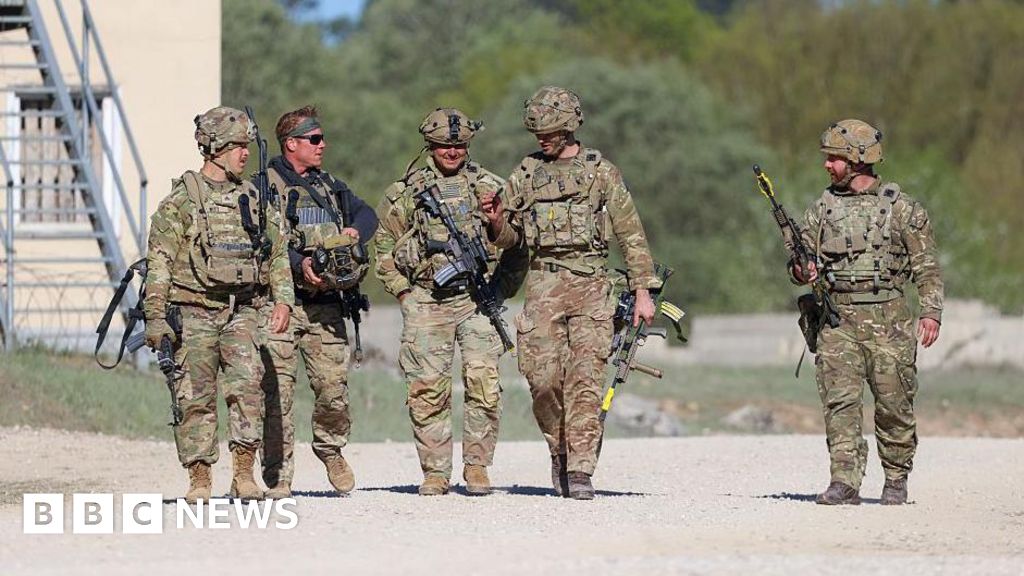
A seismic shift in trans-Atlantic defense strategy is unfolding as the United States Department of Defense unveils plans to withdraw a significant contingent of 5,000 troops from German soil. This impactful decision, poised to dramatically alter US troop levels in Europe, emerges from a chasm of escalating rhetoric between US President Donald Trump and German Chancellor Friedrich Merz, particularly concerning the convoluted diplomatic dance with Iran.
The announcement arrived mere hours after President Trump publicly excoriated Merz, who had dared to suggest that American negotiators had been “humiliated” by their Iranian counterparts. In a flurry of social media posts, Trump lambasted Merz, declaring him “doing a terrible job” and beset by “problems of all kinds,” specifically citing issues with immigration and energy policy. Such criticisms are hardly new, with Trump previously musing about reducing America’s military footprint in Italy and Spain as well.
Controversy Ignites Over US Troop Levels in Europe
Germany, a cornerstone of NATO’s European presence, currently hosts a robust contingent of over 36,000 active-duty US personnel, a formidable deployment as of last December. This latest directive, confirmed by Pentagon spokesman Sean Parnell, originated directly from Secretary of Defense Pete Hegseth.
“This decision follows a thorough review of the Department’s force posture in Europe,” Parnell articulated in an official statement, “and is in recognition of theater requirements and conditions on the ground.” He further projected the withdrawal’s completion within the next six to twelve months. This reduction in US troop levels marks a pivotal moment, signaling a potential recalibration of Washington’s commitment to its long-standing European allies.
Trump, a vocal critic of the NATO alliance for years, has frequently expressed frustration with member states he perceives as shirking their responsibilities, particularly their reluctance to participate in operations aimed at securing the Strait of Hormuz. When pressed on the possibility of extending these troop reductions to other NATO allies like Italy and Spain, his response was characteristic: “I probably will – look, why shouldn’t I?” He bluntly labeled Italy unhelpful and Spain “horrible” in their approach to the Iranian situation, noting their collective refrain: “I don’t want to get involved.”
Chancellor Merz, speaking to university students just days prior, castigated the US approach to Iran, stating, “the Americans clearly have no strategy.” He voiced profound skepticism regarding any discernible “strategic exit” from the current impasse, observing Iran’s shrewd negotiation tactics – or rather, their adeptness at not negotiating, leaving American delegations fruitless after arduous travels. He expressed concern that the “entire nation” was being “humiliated.”
Trump’s riposte on his Truth Social platform was swift and scathing. He accused Merz of believing it was “OK for Iran to have a Nuclear Weapon” and dismissed his comments as uniformed, concluding with a barbed remark: “No wonder Germany is doing so poorly, both Economically, and otherwise!”
While the German embassy in Washington has yet to offer public comment, the implications of these proposed cuts resonate deeply. The US troop levels in Germany represent its largest military presence in Europe, dwarfing deployments in Italy (approximately 12,000) and the UK (10,000). Many of these forces are strategically positioned at Ramstein Air Base, a vital hub near Kaiserslautern.
It’s crucial to remember that similar proposals for reducing US forces in Germany surfaced during Trump’s previous administration, notably in 2020. That plan, which involved relocating 12,000 troops to other European nations or back to the US, was ultimately blocked by Congress and later reversed by President Joe Biden. At the time, Trump’s grievances stemmed from Germany’s military spending, which lagged below NATO’s 2% GDP target. However, under the Merz government, this narrative has dramatically shifted. Germany is projected to allocate a staggering €105.8bn (£91bn) to defense by 2027, with total expenditure next year expected to reach an impressive 3.1% of GDP, showcasing a renewed commitment to the alliance’s strategic considerations.
Last year, a similar move saw the US reduce its troop presence in Romania, aligning with Trump’s broader strategy to pivot military focus from Europe towards the Indo-Pacific. Romania’s defense minister confirmed the decision came after Secretary Hegseth urged greater self-reliance. This pattern, however, has not been without its critics, drawing disapproval from fellow Republicans in Congress and raising concerns among Eastern European nations vigilant of Russian expansionism.