
Lakshadweep Tourist Numbers Soar After PM Modi’s Appeal, Maldives Sees Sharp Dip In Indian Visitors
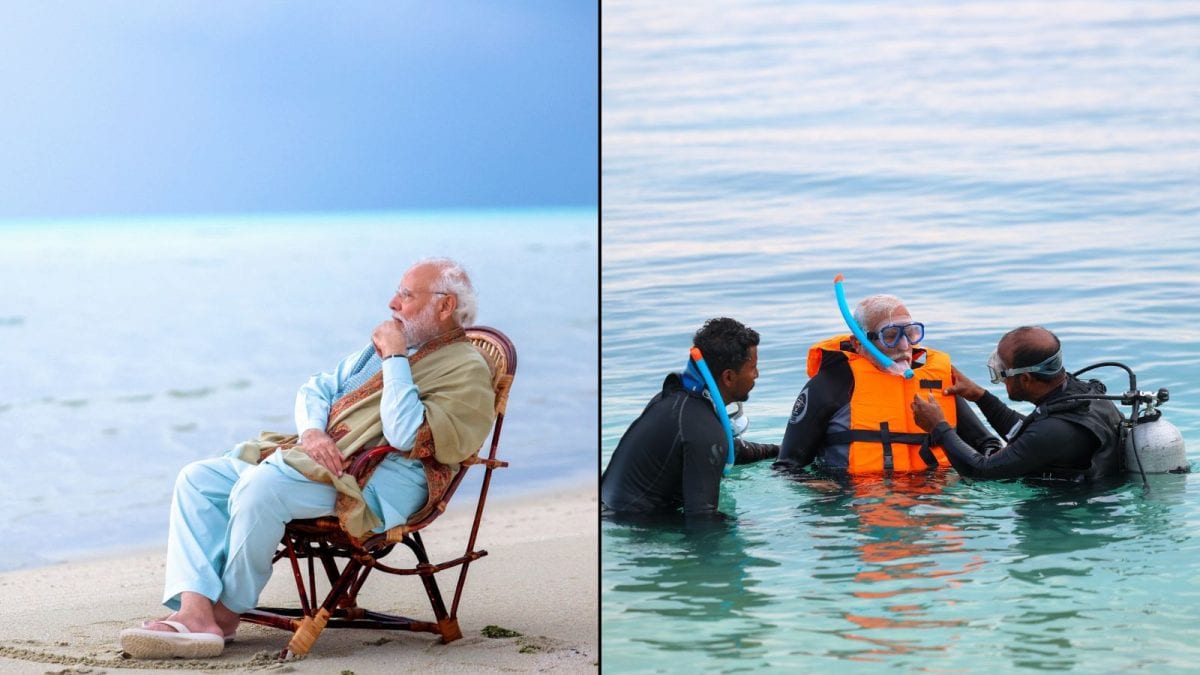
A seismic shift has reshaped regional travel landscapes, propelling Lakshadweep tourism into an unprecedented spotlight. Following a January 2024 diplomatic incident between India and the Maldives, the serene Indian archipelago has witnessed a staggering surge in visitors, while conversely, the idyllic Maldivian islands have experienced a precipitous decline in Indian arrivals. This pivot underscores a significant recalibration of travel preferences and nationalistic sentiment.
The controversy ignited when Prime Minister Narendra Modi, during a visit to Lakshadweep, lauded its “stunning beauty” and the “incredible warmth of its people” across social media platform X. His evocative photographs swiftly went viral, sparking a nationwide conversation about promoting indigenous travel destinations. This online fervor escalated dramatically after certain Maldivian ministers made disparaging remarks regarding India’s capacity to rival the Maldives in beach tourism. The ensuing diplomatic backlash prompted widespread calls across India to champion domestic locales and, notably, to reconsider trips to the Maldives.
The Unprecedented Surge in Lakshadweep Tourism
The ripple effect of this geopolitical tension soon materialized in tangible statistics. An RTI response, as revealed by India Today, illustrates a remarkable growth trajectory for Lakshadweep. Tourist footfall leaped from a modest 3,875 in 2020 to an astounding 68,328 in 2024. This dramatic increase highlights not just a newfound interest in the islands but also the powerful influence of national appeals in shaping consumer behavior.
In stark contrast, the Maldives, long a favored destination for Indian holidaymakers, observed a steep reversal of fortunes. India, which proudly held the position of top source market for Maldivian tourism in both 2022 and 2023, alarmingly plummeted to the sixth spot in 2024. The data shows India’s share in Maldivian tourism shrinking from 11.1 percent to a mere 6.4 percent, with total Indian arrivals dwindling to 130,328 during the year. This represents a significant economic blow to the island nation, which heavily relies on its tourism sector.
Beyond this immediate diplomatic fallout, the Prime Minister has consistently advocated for citizens to explore the vast diversity within India, particularly in light of global supply chain disruptions and geopolitical crises in regions like West Asia. This broader appeal to avoid foreign travel for a year and discover the incredible wonders within the country further bolsters the prospects for domestic travel, including the burgeoning Lakshadweep tourism sector. Indeed, a growing number of Indians are now actively seeking out pristine, local alternatives for their getaways, demonstrating a burgeoning patriotism in their travel choices. For more on the diverse destinations India offers, you might want to visit official tourism portals.