In a diplomatic maneuver fraught with high tension, crucial US-Iran talks have commenced in Switzerland. This pivotal moment unfolds despite a provocative declaration from Tehran: its military asserts it has once again sealed off the strategically vital Strait of Hormuz, citing Israel’s relentless attacks on southern Lebanon.
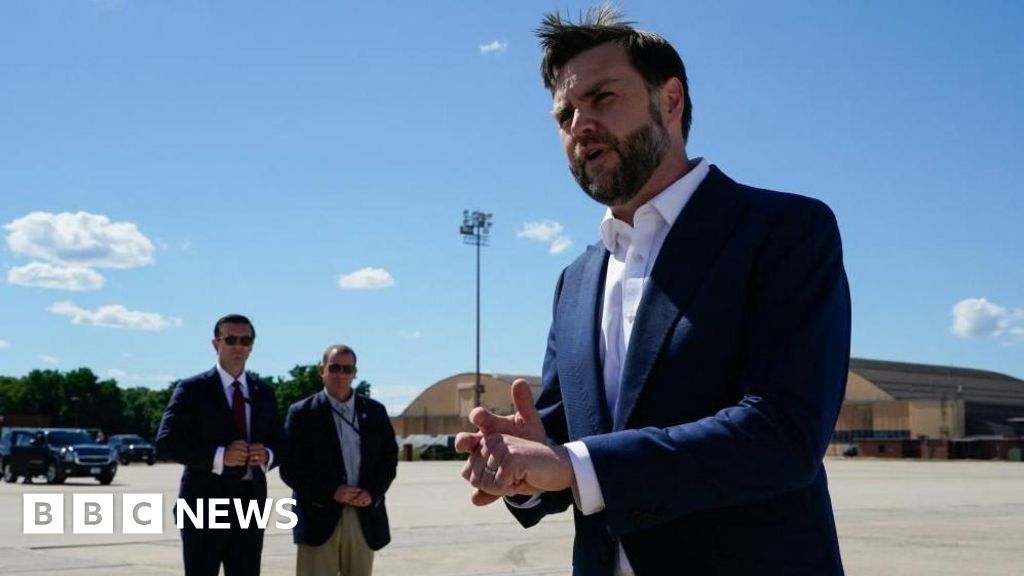
The delicate negotiations began early Sunday with the arrival of US Vice-President JD Vance. He seeks to navigate a complex geopolitical landscape, aiming for substantial progress on the contentious “nuclear issue” and, crucially, the “Lebanon ceasefire issue.” An Iranian delegation, led by parliamentary speaker Mohammad Bagher Ghalibaf and Foreign Minister Abbas Araghchi, had arrived Saturday, signaling their commitment, albeit with a firm posture, as their foreign ministry spokesman Esmail Baghaei emphasized Iran would be “demanding that the other side fulfil its commitments.”
The Strait of Hormuz: A Flashpoint Amidst US-Iran Talks
Tehran’s dramatic pronouncement regarding the Strait of Hormuz – a critical chokepoint for global oil shipments – has added a layer of profound uncertainty to the Swiss proceedings. Iran justified its actions by accusing the US of breaching their existing agreement to end the broader conflict. However, the American military swiftly countered this assertion. US Central Command (Centcom) spokesperson Tim Hawkins robustly stated that “traffic continues to flow,” adding that US forces were meticulously “monitoring the situation to ensure this remains the case.” He underscored a fundamental reality: “Iran does not control the Strait of Hormuz.”
Indeed, Centcom reported a staggering 55 merchant ships traversed the strait on Saturday, carrying over 17 million barrels of oil destined for international markets. Tracking data corroborated by independent observers suggested ongoing transit, though some vessels reportedly performed U-turns. The Strait, deep enough for the planet’s largest crude oil tankers, is an indispensable conduit for major Middle Eastern oil and liquefied natural gas producers. It handles an estimated 20 million barrels of oil and products daily, representing a colossal $600 billion in annual energy trade.
Pakistan has emerged as a key facilitator in these intricate dialogues. Its Prime Minister Shehbaz Sharif and Field Marshal Asim Munir joined US and Iranian officials. The Pakistani Ministry of Foreign Affairs reaffirmed its unwavering support, stating it “will continue to support the implementation of the understandings between Iran and the United States.” Pakistan’s consistent efforts in previous diplomatic efforts underscore its commitment to regional stability.
The backdrop to these high-stakes negotiations is further complicated by the brutal, ongoing clashes between Israel and Hezbollah, the Iran-backed militia operating from southern Lebanon. Just days prior, an initial US-Iranian agreement to immediately cease hostilities, including in Lebanon, was inked. Yet, Saturday saw at least 47 fatalities in Lebanon following a barrage of Israeli air strikes. The Israel Defense Forces (IDF) claimed it targeted 80 Hezbollah-linked sites, eliminating “dozens” of its members, while also reporting four of its own soldiers killed. Despite an immediate ceasefire between Israel and Hezbollah confirmed on Friday, the persistent violence threatens to derail the broader peace initiatives. The intricate dance of diplomacy, often overshadowed by regional flare-ups, means that progress in these high-stakes US-Iran talks is paramount.
Vance, prior to his flight, expressed a cautiously optimistic view on the situation in Lebanon, noting, “Things are actually getting better there, and things are slowing down a little bit.” He articulated the overarching goal: to continuously manage the situation to ensure the safety and security of both Israel and Lebanon, thereby fostering a “safe and secure” region. However, Hezbollah has accused Israeli actions in Lebanon of attempting to “sabotage” the wider US-Iran deal, a sentiment echoed by the US government’s own criticism of Israel’s ongoing operations.
The international community watches with bated breath as these delicate US-Iran talks unfold. The convergence of a disputed strait closure, persistent regional conflict, and the weighty agenda of nuclear proliferation and ceasefire compliance renders this round of diplomacy exceptionally critical.
About the Author