A roar, jubilant and unexpected, echoes from countless living rooms and community centers across the United Kingdom and beyond. The 2026 Cape Verde World Cup journey has ignited an extraordinary flame of national pride, captivating millions as the tiny island nation defies every expectation.
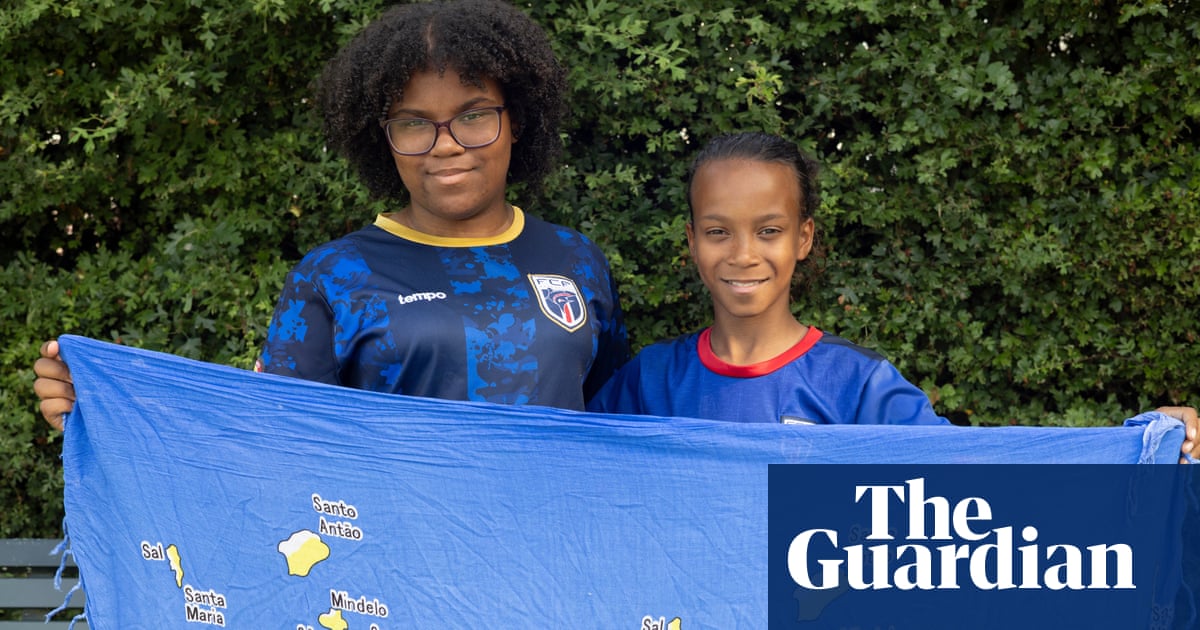
For thirteen-year-old Lauryn, whose childhood was marked by the elusive presence of her homeland on world maps, this moment is nothing short of a dream. “Seeing our country shown across the world at the World Cup makes me feel incredibly proud,” she shares, her voice brimming with emotion. “After the first match, everyone was talking about Cape Verde. People saw the talent and the skill of our players.” It’s a testament to the power of sport, etching a once-overlooked archipelago onto the global stage.
Known affectionately as Cabo Verde by its diaspora, this African nation, comprising ten islands, is making an absolutely historic debut at the World Cup. They have splendidly held their own against some of football’s titans, sending shockwaves through the tournament. Imagine, a country of just over 500,000 souls, roughly 370 miles off mainland Africa, now standing tall amongst footballing giants.
A Historic Run for Cape Verde World Cup Newcomers
The pre-tournament whispers were dismissive, predicting a mere 1% chance of victory for the islanders against formidable opponents like Spain. Lauryn, a published author at a tender age, recalls scrolling through social media before their opening clash. “There were lots of posts… saying Cape Verde only had a 1% chance of winning. But after everyone saw our goalkeeper’s performance, everything changed.” Indeed, goalkeeper Vozinha’s heroics quickly became legendary, cementing the team’s resilience.
That initial 1% forecast swiftly transformed into a powerful rallying cry for the thousands strong Cape Verdean diaspora in Britain. “Our slogan in the Cape Verdean community became: ‘They gave us 1% chance, but we had 99% faith,’” Lauryn explains, embodying the collective spirit. The Blue Sharks stunned Spain with a resolute 0-0 draw. Their subsequent encounter against Uruguay, described by Annabella Lopes of the Cape Verdean Association UK as a “constant heart attack,” culminated in a nail-biting 2-2 tie. This electrifying Cape Verde World Cup campaign continues to thrill.
Now, as fan-favorite underdogs, they brace for their final group stage match against Saudi Arabia. A victory would secure an astonishing spot in the knockouts; a draw offers a fighting chance to advance as one of the best third-placed teams. Lauryn’s younger brother, 10-year-old Joylen, a burgeoning talent in Chelsea’s academy, feels profoundly inspired. “I think we can definitely go very far. I knew people shouldn’t underestimate us because if we can draw against Spain and Uruguay, imagine what we can do against other teams.” His personal ambition, too, has been sharpened: “It makes me want to reach my highest level.”
Annabella Lopes powerfully asserts that the team’s on-pitch success reflects the intrinsic “resilience and strength of our people.” She adds a crucial universal message: “The fact that you are small, and the fact that people don’t know you, doesn’t mean you can’t achieve great things.” The focus, she emphasizes, transcends mere victory or defeat. “The important thing is to take part. Cape Verde is taking part, Cape Verde is competing, Cape Verde is achieving, and Cape Verde is making history.” For more on global football developments, stay tuned to official sources.
Much of the recent adoration has rightly converged on veteran goalkeeper Vozinha, whose Instagram following exploded from hundreds of thousands to nearly 10 million in just two games. Nancy Rodrigues, a 38-year-old NHS physiotherapist who once treated him in Angola, marvels at his rise. “He definitely deserves all the attention he’s getting now. It’s amazing because everyone knows Cape Verde through him. That feels incredible.”
Elisangela, an accountant known as Elly, 36, confirms the electrifying effect on the global diaspora. “We have never experienced a moment like this before. Everyone is excited. People are calling each other, checking in and asking how they’re feeling and how they’re living through this moment with their families and friends.”
Lauryn and Joylen’s mother, Cristina, harbors a larger hope: that this footballing triumph will spark wider interest in the diverse cultural landscape of her homeland. “We are creative people. There is so much talent, not only in football but also in music, literature and the arts.” She expresses profound pride in the values exemplified by the team, highlighting manager Bubista’s tradition of presenting a gift to opposing coaches. “That’s part of who we are. We come as warriors on the pitch, but we honour and respect one another,” she says, her voice resonating with pride. “I think that’s what people are seeing. They’re not seeing arrogance. They’re seeing humility, unity and men crying because they care so much. It’s beautiful.” This unforgettable Cape Verde World Cup story is far from over.
About the Author