
Why FIFA’s Balogun red card suspension after Trump call is so controversial
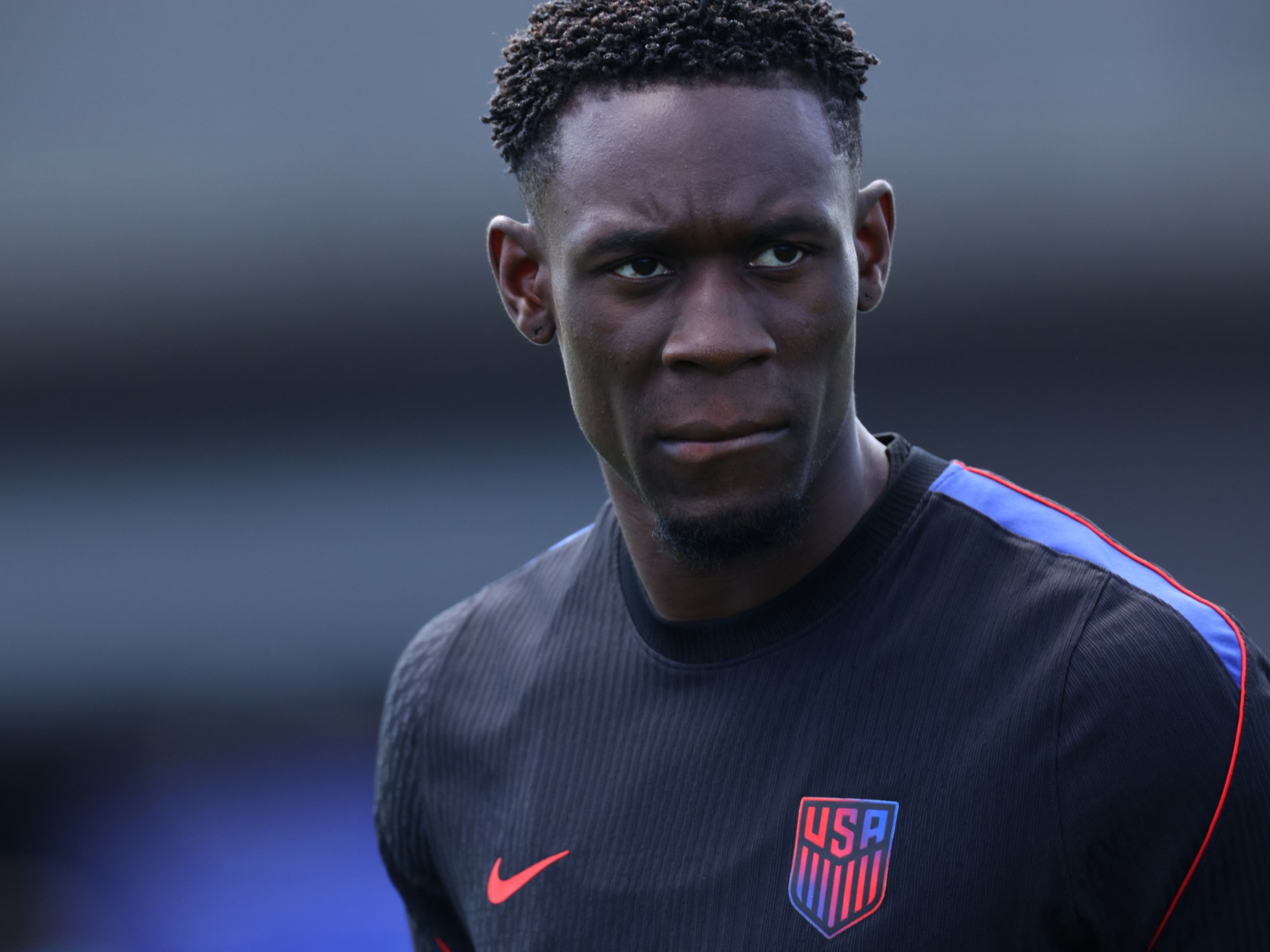
The football world finds itself reeling from an extraordinary turn of events at the World Cup. Star player Folarin Balogun, initially handed a red card during a crucial Round of 32 clash, has been controversially cleared to play in Monday’s last-16 match against Belgium. This unprecedented decision by FIFA, following a personal appeal from US President Donald Trump to FIFA President Gianni Infantino, has ignited a furious debate surrounding the integrity of the tournament and the very rules of the game. The contentious Balogun red card reversal has sparked outrage across the globe.
Why the Balogun Red Card Sparked Outrage
Balogun, the United States’ leading scorer with three goals this World Cup, received his marching orders during Wednesday’s 2-0 victory over Bosnia and Herzegovina. The incident involved him awkwardly stepping on Tarik Muharemovic’s right ankle, a foul that, after a Video Assistant Referee (VAR) review, resulted in an automatic one-game suspension. While US coach Mauricio Pochettino vehemently argued it was never a red card offense, and Balogun himself felt a yellow would have been fairer, the initial ruling stood.
Then came the bombshell. President Trump, according to an Associated Press report citing an anonymous source, directly intervened, urging FIFA to review the case. In a move that has baffled many, FIFA invoked Article 27 of its disciplinary committee rules, which allows for the full or partial suspension of a disciplinary measure subject to a probationary period. This rarely used clause effectively lifted Balogun’s ban, allowing him to feature in the crucial knockout game.
Historical Precedent or Uncharted Territory?
Has such a dramatic intervention ever occurred? The annals of World Cup history show only one prior instance of a red card not leading to an immediate suspension, dating back to Brazil’s Garrincha in 1962. However, the rules surrounding red cards were vastly different then, with a disciplinary panel rather than automatic bans. More recently, Portugal’s Cristiano Ronaldo received a reprieve for opening World Cup matches from a prior ban, but this was a suspension of remaining games, not a direct overturning of a tournament red card. Contrast this with Qatar midfielder Assim Madibo, who received a five-match ban for a group stage tackle. The unique circumstances surrounding this Balogun red card decision truly place it in a league of its own.
Global Backlash and Damaged Integrity
The fallout has been swift and severe. The Royal Belgian Football Association (RBFA) expressed its “astonishment” and vowed to investigate “all potential options” to protect fair play. Belgium coach Rudi Garcia sarcastically likened the decision to an “April Fools’ Day” joke. Europe’s top football body, UEFA, released a blistering statement, calling FIFA’s action “unprecedented, incomprehensible and unjustifiable,” declaring it had “crossed a red line.”
Even former FIFA chief Sepp Blatter, who led football’s international governing body from 1998 to 2015, weighed in with sharp criticism on X, stating, “Red cards are not overturned by political phone calls. They are overturned by rules, evidence and independent bodies.” Coaches like Norway’s Stale Solbakken branded it a “bad, bad, bad decision” that would “hurt the World Cup,” while England’s Thomas Tuchel questioned the precedent it set for challenging future disciplinary actions.
Trump’s Direct Role Ignites Controversy
The narrative of political influence deepened with President Trump’s public statement: “Thank you to FIFA for doing what was right, and reversing a great injustice!” US coach Mauricio Pochettino applauded the move, emphasizing the perceived injustice of playing with ten men for 30 minutes against Bosnia-Herzegovina. Pochettino, drawing on his Argentine and European roots, described football as “more than religion,” suggesting the sport’s power transcends typical boundaries. However, the direct line from a head of state to football’s highest authority has fundamentally challenged established norms and raised serious questions about transparency and impartiality in global sports governance. The reverberations from the Balogun red card saga are far from over.