
Nigeria says army has killed 300 bandits in north-western state of Zamfara
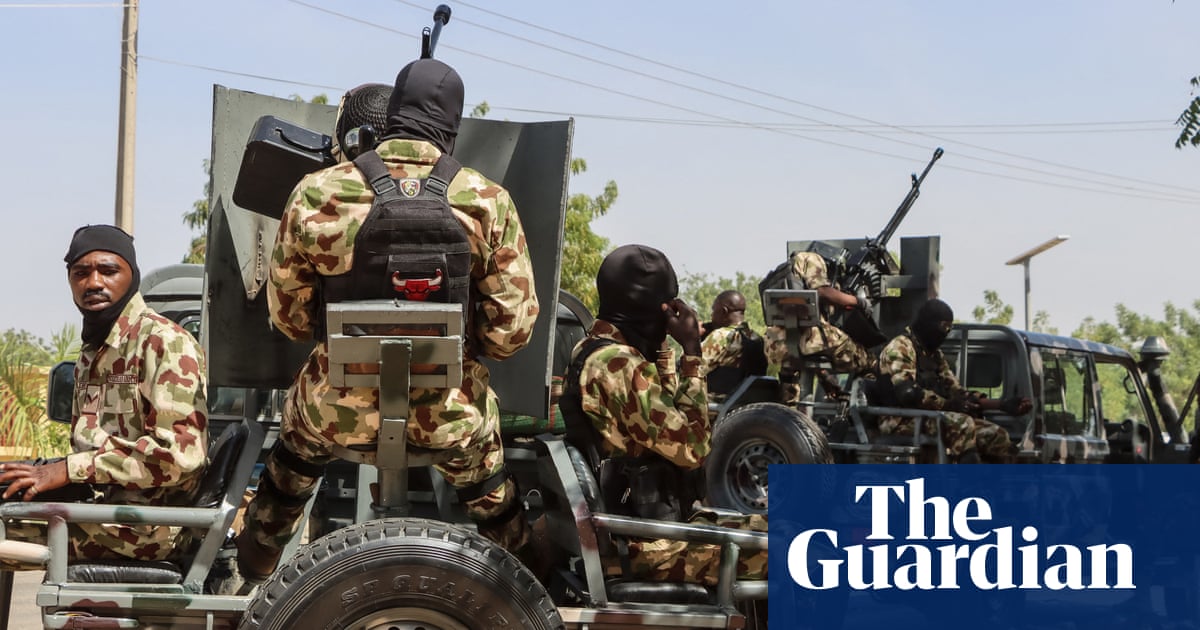
In a dramatic display of force, Nigerian troops, bolstered by local vigilantes, have reportedly neutralised over 300 dreaded Zamfara bandits in a swift, two-day operation. This significant victory, confirmed by Zamfara’s information commissioner, marks a crucial turning point in the relentless fight against criminality plaguing the nation’s north-western region.
The intense campaign, concentrated in the Gummi district, saw government forces clash fiercely with these nefarious gangs. Mahmud Muhammad Dantawasa, the state’s information commissioner, revealed that the targeted assault led to the “elimination of more than 300 terrorists.” Residents of Gummi painted a vivid picture of the confrontation, recounting a battle that raged through the night and into the following morning after approximately 1,000 bandits had brazenly stolen livestock.
Crushing the Zamfara Bandits: A Strategic Victory
For years, communities across northern and central Nigeria have endured a reign of terror at the hands of these groups. Composed of ruthless cattle rustlers and increasingly sophisticated jihadists, these Zamfara bandits have routinely plundered farmlands, stolen animals, and orchestrated harrowing kidnappings for ransom. Beyond mere theft, these syndicates impose extortionate levies, creating a parallel economy of fear and desperation for farmers simply seeking to access their own land.
Security analysts highlight a disturbing trend: the growing cooperation between criminal gangs and jihadist elements. Their mutual interests – primarily undermining central government authority and exploiting impoverished rural areas – have fostered a dangerous alliance. While jihadists maintain a protracted insurgency in the north, widespread criminal banditry has metastasized across the country, fueled by endemic poverty and a perceived lack of state presence.
This recent operation in Gummi comes after a previous attempt by troops two weeks prior was repelled, underscoring the formidable challenge posed by these well-armed groups. However, the coordinated effort with local vigilantes proved decisive this time, offering a glimmer of hope to beleaguered communities. The Zamfara government lauded the action as a monumental breakthrough in its arduous quest to restore peace and order.
Nigeria’s security landscape remains complex, grappling with not only the scourge of Zamfara bandits but also the deeply entrenched Islamist insurgencies of Boko Haram and the Islamic State West Africa Province (ISWAP). The nation has engaged in critical partnerships, notably with the United States, which has deployed troops to assist counter-terrorism efforts. A joint US-Nigeria operation in May successfully eliminated a high-ranking Islamic State figure and scores of fighters in the north-east. Crucial questions remain regarding long-term solutions, particularly the effectiveness of local peacemaking efforts in mitigating the violence.
The humanitarian cost of this pervasive lawlessness is staggering. Mass kidnappings, particularly of schoolchildren, have become a chilling tactic employed by both jihadists and bandits to extort payments and exert influence. Just recently, the army reported casualties during the rescue of over 40 kidnapped children in the south-west, a region traditionally considered safer, sending shockwaves across the nation. Addressing the root causes of this widespread insecurity, including poverty, remains an urgent imperative for lasting stability and progress across the nation.