A cascade of relentless rainfall has unleashed devastating West Africa floods, claiming at least 59 lives in Côte d’Ivoire since May and a further 13 in neighboring Ghana. The region is grappling with an increasingly lethal rainy season, with authorities expressing grave concerns that the death toll could surge as rescue operations continue amidst the ongoing deluge.
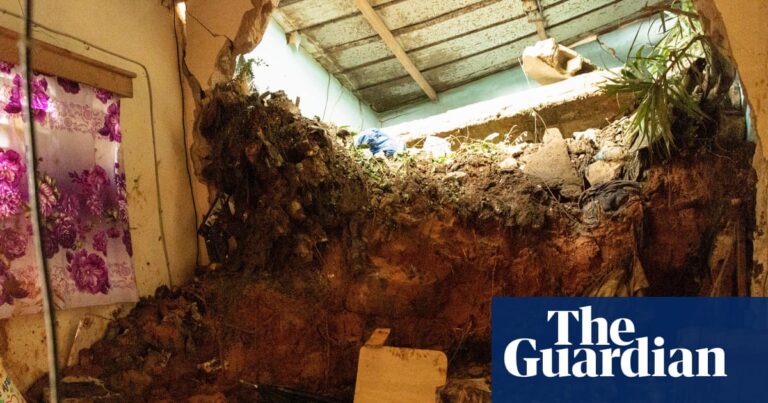
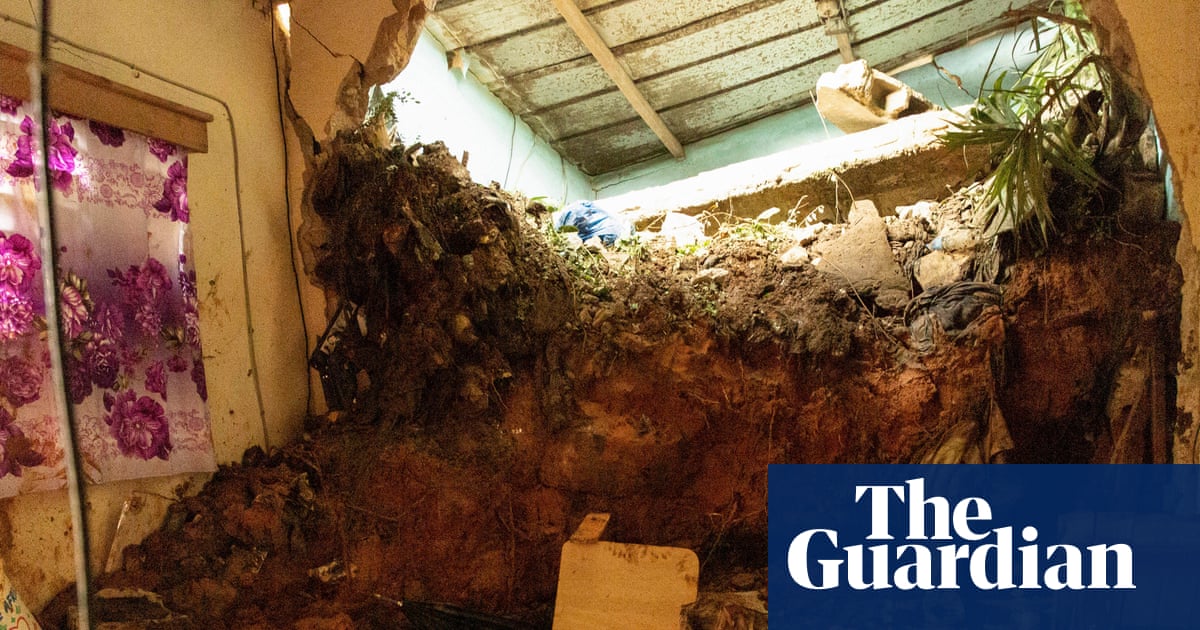
In the vibrant coastal nation of Côte d’Ivoire, communication minister Amadou Coulibaly confirmed the tragic loss of nearly six dozen individuals during a recent cabinet meeting in Abidjan. This grim tally underscores the intensifying humanitarian crisis gripping West Africa, a region particularly vulnerable to extreme weather phenomena. Rescue teams are working tirelessly, combing through ravaged communities like Attécoubé, where homes have been consumed by mudslides and debris chokes thoroughfares.
West Africa Floods: A Region Under Siege
Neighboring Ghana has also borne the brunt of the exceptional downpours. The Ghana fire service reported at least 13 fatalities and over 400 rescues on a single Tuesday alone. President John Mahama took to social media, highlighting the unprecedented nature of the rainfall, noting a staggering 140mm — more than double the highest single-day rainfall recorded just last year.
Experts and authorities widely attribute the escalating deadliness of these West Africa floods to the undeniable impacts of climate breakdown. The World Meteorological Organisation has long highlighted Africa’s extreme vulnerability to such events, despite its minimal contribution to global greenhouse gas emissions. However, local factors, including burgeoning urban populations and severely inadequate waste management systems, are also exacerbating the crisis, transforming what might be manageable rainfall into catastrophic deluges.
President Mahama, after surveying the damage in Accra by air, elaborated on the dual challenge facing his nation’s capital. The city’s unique geography, nestled between the Akwapim mountain range and the Atlantic Ocean, once posed no issue for a smaller population. Yet, rapid, unplanned urban expansion has constricted natural water pathways, effectively trapping floodwaters. Compounding this, the widespread practice of dumping garbage into drains creates blockages, further impeding water flow and worsening the severity of the West Africa floods.
The relentless rains have not spared other nations. Parts of Benin, Togo, and Nigeria have also experienced significant flooding. In Lagos, Nigeria’s sprawling metropolis, the inundation forced a transmission substation to halt operations, plunging several neighborhoods into darkness. The Nigerian Meteorological Agency (NiMet) offers a sobering forecast, predicting “above normal” rainfall across Abuja and nine other states this year, a forecast that rings particularly alarming given that some northern regions endured their worst flooding in 60 years just last year. For more detailed insights into local meteorological forecasts, you can visit their official website.
About the Author