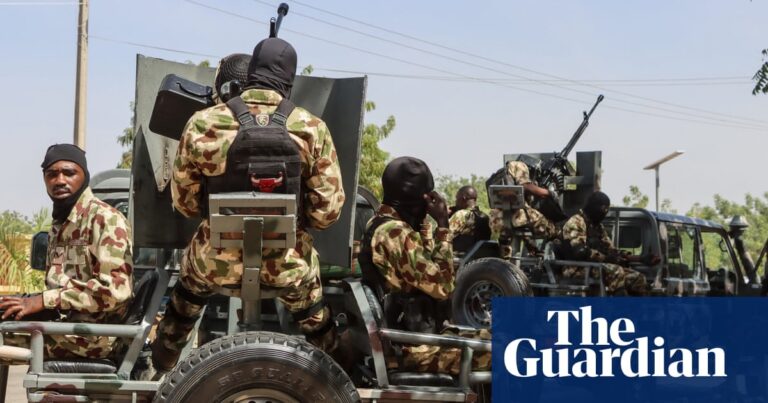
A significant victory unfolded this week in Nigeria’s north-western Zamfara state. Government forces, in a resolute two-day operation, reportedly neutralized more than 300 members of rampant criminal gangs. This decisive strike, targeting formidable groups of Nigerian bandits, marks a crucial moment in the nation’s struggle against widespread insecurity.
The intensive campaign, concentrated in the Gummi district, involved Nigerian soldiers working alongside local vigilantes. Zamfara’s information commissioner, Mahmud Muhammad Dantawasa, confirmed the operation’s success, stating it “led to the elimination of more than 300 terrorists.” Residents from Gummi recounted the fierce overnight battle, which raged into the following morning. Abubakar Muhammad told Agency France-Presse that the combined forces overwhelmed a force of roughly 1,000 bandits who had recently stolen livestock. This success follows a previous attempt two weeks prior, where troops were compelled to withdraw due to being outnumbered.
Confronting the Nigerian Bandits Epidemic
For years, these criminal networks, comprising cattle rustlers and jihadists, have unleashed terror across northern and central Nigeria. Their modus operandi includes raiding farmlands, stealing livestock, and kidnapping civilians for exorbitant ransoms. They even impose illicit levies on farmers merely to access their own land, operating sophisticated protection rackets.
Security analysts have observed an alarming trend: increasing cooperation between these criminal gangs and jihadist factions. Their mutual interests, often stemming from a desire for a weakened central government and the spoils of lawlessness, have forged a dangerous alliance. While criminal gangs thrive in Nigeria’s impoverished rural areas, jihadists continue a 17-year insurgency in the north, further exacerbating the nation’s security woes.
The Zamfara government has hailed this operation as a vital breakthrough in its tireless efforts to restore order. However, Nigeria grapples with a multifaceted security crisis, extending beyond the challenge of the Nigerian bandits. Islamist insurgencies by Boko Haram and its rival, the Islamic State West Africa Province, persist. The government, often with US partnership, has targeted jihadist leaders and fighters in recent months, demonstrating a commitment to quelling these threats.
Amidst such turmoil, innovative approaches, like local peacemaking efforts, are being explored. Yet, the nation also contends with general lawlessness, deeply fueled by poverty. Mass kidnappings, particularly of elementary schoolchildren, remain a chilling tactic employed by both jihadists and bandits to extract ransoms and exert influence. A recent kidnapping in the hitherto safer south-west, involving over 40 children, shocked the nation, though the army reported suffering casualties during their rescue operation.
About the Author