
Trump threatens to bomb bridges and power plants unless Iran resumes talks
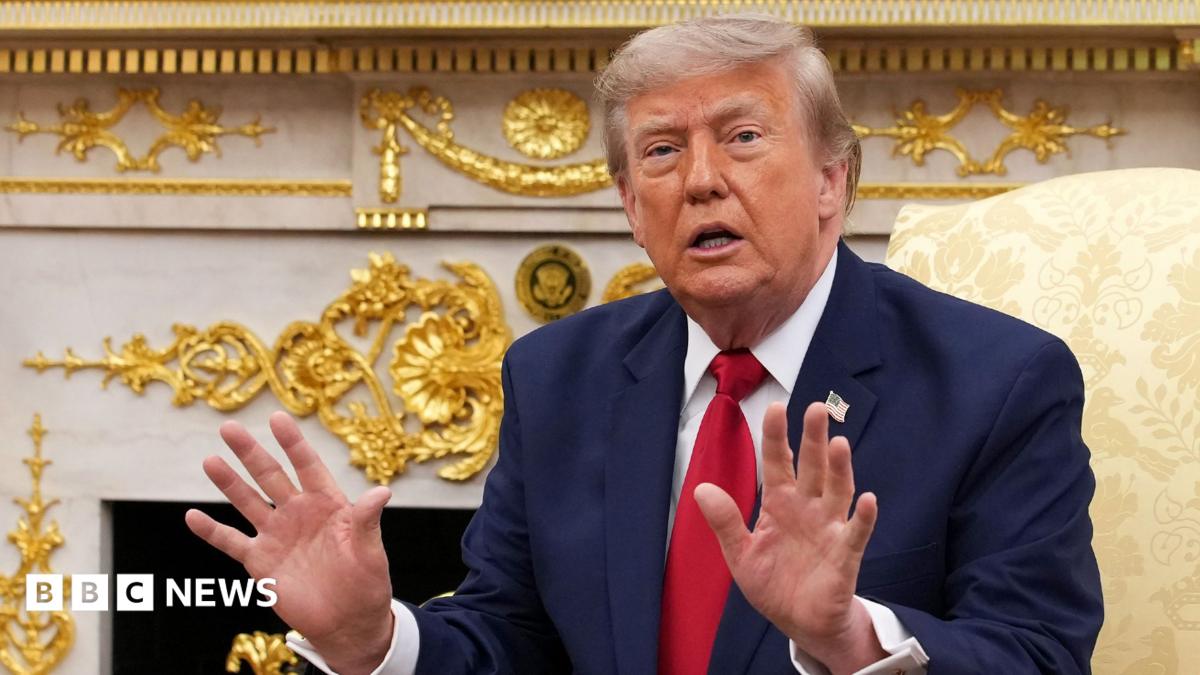
In a dramatic escalation of geopolitical tensions, US President Donald Trump has issued a stark ultimatum to Iran: return to Iran talks by next week or face devastating military strikes on critical infrastructure. This incendiary threat, broadcast during a Fox News interview, comes amidst four consecutive days of military exchanges between the two nations, painting a grim picture of intensifying conflict in the Middle East.
Mounting Pressure and The Call for Iran Talks
The president’s chilling comments underscored a perilous shift in strategy. “Next week it gets really bad for them,” Trump declared. He continued, outlining his plan with unsettling precision: “We’re going to knock out all their power plants. We’re going to knock out all their bridges unless they get to the table and negotiate.” This isn’t the first time such threats have surfaced; back in April, similar warnings targeted civilian infrastructure, including bridges and power plants within Iran.
International observers quickly condemned the rhetoric. UN human rights chief Volker Türk previously stated such actions could constitute war crimes. The foundational 1949 Geneva Conventions, a cornerstone of international humanitarian law, explicitly forbid deliberate attacks on civilian sites deemed essential for populations. Yet, Trump remained unyielding, telling Fox News, “I’ll save the energy targets for last, but ultimately we’ll hit energy targets.”
The White House asserted that American negotiators had already communicated a dire message to their Iranian counterparts: “‘better make a deal, or you’re not going to have anything left.'” This hardline approach follows a curious pivot concerning the strategically vital Strait of Hormuz. Earlier, Trump had announced a reversal of his threatened 20% fee on all cargo shipping through the strait, intending to replace it with “massive” trade and investment deals with Gulf states. However, this diplomatic overture was swiftly overshadowed by renewed military action and a resumed blockade of Iranian ports.
The recent intensification of hostilities has been profoundly unsettling. US Central Command (Centcom) reported a seven-hour barrage of strikes, hitting “dozens” of Iranian military targets near the Strait of Hormuz, aiming to cripple Iran’s ability to menace commercial shipping. Tragically, at least seven Iranian military personnel were killed in a strike on a base in Bampur. Tehran was quick to retaliate, unleashing missiles and drones against US targets in Jordan, Kuwait, and Bahrain, with Kuwait and Bahrain confirming the interception of these aerial assaults.
Adding to the chaos, the US accused Iran of “intentionally targeting civilians” in a series of attacks on seven commercial ships, resulting in nearly a dozen civilian crew members killed, missing, or injured. The UAE separately confirmed Iranian cruise missiles struck two national tankers, killing an Indian crew member and seriously wounding eight others. Iran’s Islamic Revolutionary Guard Corps (IRGC) admitted to some strikes, claiming two tankers ignored warnings. Shipping through the Strait of Hormuz has slowed dramatically, underscoring its immense geopolitical and economic significance.
The US previously imposed a naval blockade on Iranian ports in April, redirecting dozens of vessels. This blockade was briefly lifted in June as part of a memorandum of understanding, a truce aimed at de-escalating the conflict. However, the ongoing dispute over the strait’s control and Iran’s persistent refusal to engage in Iran talks under duress has effectively dismantled that fragile agreement. As crude oil prices soar, the world watches with bated breath, wondering if this latest ultimatum will push the region to the brink.