
US wants Iran to pledge to stop shooting at ships in Strait of Hormuz
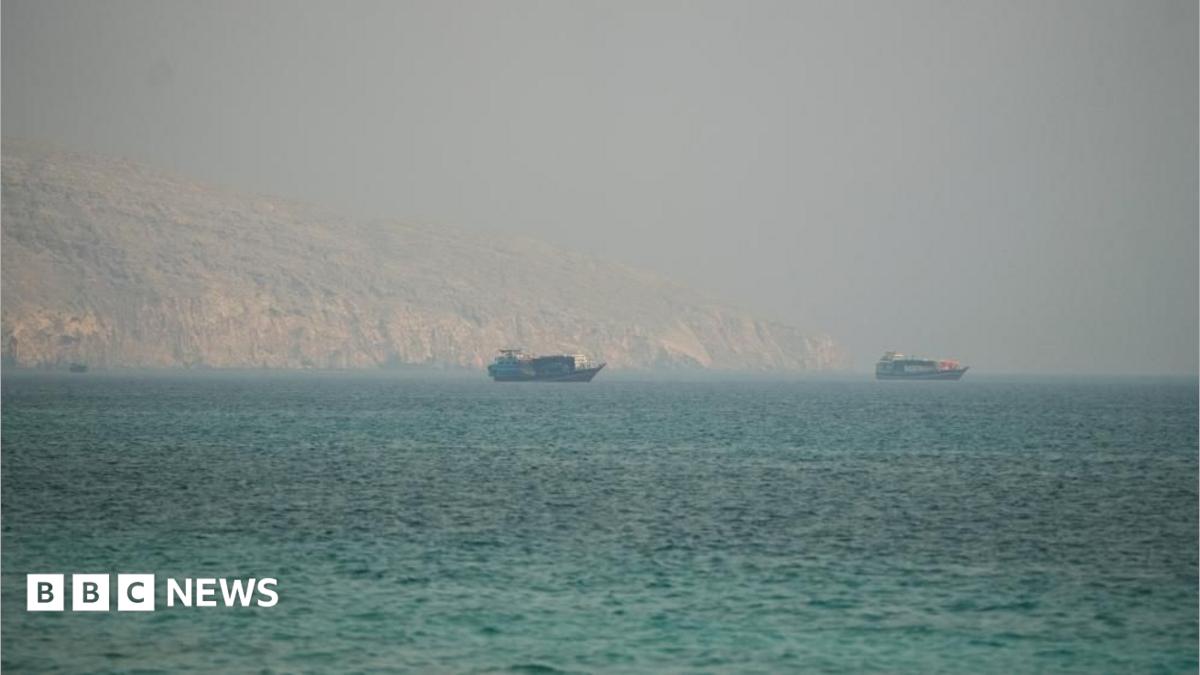
Washington is pressing Tehran for a definitive public commitment: the Strait of Hormuz must remain unequivocally open for commercial shipping, with a cessation of all hostile fire. These critical demands form the crux of high-stakes negotiations slated for Saturday in Oman, aiming to de-escalate recent alarming maritime incidents.
Unnamed US officials, speaking to various media outlets, revealed a surprising private acknowledgment from Tehran. Iran, it appears, conceded to President Donald Trump’s advisors that the recent ship-firing incidents were indeed a misstep. However, Iranian authorities reportedly attributed these actions to a “rogue internal group” attempting to disrupt diplomatic progress. Despite the White House viewing this week’s hostilities as a direct violation of a fragile ceasefire, President Trump himself confirmed that both nations have agreed to continue discussions.
Navigating the Volatile Strait of Hormuz
The urgency of these talks cannot be overstated. US officials, in a Friday briefing, communicated through regional mediators a clear ultimatum to Tehran’s leadership. Iran must issue a statement declaring the vital waterway open and unequivocally commit to halt attacks on commercial vessels. “They’re either going to give us that statement or we’re not having a good outcome for them,” one official was quoted as saying by Reuters. Furthermore, the White House insists on a public admission from Iran that targeting shipping was an error.
Iranian Foreign Minister Abbas Araqchi, however, maintains his nation “kept its word” regarding the ceasefire, asserting on X that it was the US that breached the June agreement. This agreement, a 14-point memorandum of understanding, was designed to ensure safe passage for commercial ships and extend a broader ceasefire across all fronts of the ongoing conflict.
Leading the US delegation to Saturday’s negotiations are Vice-President JD Vance, Secretary of State Marco Rubio, along with special envoy Steve Witkoff and Jared Kushner, both deeply entrenched in Middle East diplomacy. Araqchi is also expected to be present, signaling the gravity of the discussions.
The diplomatic dance extends beyond direct talks. A Qatari delegation journeyed to Iran on Friday, engaged in their own efforts to ease tensions and ensure unhindered navigation through the Strait of Hormuz. Meanwhile, President Trump’s rhetoric remains characteristically unyielding. In a Truth Social post, he announced, “The Islamic Republic of Iran has asked us to continue ‘talks.’ We have agreed to do so, but the United States has stated to them, in no uncertain terms, that the Cease Fire is OVER!”
Adding another layer of complexity, Trump reacted strongly to reports of Iranian plans for his assassination. Early Saturday, he warned via Truth Social that the US military would “completely decimate and destroy all areas” of Iran in retaliation for such an attack. These unsettling reports emerged from intelligence shared by Israel with Washington, further escalating the fraught environment surrounding these negotiations. For a deeper understanding of international maritime law and its role in global commerce, you may find information on organizations like the International Maritime Organization insightful.
The recent skirmishes, which saw three ships struck in US-recommended Omani waters, represent the most severe exchange of fire between the two nations since the interim deal last month. Iran, asserting its sovereignty, has consistently pushed for a “safe” passage through its own territorial waters and even proposed a “Persian Gulf Strait Authority” to manage transit. According to Iran’s Fars news agency, a new deal could see Iran, in coordination with Oman, ultimately manage the strait, potentially imposing “service fees” on transiting vessels. The stakes for global energy and trade are immeasurably high as discussions around the Strait of Hormuz continue.