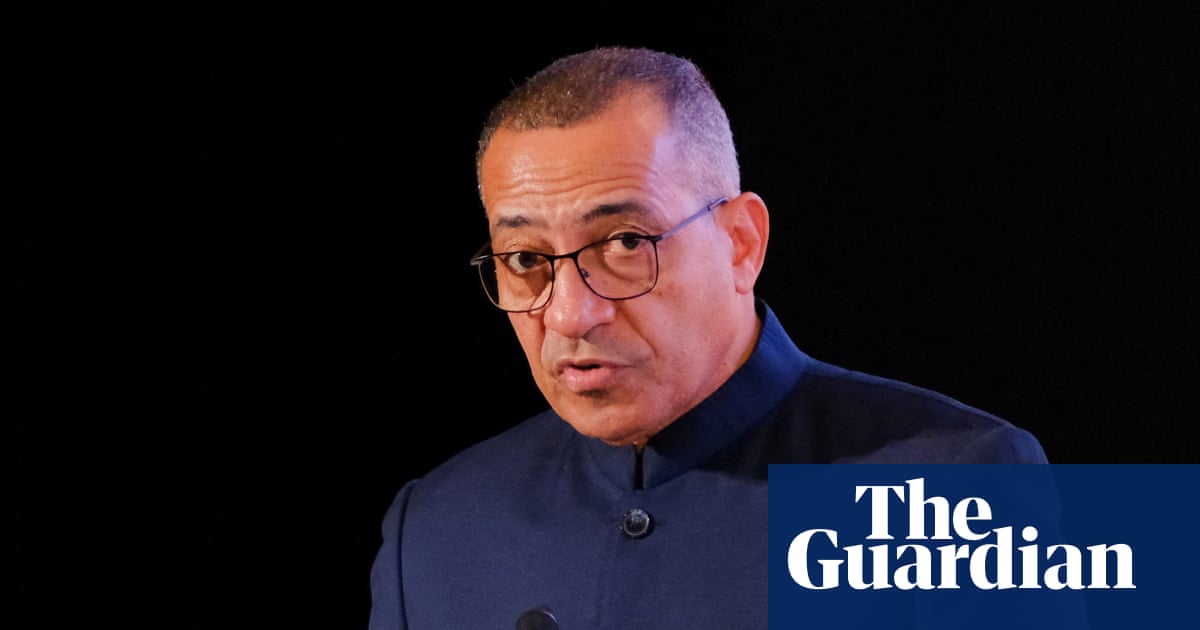
São Tomé and Príncipe, one of Africa’s smallest nations, is once again at a political crossroads. Voters head to the polls this Sunday for a pivotal São Tomé Election, a contest fraught with unexpected turns and palpable tension. The incumbent, President Carlos Vila Nova, seeks an unprecedented second term, but this time, remarkably, he stands as an independent candidate, having parted ways with the very party that propelled him to power five years ago.
Approximately 142,000 citizens are registered to cast their ballots in this tiny island state, with a significant 15% residing in the diaspora. The nation, which gained independence from Portugal in 1975, has long prided itself on a legacy of peaceful and competitive electoral processes. However, this year’s political climate is noticeably strained, shadowed by an ongoing constitutional crisis.
President Vila Nova’s decision to run independently from the ruling Acção Democrática Independente (ADI) party marks a dramatic shift. His previous victory in 2021 was under the ADI banner. The rift became glaringly public in January of last year following his dismissal of then-Prime Minister Patrice Trovoada. This move triggered a brief, chaotic period with Trovoada’s successor, Ilza Amado Vaz, resigning after just three days, eventually paving the way for current Prime Minister Américo Ramos.
A Crowded Field in the São Tomé Election
The upcoming vote sees Vila Nova competing against four other aspirants. Among them is Nito D’Abreu, the ADI parliamentary leader, now backed by a faction of the ADI led by Ramos. Intriguingly, the main opposition, the Movement for the Liberation of São Tomé and Príncipe, has thrown its weight behind the incumbent president, despite its historical animosity towards the ADI. Another former prime minister, Jorge Bom Jesus, will also appear on the ballot, despite a last-minute, unsuccessful attempt to withdraw his independent candidacy. Should no contender secure more than 50% of the vote, a second round will be necessary.
The constitutional court recently disqualified businessman Domingos Monteiro, affectionately known as “Nino,” from the race. Monteiro, president of the São Toméan Football Federation since 2015, was deemed ineligible due to his parents’ failure to naturalize after moving from Cape Verde. Monteiro vehemently protested the ruling, decrying it as a violation of equal rights and a symptom of “xenophobia and persecution.” For the average voter, the urgent concerns revolve around rampant government corruption, persistent high inflation, crushing youth unemployment, chronic fuel shortages, and disruptive power outages. These pressing issues fuel rivals’ hopes of unseating Vila Nova.
Nito D’Abreu didn’t mince words during a recent presidential debate, declaring corruption “the greatest catastrophe the country has experienced in this half-century [of independence].” Strategically located in the Gulf of Guinea, an area known for maritime piracy, the nation is a vital Western ally for security and maritime trade. Its burgeoning offshore oil deposits contribute substantially to the national coffers. To ensure transparency and fairness, observer missions from the European Union, G7+, and the Community of Portuguese Language Countries are actively monitoring the polls. This crucial São Tomé Election will undoubtedly shape the future trajectory of this small, yet strategically important, African state.
About the Author