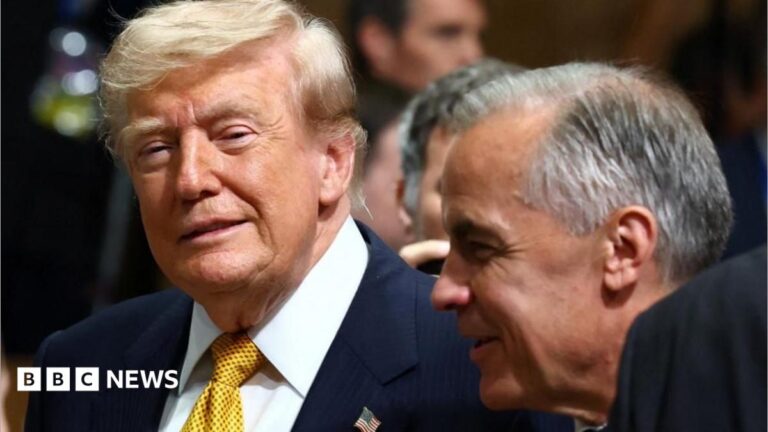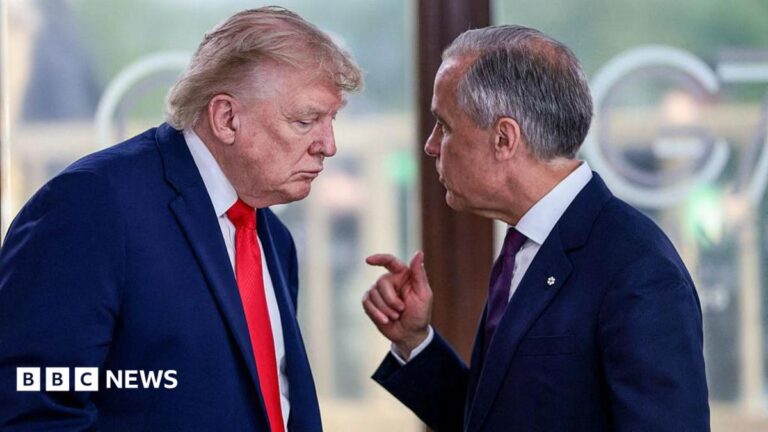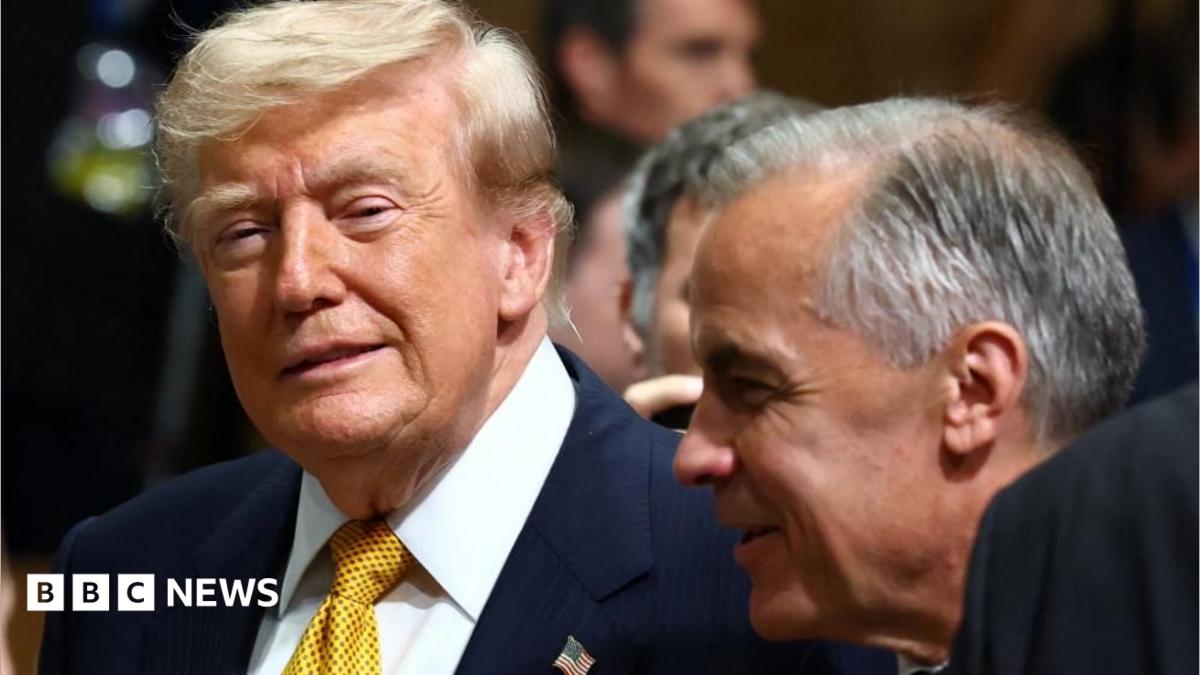
In a dramatic move that ratchets up North American trade tensions, US President Donald Trump has unilaterally imposed a sweeping 50% tariff on a vast array of Canadian imports. This aggressive action, effective in 30 days, represents a significant escalation in the ongoing dispute, targeting everything from consumer staples like wine and hockey sticks to industrial goods such as cement. However, critical Canadian exports including energy, potash, key minerals, and fish have been conspicuously spared from these new Trump Canada Tariffs, which the White House claims are a direct response to Canada’s “unequal treatment” of American cars, dairy, and alcohol.
Canadian Prime Minister Mark Carney swiftly countered the announcement, expressing Ottawa’s readiness to “intensify” trade discussions with the United States in the coming weeks. The diplomatic rhetoric suggests a desire to de-escalate, yet the looming duties could plunge cross-border commerce into unprecedented uncertainty. These latest tariffs deepen an already strained relationship that has been simmering since Trump’s return to office in January 2025, when he initiated a broad program of global levies, often for objectives extending beyond pure trade.
The Intricacies Behind New Trump Canada Tariffs
Tariffs, essentially taxes levied on imported goods, are paid by companies bringing foreign products into a country. This current imposition arrives despite a US Supreme Court ruling earlier this year that deemed many of Trump’s previous global tariffs, enacted under emergency powers, to be illegal. Undeterred, the administration has now invoked a different, largely untested legal framework—Section 338 of the 1930 Tariff Act—which specifically addresses trade discrimination rather than national emergencies, signaling a deliberate circumvention of past judicial roadblocks.
Canada, a vital trading partner for the US, previously retaliated against earlier Trump tariffs, imposing its own 25% levy on approximately C$30 billion (£16 billion; $21.7 billion) worth of American goods. While some of those duties were later rescinded by Carney, the new measures escalate the friction considerably. A White House fact sheet confirmed these duties apply universally, irrespective of existing protections under the Canada-United States-Mexico Agreement (USMCA), a trade pact personally negotiated and signed by President Trump in 2018.
Beyond these fresh duties, the US already maintains a complex web of tariffs on Canadian goods, including 15% to 50% on steel, aluminum, and copper, a 35% tariff on softwood lumber, and a 25% tax on non-US automotive components. Canada, not to be outdone, reciprocates with its own 25% counter-tariffs on select American steel, aluminum, and vehicles. While the White House offered no official justification linking the new Trump Canada Tariffs to recent Canadian wildfire smoke drifting into US cities, President Trump had previously threatened action on this environmental grievance.
Criticism from the Canadian side has been immediate and sharp. Prime Minister Carney, in a statement on X (formerly Twitter), denounced the tariffs as the “latest in a series of unilateral US trade actions that began with the US imposing a series of tariffs in direct violation of the Canada-United States-Mexico Agreement.” He also alluded to “threats to Canadian sovereignty,” a possible reference to Trump’s recurring suggestions of Canada becoming the 51st US state. Ontario Premier Doug Ford echoed a defiant stance, posting on X that “If these tariffs proceed, Canada should respond tariff for tariff, dollar for dollar.”
The US rationale for these particular Trump Canada Tariffs stems from three key complaints: what it perceives as Canada’s discriminatory tax on non-USMCA motor vehicles and parts, the long-standing Canadian dairy supply management system with its high tariffs on foreign imports, and a lingering boycott of American alcoholic beverages by Canadian provinces. These issues, known to both parties, suggest a breakdown in ongoing trade negotiations.
Experts are divided on the implications. Michael Devereux, an economics professor at the University of British Columbia, told the BBC that this move is a “significant escalation” and likely an “impulsive move… from kind of a grudge” rather than a negotiating tactic. However, others, like Candace Laing of the Canadian Chamber of Commerce, hold out hope that the 30-day grace period before implementation could spur “meaningful progress” in talks. Chris Swonger of the Distilled Spirits Council of the United States warned that the decision “raises the risk of further retaliation,” urging both nations to find an amicable solution to these contentious measures impacting global trade agreements.
About the Author