
Iran’s judiciary warns against ‘infiltrators’, announces new executions
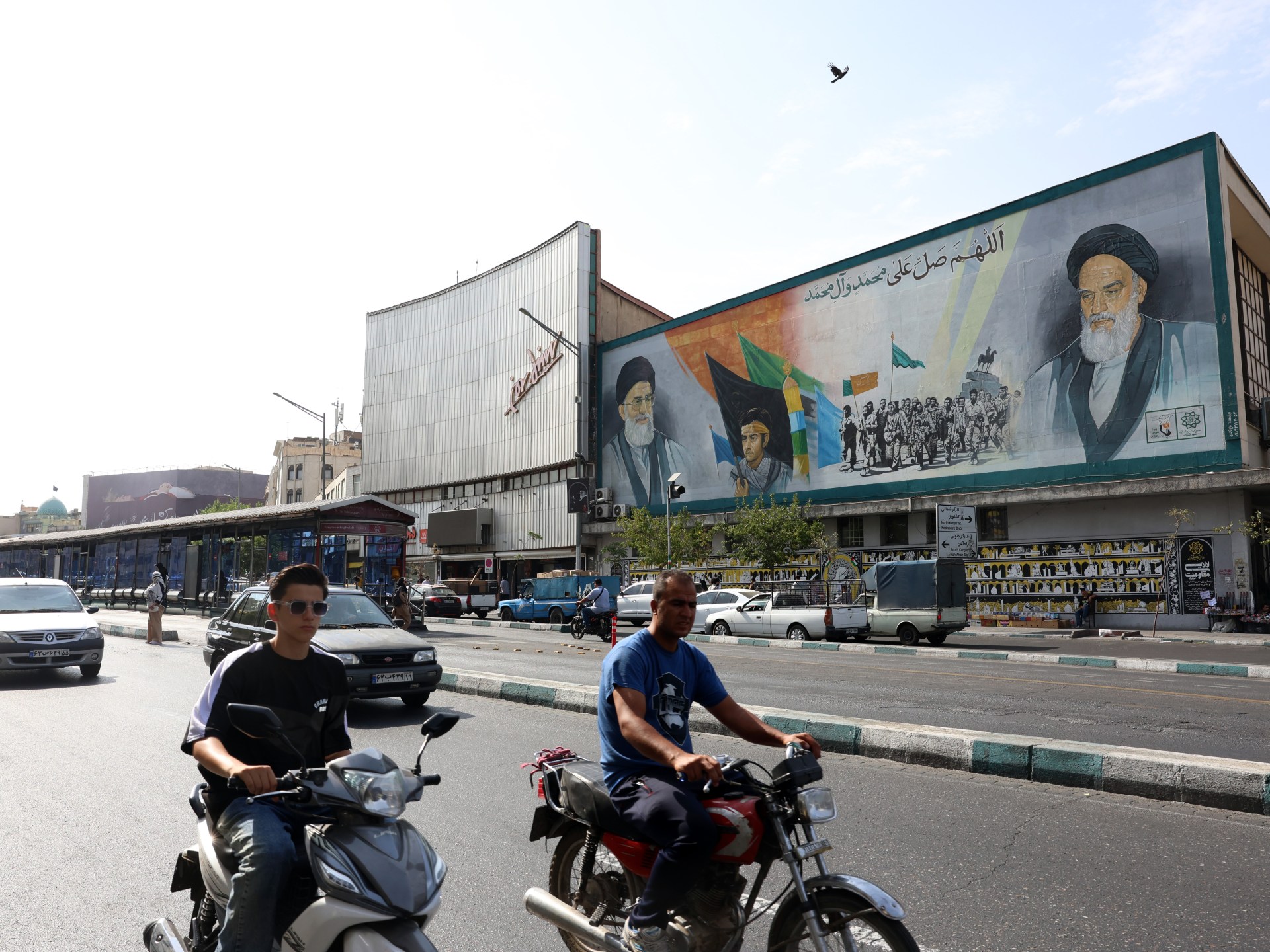
Tehran’s iron fist tightens. Iran’s judiciary has announced a disturbing wave of executions this week, directly linking them to recent national unrest and a fierce campaign against perceived “infiltrators” aiming to sow division amid ongoing tensions with the United States. These latest Iran executions send a chilling message across the nation, reinforcing the state’s resolve against dissent.
The official judiciary news outlet, Mizan Online, confirmed the execution of Mehdi Khanaki, labeled an “active element of a terrorist group.” Khanaki was apprehended during January’s nationwide protests, which authorities claim were orchestrated by hostile foreign powers. State television broadcast footage allegedly showing security forces uncovering an arsenal of handguns, ammunition, and explosives during a raid on his home in Karaj. A “revolutionary court” swiftly tried him for “operational action in favour of the Zionist regime, the United States, and hostile groups.”
Furthermore, Sunday witnessed the executions of two more individuals in connection with a 16-defendant case stemming from the deadly January 8 protests in Isfahan. Officials contend these men were complicit in the killing of police officers. Yet, activists operating from outside Iran vehemently dispute the state’s narrative, alleging severe breaches of due process and widespread use of torture in these proceedings.
The Escalating Wave of Iran Executions and Crackdowns
The protests, ignited last December 28 over economic grievances in central Tehran, rapidly metastasized into a torrent of nationwide frustration directed at the establishment. This pattern echoes previous rounds of popular demonstrations. Authorities, however, steadfastly portray this widespread unrest – which resulted in thousands of fatalities, particularly on January 8 and 9 – as a “coup” meticulously orchestrated by the United States and Israel. They outright dismiss the findings of reputable international human rights organizations, which documented “mass unlawful killings on an unprecedented scale” during a total internet and communications blackout.
In the tumultuous aftermath of these protests and the US-Israeli conflict that commenced on February 28, tens of thousands have been arrested. Last week, the Coordinating Council of Iranian Teachers’ Trade Associations, a non-governmental body within Iran, openly condemned what it termed “intensified prison sentences and continued pressure on teachers’ guild activists” by state authorities.
Security-related offenses are now prosecuted under a draconian law enacted after the 12-day war with Israel in June 2025. This legislation significantly escalates penalties for “espionage” and other acts perceived as cooperation with “enemies,” aiming to decisively undermine national security. Hundreds of Iranians, including prominent businessmen and celebrities both at home and abroad, have seen their assets entirely confiscated by the state. State television frequently airs purported “confessions” from individuals arrested or executed for these grave charges, including a recent broadcast featuring a blurred-out young man admitting to posting “anti-homeland content” on Instagram during the current conflict.
This dramatic increase in Iran executions and the judiciary’s stern warnings against “infiltrators” align precisely with Tehran’s prevailing rhetoric of national steadfastness and unity during wartime. Mojtaba Khamenei, Iran’s new supreme leader, who ascended to power in March after his father’s demise, recently implored for “sacred unity” among all citizens and political factions. Chief Justice Gholam-Hossein Mohseni-Ejei, speaking during a televised meeting, echoed this sentiment with palpable religious fervor: “We must not allow devils among humans and jinn to infiltrate the ranks of believers and our people to create division and schism.”
The judiciary chief ominously cautioned that these “alarmists, rumour-spreaders, hypocrites and infiltrators” would not declare their true intentions openly, instead disguising themselves as insiders to pit the populace against one another. This stern internal messaging comes at a time when the US increasingly highlights alleged rifts within Iranian leadership, positing factions that either advocate for continued conflict, particularly over the strategically vital Strait of Hormuz, or seek a swift, negotiated peace to prevent further national devastation. Iranian authorities, predictably, reject such foreign classifications, emphasizing national cohesion against external pressures and internal subversion, even as the specter of further Iran executions looms large.