
Health worker monitored for Ebola in London hospital after working in DRC
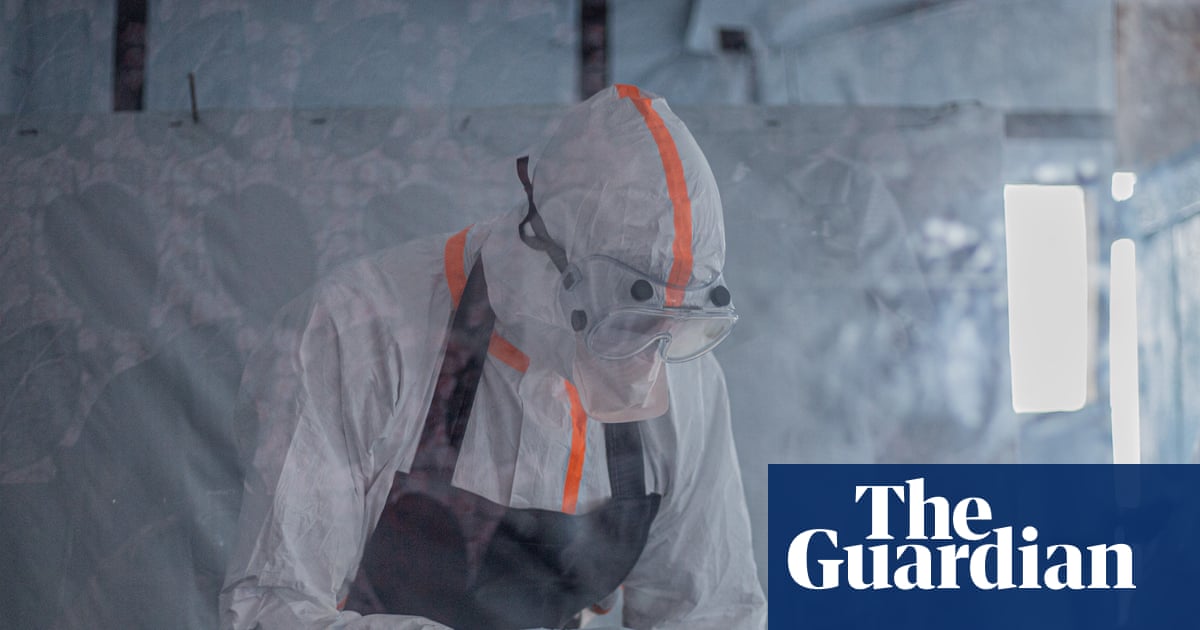
A humanitarian worker, recently returned from the Democratic Republic of the Congo (DRC) where a virulent Ebola outbreak rages, is currently undergoing intensive Ebola monitoring at a specialised London hospital. This critical move, initiated by the UK Health Security Agency (UKHSA), is a stringent precautionary measure following potential exposure to the deadly virus during their humanitarian duties. The individual, though showing absolutely no symptoms at this time, has been medically evacuated to ensure paramount safety for both themselves and the wider public.
The UK resident was transported from the DRC on a flight chartered exclusively for this purpose. They are now in isolation, receiving expert assessment from infectious disease specialists, a testament to the meticulous approach taken by health authorities when confronting such formidable pathogens. While the patient remains well, the protocol demands thorough observation.
Rigorous Ebola Monitoring and Public Reassurance
The incubation period for Ebola is remarkably varied, spanning from a mere two days to a staggering twenty-one. Consequently, this stringent Ebola monitoring protocol mandates that the individual remains under close watch and in complete isolation throughout this critical window. Richard Pebody, the director of epidemic and emerging infections at the UKHSA, underscored the cautious approach, stating, “This individual has been transferred out of an abundance of caution and we’re pleased they remain well.”
It is paramount to emphasise that there are currently no confirmed cases of Ebola within the United Kingdom. Officials stress that the risk to the general public remains exceptionally low. This comprehensive and proactive stance, including this meticulous Ebola monitoring phase, is crucial in containing any potential spread before it even begins. Last month, a patient in Glasgow, initially suspected of having the virus, thankfully tested negative, further highlighting the vigilance within the UK’s healthcare system.
The outbreak in the Democratic Republic of the Congo and Uganda, which began in May, was swiftly declared a public health emergency of international concern by the World Health Organization (WHO). This terrifying virus, originating in wild animals, then tragically propagates within human populations. Transmission occurs through direct contact with infected blood, bodily fluids, secretions, or organs, as well as contaminated surfaces and materials like bedding or clothing.
Symptoms, which can appear suddenly, often begin with fever, fatigue, muscle pain, headache, and a sore throat. These grim indicators can then progress to vomiting, diarrhoea, abdominal pain, a rash, and severe impairment of kidney and liver functions. Understanding such global health crises often requires detailed information from authoritative sources. For further insights into the disease, consult the comprehensive resources provided by a leading international health body.