
‘Energy ceasefire’: What’s behind Trump’s love-hate ties to Russian oil?
Introduction & Key Takeaways
President Donald Trump has officially announced an immediate energy ceasefire between Russia and Ukraine, a move intended to stabilize global fuel markets currently reeling from the US war on Iran and persistent supply chain disruptions. This controversial policy shift, which involves relaxing sanctions on Russian petroleum, aims to mitigate soaring domestic diesel prices that have placed immense pressure on the current administration ahead of critical midterm elections. While the White House frames this as a strategic necessity, critics argue it provides a financial lifeline to Moscow during the ongoing conflict in Ukraine.
- The energy ceasefire seeks to curb further attacks on critical infrastructure to prevent total market collapse.
- Domestic diesel costs reached record levels in September, threatening key sectors like agriculture and trucking.
- Global energy security remains volatile due to ongoing conflict in the Strait of Hormuz.
- The policy has sparked intense debate regarding the balance between national economic stability and international sanctions enforcement.
Background & Context (What Just Happened?)
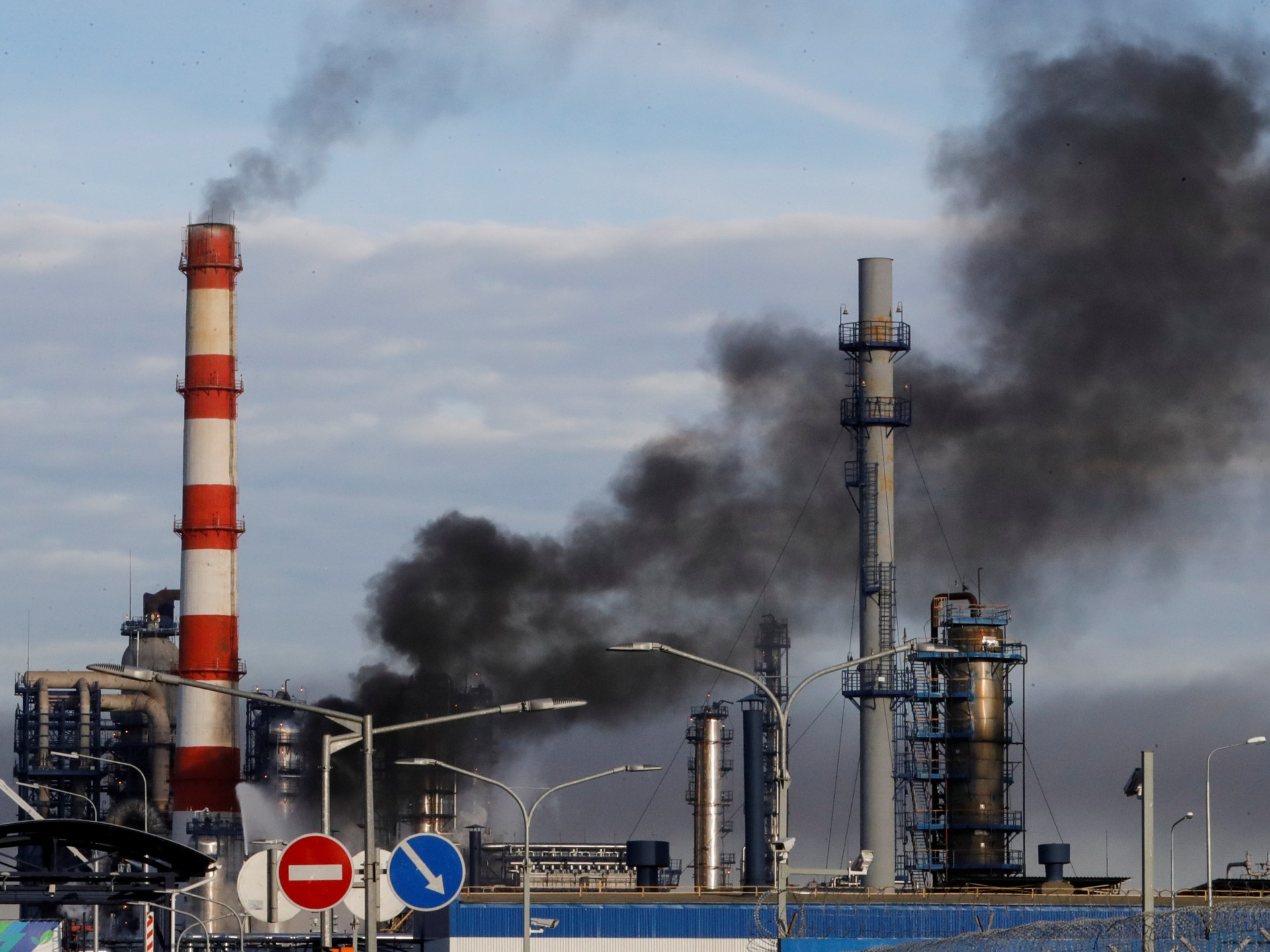
The geopolitical landscape of 2026 has been defined by multiple flashpoints, primarily the US-Iran war and the lingering Ukraine conflict. According to historical trends in oil markets, regional instability frequently translates into supply-side shocks. Following recent Ukrainian drone strikes against Russian energy infrastructure, the global diesel supply tightened significantly. In response, Trump publicly pressured Kyiv to halt such operations, warning that further degradation of Russia’s export capacity would be viewed as an assault on American economic interests.
This energy ceasefire represents a major pivot from the earlier stance of the administration. After initially intensifying sanctions against Russian energy giants like Rosneft and Lukoil in late 2025, the White House has moved toward a waiver-based system. This allows for specific, time-limited imports to soothe the domestic market, a tactic previously employed during the energy crisis induced by the conflict in the Middle East.
Root Cause & Deep Dive Analysis (Why Did This Happen?)
The core motivation for this policy U-turn is the intersection of domestic electoral pressure and systemic global economic strain. As diesel prices climbed to $6.52 per gallon, the political fallout threatened to destabilize the Republican position in the upcoming November midterms. Analysts suggest the administration is operating under the belief that maintaining affordable energy is the singular most effective tool for preventing a widespread economic slowdown.
Moreover, the strategy highlights a pragmatic, if cynical, view of international relations. The administration appears to be prioritizing short-term price suppression over long-term alignment with European partners who remain steadfast in their isolation of Russian energy. By fostering an unofficial truce, Trump hopes to stabilize supply lines that traverse war zones, thereby demonstrating control over the volatile global fuel index.
Strategic Implications & Future Impact (What Does This Mean Globally?)
The global energy ceasefire has far-reaching implications for both future conflict resolution and energy market regulation. For Moscow, this deal is more than an economic gain; it is a tactical validation that the US remains willing to bargain when domestic pressures mount. For Kyiv, the uncertainty surrounding the enforcement of this truce creates a precarious reality, as they are now effectively asked to unilaterally limit their military options to assist in stabilizing a market that is arguably funding their opponent.
Economically, the inconsistency of these sanctions creates a climate of profound uncertainty for multinational corporations. Businesses that rely on long-term supply chain predictability now face the risk of sudden policy reversals. If the US continues to treat energy sanctions as a tap that can be turned on or off based on current polling data, the effectiveness of the sanctions regime as a tool of statecraft may be permanently compromised.
Conclusion & What to Watch Next
As the administration moves toward April 2027, the success of this strategy will be measured by the stability of retail fuel prices and the reaction of the electorate. We must closely monitor whether Russian drone activity over Ukrainian facilities ceases entirely or if the ceasefire proves to be a superficial arrangement. Observers should also keep a sharp eye on the upcoming G7 meetings, where the friction between US policy and the European consensus on Russian energy is likely to reach a breaking point. Ultimately, the question remains whether temporary price relief can outweigh the geopolitical costs of engaging with a sanctioned state during an ongoing, high-intensity conflict.