
Longer Jail Terms, Higher Penalties, Time-Bound Trials: Govt May Tighten Paper Leak Law At Cabinet Meet
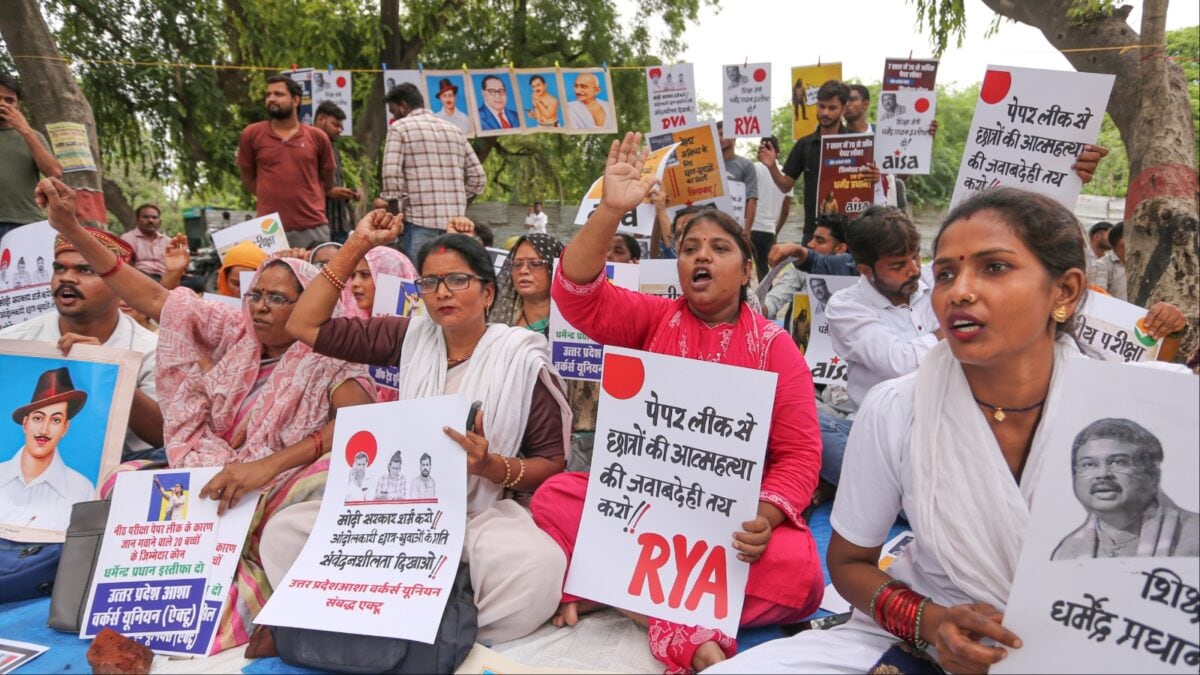
In a decisive move to safeguard the integrity of public examinations, the Union Cabinet, led by Prime Minister Narendra Modi, is poised to significantly strengthen the existing anti-paper leak law. Proposals on the table include considerably longer jail terms, substantially higher financial penalties, and strict deadlines for the completion of trials in cases of organized examination fraud. This pivotal discussion arrives amidst widespread concerns over alleged irregularities in critical competitive tests like NEET and JEE, which have cast a long shadow over the aspirations of countless students nationwide.
Sources indicate the Centre is meticulously reviewing amendments to the Public Examinations (Prevention of Unfair Means) Act, 2024. The objective is clear: to fortify the legal framework against sophisticated, interstate paper leak syndicates that undermine the credibility of India’s examination system. The urgency of these proposed changes cannot be overstated, reflecting a national clamor for accountability and justice.
Strengthening the Anti-Paper Leak Law: Key Proposals
Among the most impactful changes under consideration are far stricter punitive measures than currently prescribed. Officials are exploring the possibility of mandating a timeline, potentially as short as one year or even less, for the conclusion of trials in paper leak incidents. Such a provision would ensure swift prosecution and accelerate convictions, delivering a much-needed deterrent to those who prey on students’ futures.
The existing Public Examinations (Prevention of Unfair Means) Act, 2024, enacted just months ago, already criminalizes a spectrum of malpractices, from actual paper leaks to impersonation and tampering with computer systems. Under this current legislation, individuals found culpable face imprisonment ranging from three to five years and fines up to ₹10 lakh. However, organized syndicates involved in these illicit activities are subject to even harsher penalties: five to ten years’ imprisonment and a minimum fine of ₹1 crore.
Yet, the government now seeks an even more robust legal apparatus. The goal is a comprehensive framework capable of dismantling these intricate, inter-state networks and ensuring that every case is resolved within a clearly defined period. This commitment to swift justice resonates deeply with the public.
These anticipated amendments follow closely on the heels of activist Sonam Wangchuk concluding his 26-day hunger strike, a protest that brought national attention to educational reforms and examination integrity. Wangchuk ended his fast after receiving assurances from Union Ministers J.P. Nadda and Jitendra Singh, who affirmed the government’s willingness to discuss paper leaks and examination reforms in Parliament. Furthermore, the Centre is positively considering compensation for families of students tragically lost to suicide amidst the recent NEET controversy and assured no cases would be registered against peaceful protestors.
Prime Minister Modi himself underscored the gravity of the situation, recently announcing the establishment of special fast-track courts dedicated solely to the expedited disposal of paper leak cases. This impending overhaul of the anti-paper leak law complements that announcement, promising tougher penalties, unwavering timelines, and an impenetrable legal structure designed to eradicate organized examination fraud once and for all. The nation watches, hopeful for a future where merit prevails unblemished by deceit.
For more official government updates, please visit India’s National Portal.