
Warning Signs For Congress-UDF In Kerala? Left Makes Big Gains In Local Body Bypolls
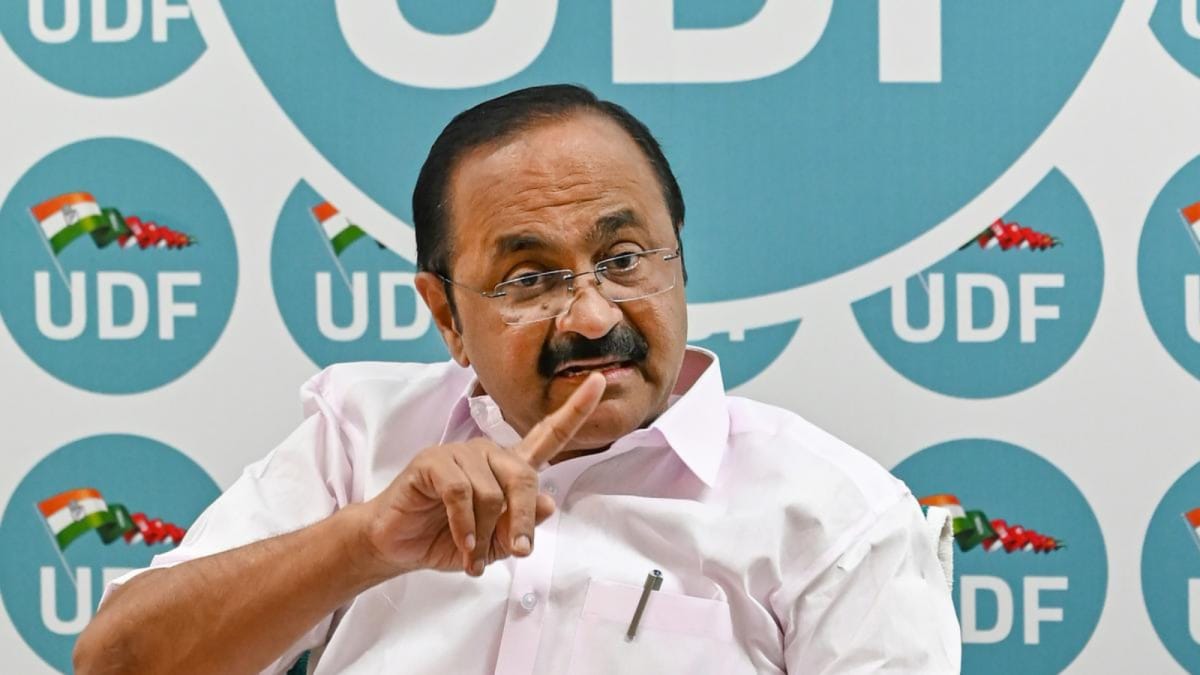
The political landscape in Kerala is shifting, and the latest Kerala local body bypolls have sent a clear message to the ruling coalition. As the Congress-led United Democratic Front (UDF) marks its first 100 days in governance, these elections serve as an essential pulse check on public sentiment across the state. While the UDF maintained a thin lead in total ward counts, the underlying data reveals significant gains for the Communist Party of India (Marxist)-led Left Democratic Front (LDF), signaling that voters are closely scrutinizing the current administration’s performance.
Understanding the Kerala Local Body Bypolls
The State Election Commission (SEC) reported that polling took place across 38 wards spanning 12 districts, offering a snapshot of shifting political loyalties. The results show the UDF securing 18 seats, while the LDF captured 16. The BJP-led NDA managed to secure a single ward, with independent candidates claiming the remaining three. Despite the UDF’s numerical advantage, the LDF’s ability to wrestle seven seats away from the incumbent alliance, including two previously held by sitting MLAs, has caught the attention of regional political analysts.
The intensity of the democratic process in India remains a subject of intense global observation. In this specific electoral event, the LDF managed to penetrate traditional UDF strongholds. For instance, in Ernakulam, a region typically reliable for the Congress, the UDF only managed to win two out of four available seats. This trend was mirrored in Kottayam, where the LDF asserted dominance by winning two out of the three contested wards. These losses are not merely statistical anomalies, they reflect a growing dissatisfaction in regions that have historically provided the backbone for the ruling coalition.
Furthermore, even where the UDF managed to retain seats, the margins of victory have plummeted. In areas such as Wayanad and Kozhikode, the comfortable cushions of over 1,000 votes observed in previous cycles have evaporated, with current victories decided by only a few hundred ballots. Such narrow escapes are often interpreted by political scientists as a manifestation of weakening local support bases.
Governance Challenges and Public Sentiment
Beyond the numbers, the UDF government is currently facing a period of intense criticism. Over the past few months, the LDF has spearheaded a campaign focusing on the deteriorating quality of healthcare infrastructure. Allegations concerning the shortage of critical medicines in government hospitals have become a rallying point for the opposition, causing significant political friction. Chief Minister Satheesan has been under constant pressure, with the opposition questioning his administration’s efficacy in managing essential public services and broader governance issues.
It is worth noting that political volatility can often manifest in unexpected ways, much like the broader economic challenges impacting national stability, such as the rising global interest rates that influence local investment and spending power. As the government navigates these complex challenges, it is also tackling various internal policy debates, such as those discussed in recent reports on the changing gender roles in modern society.
Reflections on the Electoral Data
The voter turnout for these bypolls was recorded at 58.81 percent, with Kannur reaching a high of 84.55 percent, while Kottayam lagged behind at 54.24 percent. The total electorate involved reached over 300,000 voters. CPI(M) State Secretary MV Govindan did not hesitate to interpret these outcomes as a vindication of the Left’s political strategy. He emphasized that the shift in vote shares suggests the UDF has distanced itself from the needs of the common citizen in just over three months.
As the state moves forward, the UDF will likely need to re-evaluate its communication strategies and address the tangible grievances regarding public healthcare to prevent further erosion of its base. Whether this result is a temporary aberration or a precursor to a larger shift in state politics remains a topic of intense debate among local experts and citizens alike.