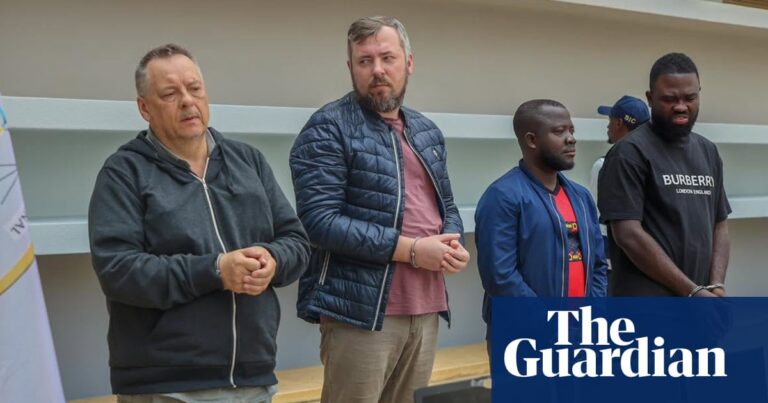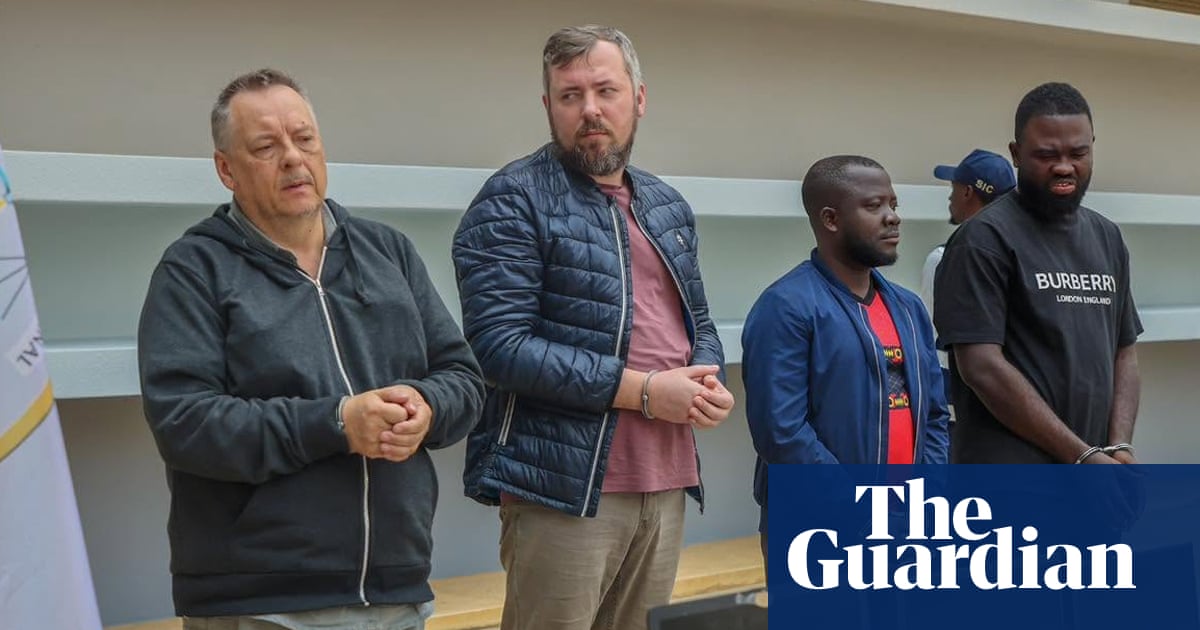
Luanda, Angola — In a startling development that reverberates across geopolitical landscapes, two Russian men have been decisively found guilty by an Angolan court on grave charges of terrorism and spying. This verdict sends a clear message, as these Russian men jailed faced accusations of orchestrating a coup and inciting deadly protests within the southern African nation last year. The severity of their alleged actions underlines a deeper narrative of external influence attempting to destabilize a sovereign state.
Lev Lakshtanov and Igor Ratchin, the men at the center of this international incident, received sentences of eight and eleven years in jail, respectively. Both individuals vehemently denied the charges throughout their trial, maintaining that their presence in Angola was solely for legitimate cultural and business engagements. However, prosecutors presented a compelling case painting a starkly different picture of clandestine activities.
The Sentencing of the Russian Men Jailed
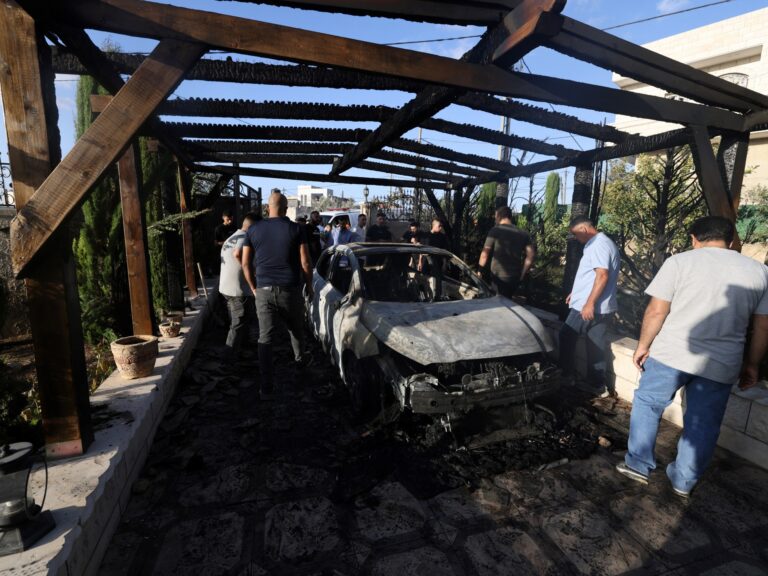
The convictions stem from a tumultuous period in July 2025, when a minibus taxi strike, initially sparked by hikes in fuel prices, tragically escalated into widespread riots and rampant looting. Official figures confirm the horrifying toll: 22 individuals lost their lives, and over 1,600 arrests were made during the three-day unrest. Allegations surfaced quickly, pointing to Angola’s security forces employing live ammunition against demonstrators, a claim the government countered by asserting its “progressive” use of force was entirely justified.
Prior to these events, Human Rights Watch had already expressed concerns about Angola’s police tactics, documenting instances where rubber bullets and teargas were deployed with what they termed “excessive force” to disperse a peaceful protest against rising fuel costs just days before the more widespread violence erupted.
Angolan prosecutors meticulously detailed how Lakshtanov and Ratchin allegedly sought to manipulate the upcoming presidential elections. This audacious plan reportedly involved bankrolling UNITA, Angola’s principal opposition party, or, failing that, instigating a leadership upheaval within the Popular Movement for the Liberation of Angola (MPLA), the party that has held power since Angola gained independence from Portugal in 1975. Furthermore, prosecutors drew a direct line from the defendants to Africa Politology, a notorious Russian disinformation and propaganda apparatus believed to have originated from the infamous Wagner mercenary group.
Following the demise of Wagner chief Yevgeny Prigozhin in 2023, Africa Politology was reportedly subsumed by Russia’s Foreign Intelligence Service (SVR). This organizational shift saw Wagner rebranded as Africa Corps and fully absorbed into Russia’s military structure, adding another layer of complexity to the allegations against the two Russian men jailed.
Historically, Angola, a nation whose economy is heavily reliant on oil exports, has maintained close ties with Russia. During the Cold War era and Angola’s prolonged civil conflict (1975-2002), the Soviet Union and Cuba staunchly supported the MPLA, while the United States and apartheid South Africa backed UNITA. However, President João Lourenço, who assumed office in 2017, has since endeavored to foster stronger relationships with both the United States and Europe.
Over the last decade, Russia’s footprint across Africa has expanded considerably. From providing security for the Central African Republic’s president since 2017 to deploying forces in Mali, Niger, Burkina Faso, Equatorial Guinea, Libya, and Sudan, Russia’s strategic engagement in the continent is undeniable. The recent bolstering of ties between Madagascar’s president and Russia, complete with Russian presidential guards and a weekly national television program on bilateral relations, underscores this burgeoning influence.
The trial also implicated two Angolan citizens. Sports journalist Carlos Tomé received a two-year suspended prison sentence, while Francisco de Oliveira, the secretary-general of UNITA’s youth wing, was acquitted. Both the Angolan prosecutors and the Russian men jailed have since filed appeals against their respective sentences, with Lakshtanov and Ratchin remaining in detention as the appeals process unfolds. Russia’s embassy in Angola has yet to issue a public statement concerning the verdict.
About the Author