
Iran: Currently no negotiations with the US
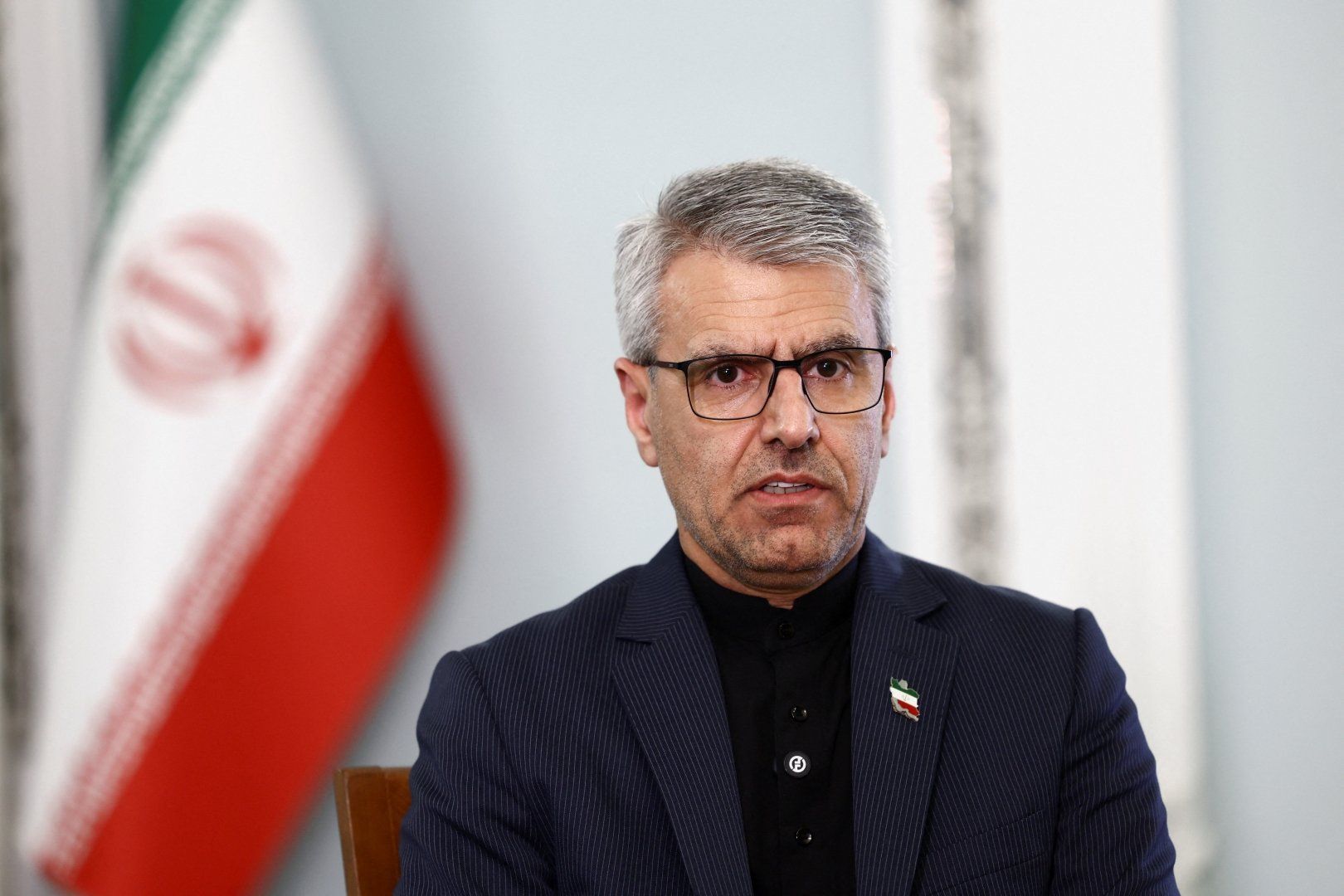
Tehran, Iran – A defiant declaration from Iran’s Foreign Ministry on Monday put an abrupt end to speculation surrounding potential Iran US negotiations.
Spokesperson Esmaeil Baghaei asserted that the Islamic Republic remains unequivocally in control of the vital Strait of Hormuz. Furthermore, he explicitly stated that the nation is not seeking dialogue with the United States.
This decisive stance emerged shortly after President Donald Trump’s administration temporarily halted military actions against Iran over the weekend, hinting at a momentary de-escalation that now appears to have been misinterpreted by some observers.
The Future of Iran US Negotiations
Baghaei’s comments underscored a deeply entrenched position from Tehran, one that has consistently rejected direct talks under perceived duress. The strategic waterway of the Strait of Hormuz, a critical chokepoint for global oil shipments, remains firmly under Iranian jurisdiction, a point repeatedly stressed by officials.
The recent pause in US military engagements had fueled quiet optimism in some international circles that a window for diplomatic engagement might open. However, Monday’s statement suggests a wide chasm persists, with Iran seemingly unwilling to engage in Iran US negotiations unless conditions drastically change.
Analysts suggest that Iran’s current posture might be a response to internal pressures, or a strategic move to solidify its regional power without appearing to concede to external demands. Understanding the intricate dynamics of international relations is crucial in assessing such geopolitical pronouncements. The immediate implications for broader regional stability are profound, suggesting continued uncertainty in a volatile area of the world regarding future Iran US negotiations.