
After experiencing 2016 wildfire, Fort McMurray survivor addresses evacuation trauma
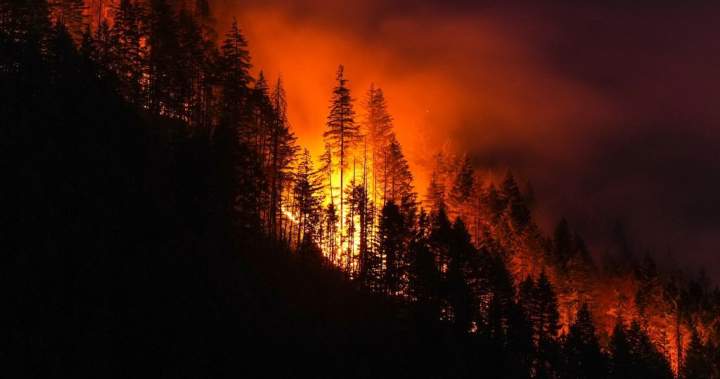
As raging infernos force hundreds of families from their homes across British Columbia and Ontario, a survivor of the devastating 2016 Fort McMurray wildfire offers invaluable lessons. Terese Greenwood, whose life was irrevocably altered when her home vanished in the blaze, is now sharing profound insights into navigating a wildfire evacuation and its enduring aftermath, providing a beacon of experience for those grappling with similar crises today.
Greenwood’s experience, detailed in her compelling book, underscores a critical message: immediate compliance with evacuation orders is paramount. “Your job as the resident, as the citizen, is to make sure you’re safe, your family’s safe,” she emphatically stated. “Obey the directions of the fire department and the municipality.” For more comprehensive emergency readiness tips, experts recommend consulting official government resources. Her family had precious little time to act before the flames, which she described as an “apocalyptic” vision, surged towards their home.
Navigating Wildfire Evacuation and Recovery
Despite the harrowing circumstances, Greenwood recalls a community united rather than panicked. Fort McMurray residents exhibited remarkable calm, working collectively to ensure a safe exodus for all. “Our whole community was able to evacuate,” she shared, a testament to collective resilience. Emergency crews, she noted, tirelessly focus on safeguarding vital infrastructure and maintaining clear escape routes, making prompt departure not just advisable but absolutely essential.
The physical destruction was total for Greenwood’s family; their four-bedroom house reduced to ash. Yet, amidst the arduous process of rebuilding, they discovered an unexpected silver lining: a profound re-evaluation of material possessions. What began with children’s curling brooms and countless accumulated items ended with the realization they no longer even needed a teapot. This powerful shift in perspective highlights how a traumatic event like a large-scale wildfire evacuation can redefine one’s priorities.
The emotional toll, Greenwood emphasizes, often outlives the flames themselves. Years later, seemingly innocuous objects can unexpectedly trigger deeply buried memories. She recounts instances where simple Lego sets, given to children during the initial evacuation, brought survivors to tears, revealing the intricate and lasting nature of trauma. Her book, What You Take With You: Wildfire, Family and the Road Home, has become a resource for university instructors, helping students grasp the human experience of such profound displacement. Those undergoing their own wildfire evacuation are encouraged to seek solace and strength within their communities. “There’s no right or wrong way to feel about this,” Greenwood advises, urging people to connect with neighbours and share their experiences, fostering collective healing.