KAMPALA – Uganda has initiated a critical emergency food relief distribution program, a desperate measure after at least 19 individuals tragically succumbed to starvation in the nation’s eastern drought-stricken Karamoja region. This grim tally underscores a burgeoning humanitarian catastrophe, a full-blown Karamoja hunger crisis, that has silently gripped the area for months.
The situation in Karamoja, home to 1.5 million people, has reached a harrowing zenith. Following successive seasons of failed rains, the lifeblood of agricultural sustenance, crops have withered to dust. This environmental devastation has plunged the population into acute food shortages, with widespread malnutrition now a stark reality for countless families. The Famine Early Warning Systems Network (Fews Net), a renowned global food security monitoring body, has officially escalated the region’s status to “crisis,” signaling profound concern.
Responding to the Karamoja Hunger Crisis
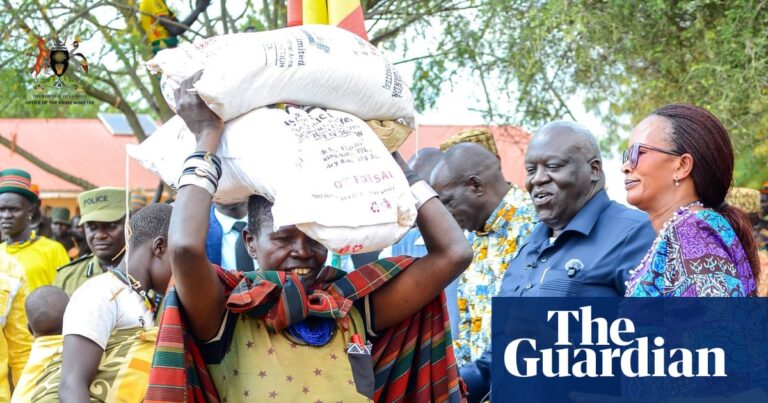
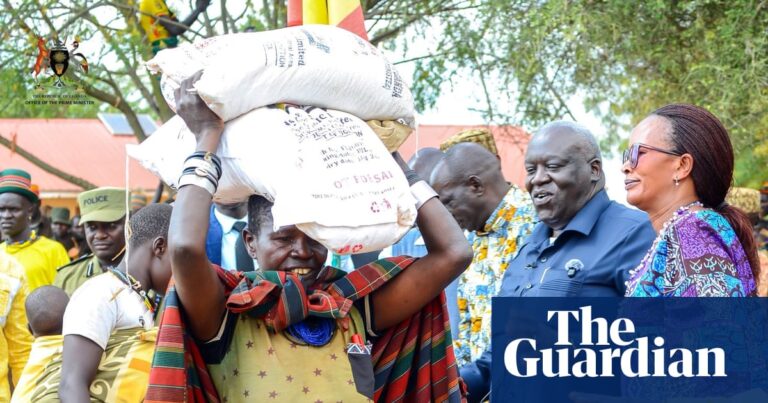
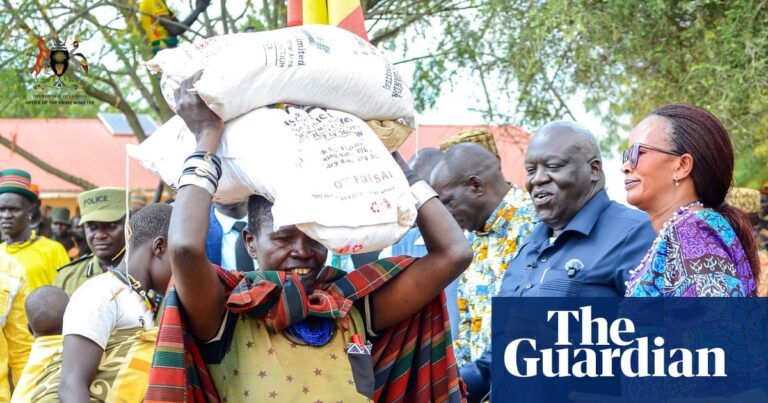
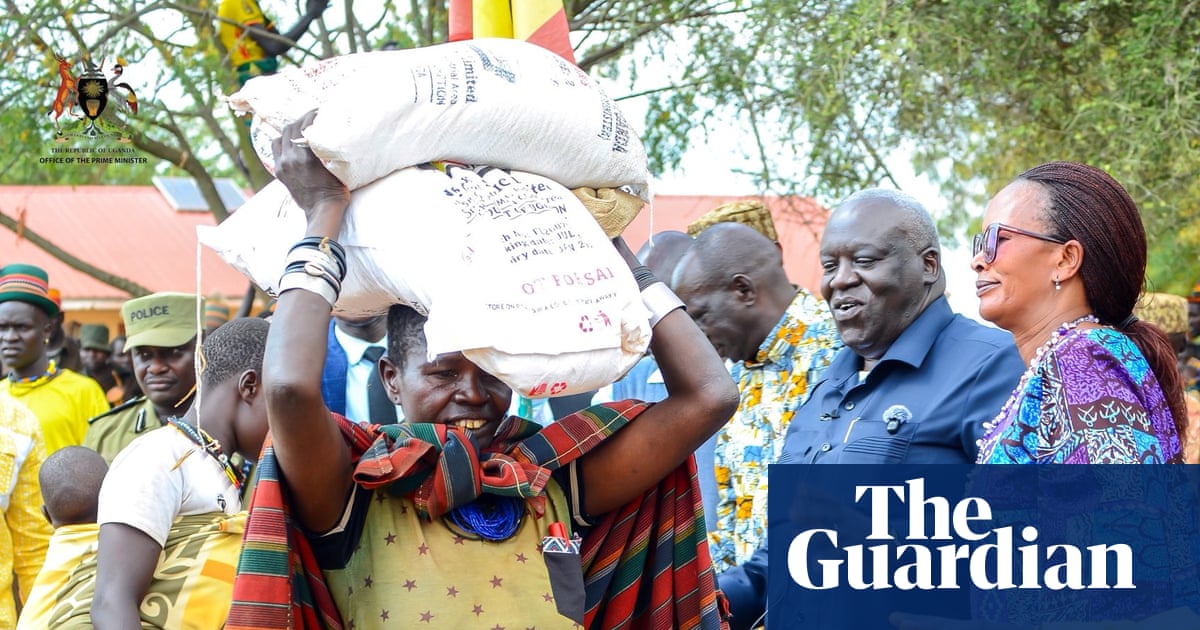
In a decisive move, the Ugandan government has mobilized its resources, announcing a large-scale operation to distribute 9,400 tonnes of relief food over the next sixty days. This monumental effort, funded by a 45-billion-shilling (£9m) emergency allocation from parliament, marks the first significant intervention of its kind since foreign aid cuts created a substantial funding vacuum. Sam Engola, the Minister for Disaster Preparedness and Refugees, personally oversaw the launch of aid distribution at a primary school in Lodiko, Kaabong district.
“The president expects no one in Karamoja to die of hunger,” Engola declared with conviction. “I am here to supervise this distribution to its very conclusion. Every single person will receive food. Not one individual will be overlooked.”
Yet, behind the statistics and ministerial assurances lies the agonizing human cost. Angelina Nakiru, a 21-year-old mother of two residing in Rupa, just outside Moroto town, embodies the daily struggle. Her crops, like so many others, completely failed. Each dawn, she joins other women at a small-scale grinding mill, enduring dusty, exhausting work crushing rock for meagre gold-bearing ore. “It’s the only means I have to earn enough for a cup of maize and beans to feed my children,” she confided. “If I fail, they sleep hungry. Many nights, we all go to bed on empty stomachs.” Her plea echoes the desperation of millions: “The situation is dire. People are starving, succumbing to hunger. The government must act definitively.”
Local health facilities are overwhelmed, reporting hundreds of children receiving treatment for severe malnutrition. A recent nutrition report from June paints a grim picture, revealing that nearly half the population in Kaabong and Kotido districts are grappling with crisis-level food insecurity.
Experts point to a confluence of factors perpetuating this recurring Karamoja hunger crisis. Climate change-induced shocks, manifest in erratic rainfall patterns and prolonged dry spells, are exacerbated by environmental degradation from deforestation and overgrazing. Compounding these issues are entrenched poverty and inherently low agricultural productivity across the region.
While the immediate relief of food aid is paramount, the government asserts its commitment to long-term solutions. The recently approved Karamoja regional development plan aims to fortify communities against future droughts. John Baptist Lokii, Minister for Karamoja, highlighted plans to supply drought-resistant, disease-resistant, and early-maturing seeds before the next planting season.
Agnes Kirabo, Executive Director of Uganda’s Food Rights Alliance (FRA), noted a significant shift in the humanitarian aid landscape. With substantial funding cuts, particularly from USAID, international agencies like the World Food Programme (WFP) have drastically scaled back operations. WFP, for instance, has ceased food assistance for 63% of Uganda’s refugee population, impacting over a million people. This necessitates government leadership, a move Kirabo views as potentially positive, provided it integrates into a sustainable, nationally-owned development strategy.
“Emergency food distribution saves lives, but it is not a permanent fix,” Kirabo emphasized. “To break this cyclical pattern, we must address the root causes of food insecurity through fundamental structural reforms.” The FRA advocates for food access as a basic human right and urges strategic investment in water infrastructure and climate resilience. “Karamoja possesses ample rainfall and water sources for self-sufficiency; it simply requires the political will to invest strategically,” she added.
Ultimately, the dire situation, the persistent Karamoja hunger crisis, is fundamentally a governance challenge. While the government’s leadership in this emergency is a welcome start, it must be matched by unwavering political resolve to implement the systemic transformations necessary to permanently shield the people of Karamoja, and indeed all of Uganda, from predictable and preventable hunger.
About the Author