
Break Silos, Work With Shared Purpose: PM Modi’s Message To Bureaucrats For Viksit Bharat Goals
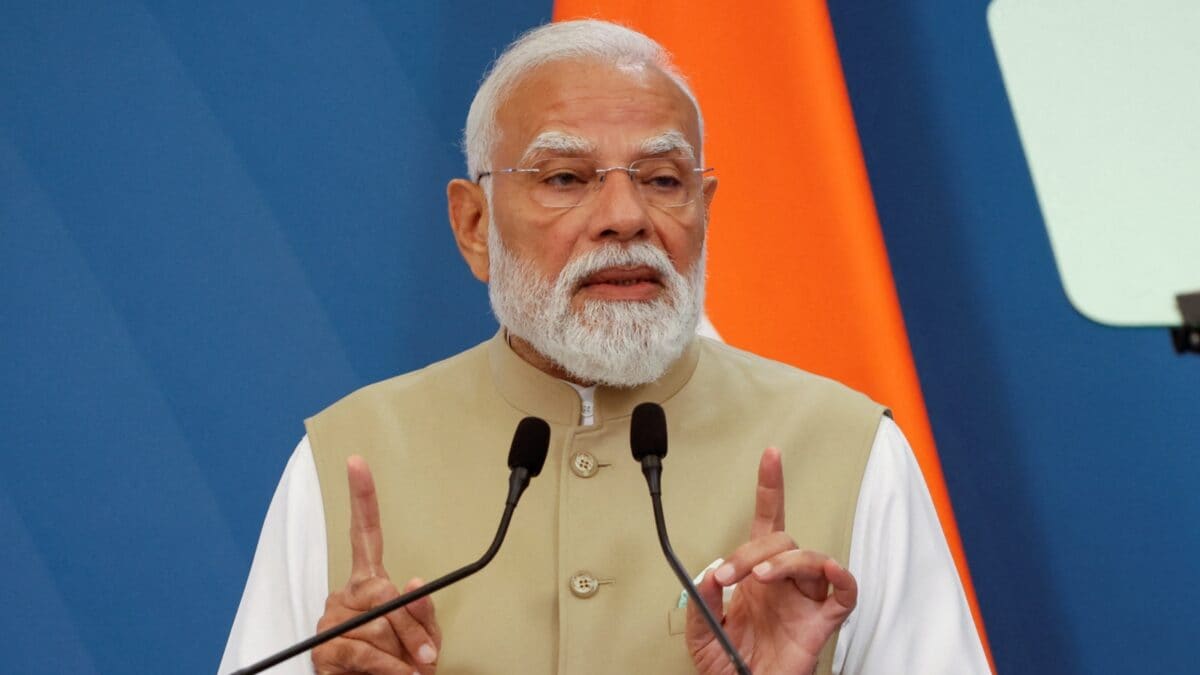
New Delhi buzzed with anticipation as Prime Minister Narendra Modi convened a critical high-level meeting with Secretaries to the Government of India. At his 7, Lok Kalyan Marg residence, the Premier chaired the second such session, meticulously reviewing the future action agenda for ministries spanning finance, economy, commerce, industry, and the burgeoning technology sectors. The unequivocal message delivered was clear: break down departmental silos and cultivate a shared sense of purpose to accelerate India’s journey towards its ambitious Viksit Bharat Goals.
Forging a United Path to Viksit Bharat Goals
During the pivotal Tuesday discussion, the Prime Minister underscored the paramount importance of cohesive team building. He urged officials to operate with an unyielding collective vision, emphasizing the urgent need to dismantle both horizontal and vertical organizational barriers. The goal? To ensure ministries and departments collaborate seamlessly, delivering integrated outcomes that genuinely benefit citizens.
Modi asserted that citizen-centric governance must remain the bedrock of policymaking. “The people of India must remain at the centre of governance,” he declared, reiterating that every single policy decision should be meticulously guided by the welfare and profound expectations of ordinary Indians.
Catalyzing Indigenous Growth and Energy Security
While India embarks on monumental infrastructure development, the Prime Minister stressed that an equally robust focus must be directed toward nurturing indigenous technological capabilities. He highlighted the strategic imperative of technological self-reliance across critical sectors, advocating for a fervent strengthening of domestic innovation. Furthermore, Modi painted a vivid picture of the inextricable link between energy security and national security, economic stability, and public welfare. He insisted that India must aggressively pursue self-reliance in the energy domain through audacious innovation, intelligent diversification, and rapid capacity expansion.
Embracing Continuous Reform and Digital Fortification
Reforms, the Prime Minister elucidated, are not merely a temporary agenda but a continuous, evolving necessity. He exhorted ministries to ceaselessly improve processes, fortify institutional efficiency, and elevate the work culture across all government departments. Governance systems, he noted, must remain remarkably agile and profoundly responsive to an ever-shifting landscape of challenges.
With digital technologies now interwoven into the fabric of daily life, PM Modi’s attention turned sharply to cybersecurity. He underscored the critical need to bolster India’s cybersecurity infrastructure and maintain unwavering vigilance against sophisticated, evolving cyber threats. Encouraging greater participation from young innovators and entrepreneurs, he envisions cybersecurity transforming into a comprehensive nationwide movement. The Prime Minister also pointed to the vital role of proactive communication in strategic sectors, asserting that timely outreach is indispensable for countering misinformation and addressing unfounded concerns.
Bridging Academia and Industry for Future Prosperity
Recognizing the dynamic demands of a rapidly evolving economy, PM Modi advocated for a paradigm shift in academic program design. He proposed that new curricula be crafted in close partnership with industry, specifically tailored to equip students and professionals with the precise skills required by emerging and future industries. Governments themselves, he opined, must emulate this adaptability, remaining youthful, dynamic, and forward-looking, continuously seizing new opportunities through innovation and flexibility.
The extensive review, attended by the Cabinet Secretary, Secretaries of key ministries, and senior officials from the Prime Minister’s Office, included detailed presentations on progress, priorities, and implementation hurdles. This concerted drive reinforces India’s national vision for a developed and prosperous future.