
Anti-LGBTQ+ laws are on the rise across west Africa, campaigners warn
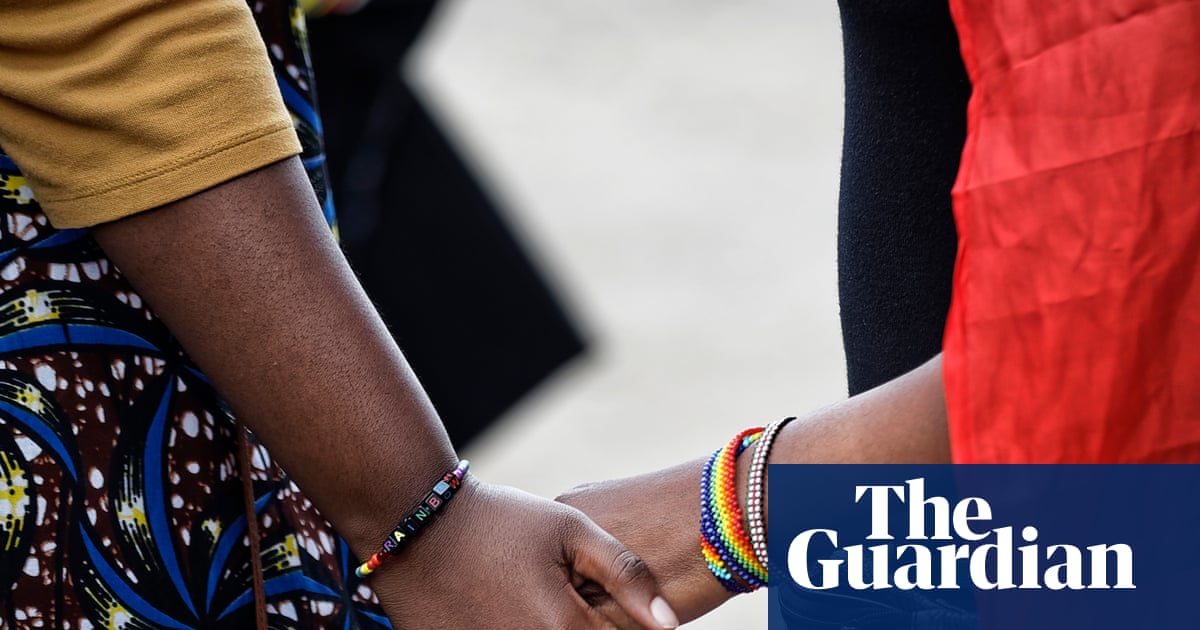
A disturbing wave of anti-LGBTQ+ legislation is sweeping across West Africa, casting a grim shadow over human rights and exacerbating vulnerabilities for marginalized communities. Campaigners are sounding the alarm, accusing regional leaders of exploiting prejudices for political gain as West Africa LGBTQ+ laws become increasingly punitive.
From the bustling markets of Senegal to the arid plains of Niger, countries are either enacting entirely new prohibitions or significantly toughening existing ones. This alarming trend is fueled by complex local political pressures, often intertwined with a broader global pushback against LGBTQ+ rights, creating a volatile environment for countless individuals.
The Shifting Legal Landscape in West Africa
The pace of this legislative shift is breathtaking. Just this March, Senegal drastically increased the maximum prison sentence for same-sex relations to a staggering 10 years, further criminalizing the ‘promotion’ of homosexuality. Niger, which had previously not outlawed same-sex intimacy, criminalized ‘sexual relations with a person of the same sex’ in February. These moves mark a dark turning point for civil liberties in the region.
Neighboring nations, Mali and Burkina Faso, both under military rule, also criminalized same-sex relations for the first time within the last two years. These actions highlight a troubling pattern among military juntas who appear to leverage anti-LGBTQ+ sentiment to consolidate power and deflect from other national issues.
Ghana, a country that already outlawed gay sex, passed a bill in June criminalizing LGBTQ+ ‘activities’. Though awaiting presidential assent, this legislation is merely the latest iteration of efforts that began as early as 2021, showcasing a persistent, targeted campaign against LGBTQ+ individuals.
Behind the Crackdown: Political Expediency and External Influence
Anthony Oluoch of Pan Africa ILGA, a prominent continental LGBT+ rights group, views these developments with profound concern. “What I see in all of them is a political opportunism,” he stated, underscoring the cynical nature of the legislative surge. In many instances, these new or harsher laws find backing from powerful religious groups and campaigns promoting ‘family values’. Burkina Faso, for example, framed its law as a declaration of sovereignty, subtly pitting it against perceived Western influences.
This domestic rhetoric is not an isolated phenomenon; it’s reinforced by transnational actors. Conservative Western Christian organizations have notably influenced anti-LGBTQ+ campaigns. The African Inter-Parliamentary Conference on Family Values and Sovereignty, a forum widely believed to shape such legislation, is slated for Burkina Faso and Eswatini next year. Past conferences, hosted in Uganda, coincided with that nation imposing the death penalty for some same-sex acts.
Organizations like the US-based Family Watch International (FWI) and the Dutch-founded Christian Council International actively support these gatherings, promoting agendas that condemn abortion, comprehensive sex education, and assert a binary view of gender. Their influence is undeniable, as evidenced by the draft African Charter on Family Sovereignty and Values treaty drawn up at Ghana’s conference this year, echoing these very stances. These concerted efforts contribute significantly to the escalating West Africa LGBTQ+ laws.
Devastating Human Cost and Hindered HIV Prevention
The ramifications for the LGBTQ+ community are nothing short of devastating, often preceding the full implementation of new laws. Activists report horrifying accounts: 13 transgender women were detained without trial last year in one country, allegedly beaten by military units. In Burkina Faso, multiple convictions have followed the new law’s passage. Police are reportedly entrapping individuals via social media, coercing them to denounce others, forcing many to flee their homes and even their countries. The human cost of these increasingly restrictive West Africa LGBTQ+ laws is immense.
Beyond personal security, these crackdowns severely impede critical public health initiatives. In Senegal, for example, the new laws are actively hindering HIV prevention efforts for men who have sex with men and transgender women—populations disproportionately affected by higher HIV prevalence rates. Activists and lawyers attempting to support LGBTQ+ people also face immense risks. The fear is palpable, pushing vital health services further underground and endangering lives.
As activists continue to navigate this increasingly hostile environment, the international community watches with growing concern, urging leaders to uphold fundamental human rights rather than using vulnerable populations as political pawns. For more information on global LGBTQ+ rights, visit a global human rights organization like Human Dignity Trust.