
Uncertainty on Iranians’ minds as Trump fluctuates on war and talk
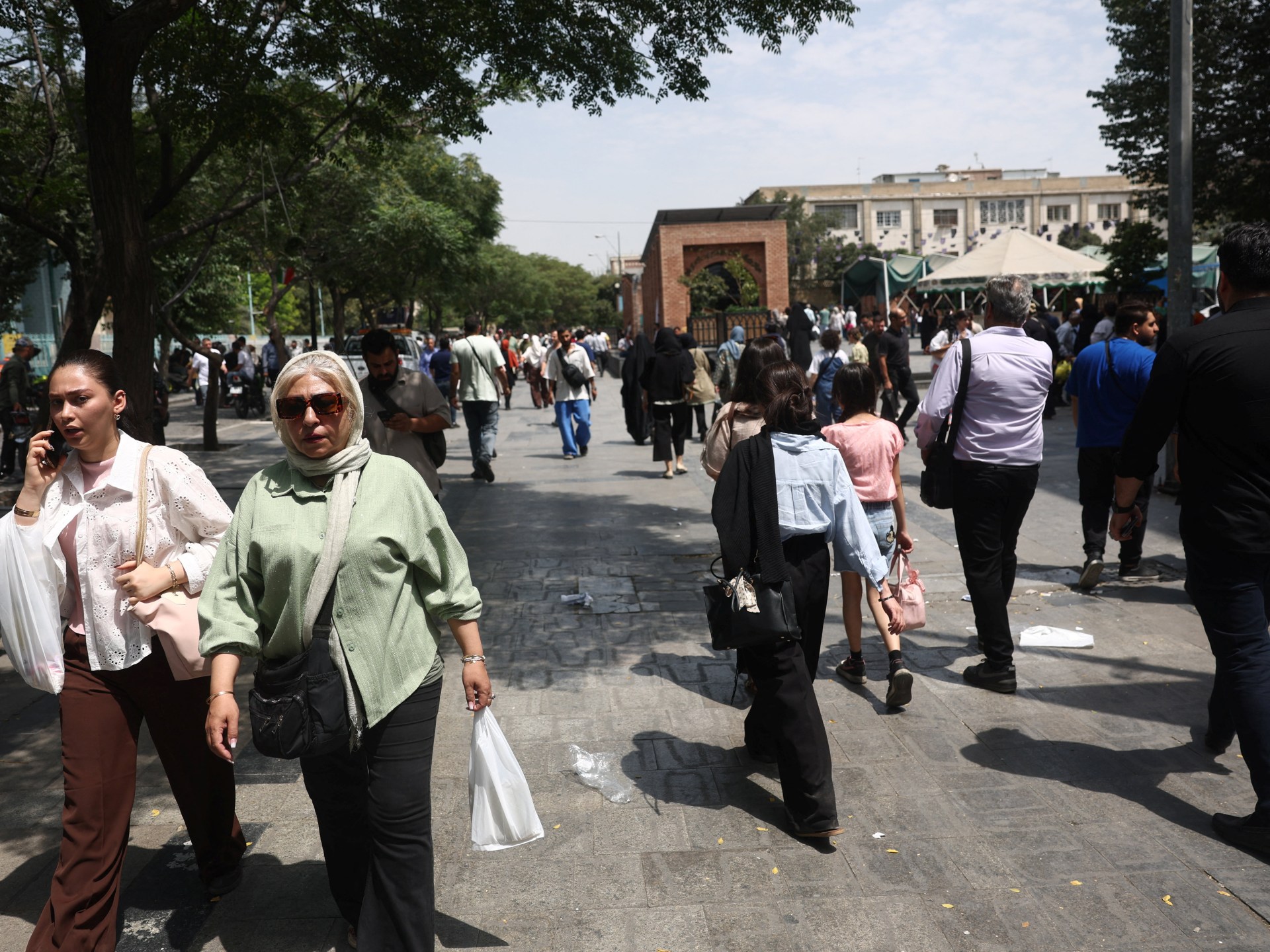
TEHRAN, Iran – A palpable sense of Iran uncertainty continues to grip the nation as US President Donald Trump’s rhetoric on conflict and negotiation fluctuates wildly. For months, his pronouncements have swung from dire threats of ‘massive attacks’ to unexpected overtures for dialogue, creating a dizzying landscape for everyday citizens. But for many, like Faezeh, a 27-year-old financial firm employee in Tehran, the non-stop headlines have become a toxic echo chamber she actively tries to escape. She focuses on what she can control, shielding herself and her loved ones from the relentless, often contradictory, news cycle.
Faezeh is far from alone in this strategy. As the escalating tensions near their six-month mark, an increasing number of Iranians are intentionally disengaging from the constant media flurry, prioritizing their mental well-being. The recent threat of extensive US military action, while serious, notably failed to ignite the same level of widespread anxiety observed in April, when President Trump chillingly warned that ‘a whole civilisation will die tonight’ only to announce a ceasefire mere hours later. Such dramatic reversals have, for many, dulled the impact of subsequent threats.
“The US used to have presidents who talked less and did more,” mused Roham, a colleague of Faezeh’s. “But now, with the pervasive influence of social media and other platforms in which Mr. Trump is so adept, he speaks volumes yet delivers less substantial action.” For Roham, the deeper concern isn’t just Trump’s inconsistent policy-making, but the lack of internal space for diverse voices within Iran itself. He sees no immediate prospect for change on that front, leaving Iranians adrift in a sea of pervasive Iran uncertainty.
Economic Fallout of Iran Uncertainty
Faezeh dismisses Trump’s public statements as a “repetitive loop,” primarily engineered to manipulate global markets. She firmly believes that anyone issuing such frequent and contradictory remarks loses all credibility. Looking ahead, she anticipates a significant worsening of the economic climate, including a further devaluation of Iran’s national currency. Indeed, the Iranian rial recently traded at approximately 1.91 million against the US dollar in Tehran’s open market, teetering near an all-time low. This downward spiral followed a brief rally in mid-June, triggered by a now-suspended agreement between Iran and the US facilitated by regional mediators.
Trump, ever eager to highlight economic pressures, boasted on social media about the rial’s decline this week, showcasing a diagram claiming he was “destroying Iran’s currency” and pointing to “massive inflation.” Official figures corroborate a challenging economic picture, with the Statistical Center of Iran reporting an inflation rate of nearly 90 percent for the calendar month ending July 22, compared to the same period last year. Ali, a product manager at a Tehran tech company, deduces Trump’s statements are largely driven by concerns over stock markets and oil prices, indicators he himself now monitors to decode the US President’s intentions. “My view is that Trump won’t undertake any serious action in terms of hitting energy infrastructure or launching a ground attack against Iran at least until the Congress elections,” he predicted, referring to the November polls. “He will keep playing this game and going back and forth.” Ali believes Trump desires a deal he can frame as a victory, but the specter of war will likely persist for months, fueled by this ongoing Iran uncertainty.
Following reports of a potential “massive attack” on Iran, Trump announced on Sunday that mediator-facilitated talks with Tehran representatives would commence on Monday. Iran’s Ministry of Foreign Affairs, however, countered by stating that negotiations regarding the Strait of Hormuz were in their final stages with Oman, not with the United States. These latest contradictory comments even made their way onto Iranian state television. During a hardline, war-focused program, Foreign Ministry spokesman Esmaeil Baghaei was asked whether the Trump administration’s claim that Tehran had implicitly requested no attacks on energy infrastructure, preferring negotiations, was true. Baghaei expressed surprise at the weight given to US official comments, which he claimed had repeatedly proven baseless, reaffirming the Islamic Republic’s unwavering “principled positions.”
These core positions include maintaining significant control over the Strait of Hormuz, resisting major concessions on the nation’s nuclear program, and supporting the “axis of resistance” throughout the region. For any sustainable long-term agreement, Tehran also demands the comprehensive lifting of crippling US sanctions that have severely impacted Iran’s economy over the past decade. State TV continues to urge citizens to remain prepared for a potential resumption of conflict, as hardline factions firmly reject any negotiated solution with Washington. An analyst on state television earlier this week outlined a combination of potential US strategies, should a large-scale war resume, including assassinations, infrastructure attacks, fostering internal unrest, border clashes, and a ground offensive in southern Iran. For a deeper dive into broader international affairs, resources from the Council on Foreign Relations offer comprehensive analysis.
On Monday, Iranian President Masoud Pezeshkian reiterated his support for a deal, declaring his belief that the memorandum of understanding signed with the US in June will serve as “the center of gravity of our foreign relations in the future.” He posted on social media, “We must strive to compel the enemy to remain committed to what it has signed. The security of the country, the region and our allies will be enhanced by this memorandum.” Just hours later, Trump issued yet another declaration on his Truth Social platform: “Nothing gets through to Iran, unless we want it to, and nothing will get through, unless a Deal, or Total Surrender, is accomplished,” referring to the US blockade on Iran’s southern ports. “Whether Iran wants to admit it or not, we are, in fact, talking of a solution to a problem that they have caused, for decades.”