
What would it take for the Yemen offensive to succeed?
Introduction & Key Takeaways
The geopolitical landscape of the Middle East is currently witnessing a significant shift as the internationally recognized Yemeni government launches its latest counter-offensive, dubbed the Dawn of Yemen. This operation represents the most substantial escalation in the region since the 2022 truce, marking a transition from a frozen conflict to an active attempt to redraw territorial boundaries. Analyzing the Yemen offensive requires moving beyond surface-level military gains to understand the complex web of regional influence, energy security, and internal political cohesion.
- The offensive aims to secure the Red Sea, a critical artery for global trade and energy transit.
- Military success is contingent upon the government’s ability to maintain unified command structures.
- Humanitarian concerns remain a critical factor that could limit international support for the ongoing campaign.
- The Houthis face a strategic disadvantage in coastal terrain compared to their traditional northern highland strongholds.
Background & Context (What Just Happened?)
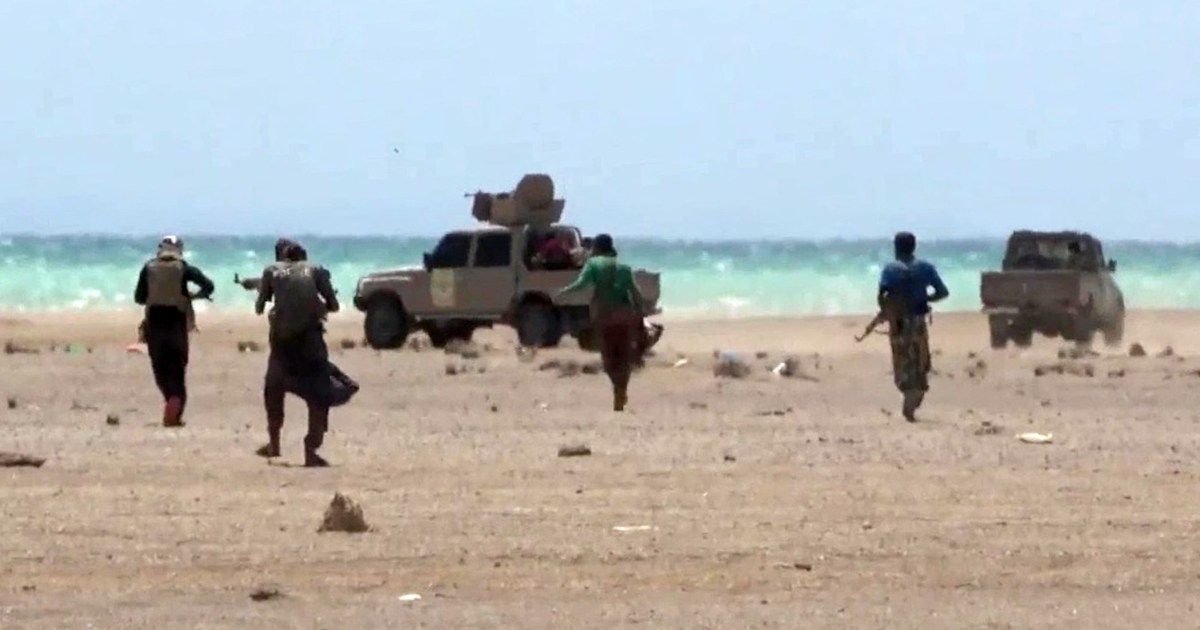
For nearly four years, the conflict in Yemen was largely defined by a stalemate. However, two days after the launch of the Dawn of Yemen operation, forces aligned with the government successfully recaptured territory near the Bab al-Mandeb strait. This area is not merely a geographic location; it is a vital choke point for the global economy. As noted in historical records of the region, control over these coastal routes has long dictated regional power dynamics.
The Saudi-led coalition has provided substantial support, deploying nearly 100 fighter jets to bolster government positions. This massive investment underscores the existential threat posed to regional infrastructure, particularly as the Houthis continue to challenge Saudi-linked maritime and domestic assets.
Root Cause & Deep Dive Analysis (Why Did This Happen?)
The necessity of the Yemen offensive is rooted in the strategic vulnerability of the Arabian Peninsula. With Iran disrupting shipping lanes near the Strait of Hormuz, the Red Sea has become the primary lifeline for Gulf oil exports. A Houthi presence near the Bab al-Mandeb strait effectively allows them to hold global energy markets hostage. While the Houthis possess significant defensive advantages in the rugged northern mountains, the flat Tihama coast is a logistical challenge for them. This terrain forces them away from their traditional tribal networks and leaves their supply lines vulnerable to persistent aerial surveillance and strikes.
However, military prowess is only one part of the equation. As discussed in recent reports regarding internal political tensions and leadership challenges, the ability to sustain a front line depends on political legitimacy. The anti-Houthi coalition is currently plagued by fragmented leadership, with various brigades answering to different regional patrons.
Strategic Implications & Future Impact (What Does This Mean Globally?)
The broader goal of this operation is to shift the Houthis’ cost-benefit analysis. By pressuring multiple fronts, including Taiz and Marib, the government hopes to stretch Houthi resources beyond their limit. This, however, is a high-stakes gamble. If the government fails to provide governance and salary payments in recaptured territories, the military gains will prove ephemeral. The international community is closely monitoring this situation, especially as the humanitarian crisis worsens. With record numbers of displaced persons and a burgeoning cholera outbreak, the campaign must balance military necessity with the moral imperative to avoid a catastrophic civilian toll.
Conclusion & What to Watch Next
Ultimately, the success of the Yemen offensive hinges on whether it can force a shift toward a mutually hurting impasse, creating conditions ripe for genuine negotiation. If government forces can secure the coast and consolidate their hold on key logistical routes, they might finally weaken the Houthis’ narrative of inevitable victory. Conversely, failure to maintain cohesion will only serve to harden the conflict. Observers should watch for movement on the Taiz-Aden road and the establishment of local administration in liberated zones as key indicators of the operation’s long-term viability.