
Germany warns of ‘daily hybrid warfare’ after explosive-laden drone found
A chilling pronouncement from Berlin has cast a stark light on the escalating security landscape across Europe. Germany’s Interior Minister has declared the nation a daily target of sophisticated “hybrid warfare,” a grim reality underscored by the recent discovery of an explosive-laden drone at a major airport. This revelation thrusts the concept of hybrid warfare Germany faces into sharp focus, forcing an urgent re-evaluation of national defenses.
Alexander Dobrindt, speaking to Bild am Sonntag, painted a picture of relentless, covert aggression. He explicitly stated that foreign powers are actively seeking to undermine Germany both politically and socially, sowing fear and instability. “We’re not at war in the traditional sense,” Dobrindt clarified, “but we are the daily target of hybrid warfare. Espionage, sabotage, cyberattacks, and clandestine operations aimed at destabilising Germany or inflicting direct harm are a constant reality.” Though he refrained from naming specific culprits, the implications were clear.
Addressing Hybrid Warfare Germany’s Defenses
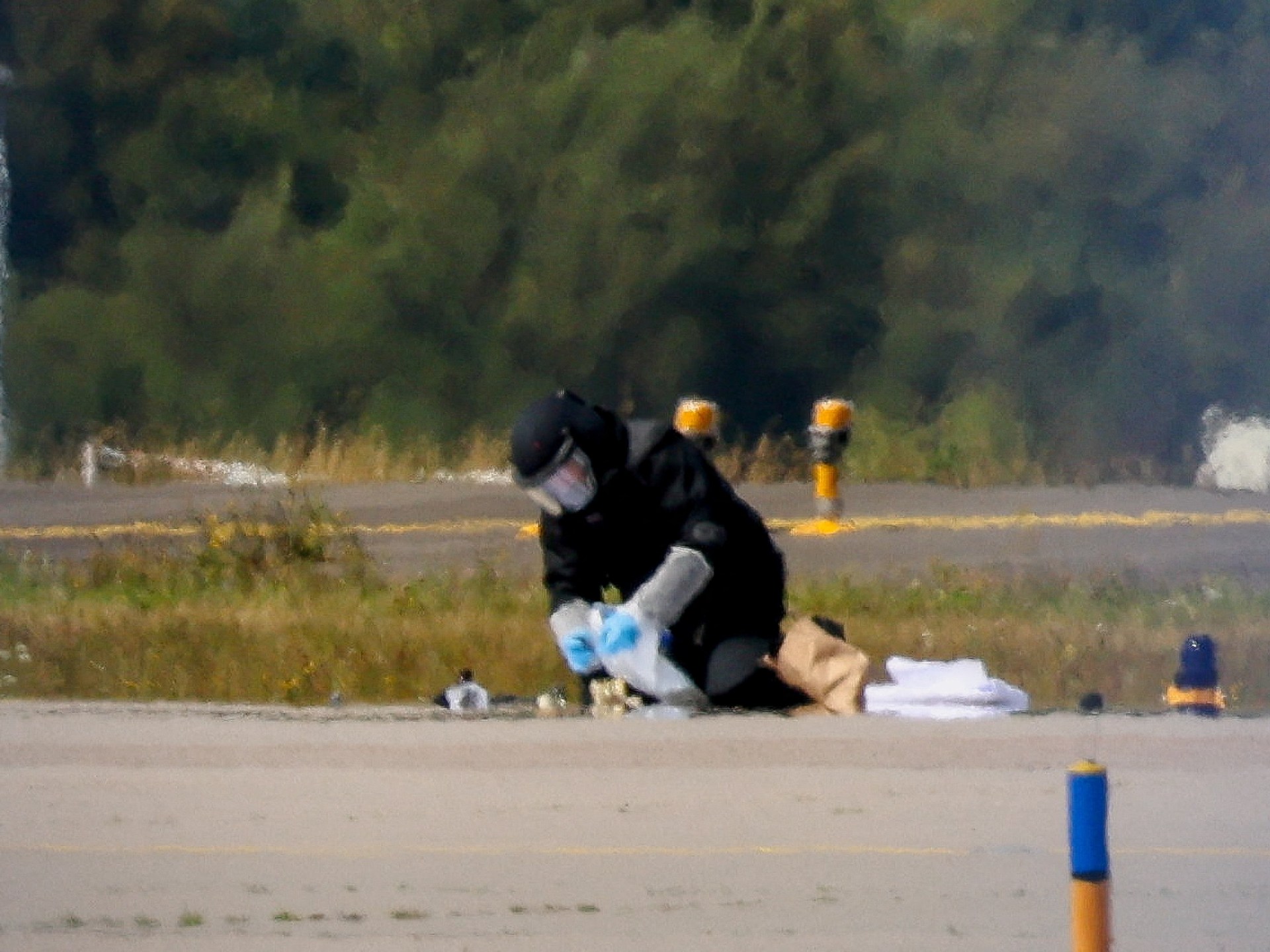
The minister’s unsettling remarks follow closely on the heels of a disturbing incident: a drone packed with explosives was found near a runway at Leipzig/Halle Airport. This alarming discovery, made just days prior, immediately sparked a flurry of speculation. Certain German lawmakers swiftly pointed fingers at Russia, a nation locked in a protracted conflict with Ukraine since its 2022 invasion. However, the Russian embassy in Berlin was quick to dismiss the Leipzig event as a “fabricated provocation,” rejecting what it called unsubstantiated accusations against Moscow.
In response to these escalating threats, Germany is reportedly accelerating plans to bolster its anti-drone capabilities. Bild, citing government sources, indicated Dobrindt’s ministry aims to significantly expand its team of federal anti-drone experts, effectively doubling their numbers from 150 to 300. Furthermore, the network of related bases is slated to increase from four to eight, a crucial measure to counter the pervasive nature of hybrid warfare Germany now contends with.
These domestic efforts resonate with wider European anxieties. Just last week, two drones were sighted over a German military base in Mechernich. Concurrently, a drone exploded in Bulgaria near the vital Trans-Balkan gas pipeline, though Bulgarian authorities downplayed intentionality. Such incidents have reignited profound concerns that the ongoing conflict in Ukraine could increasingly spill over into neighboring NATO states, demanding enhanced vigilance and coordinated responses from members of the transatlantic alliance. NATO and EU officials have previously attributed similar drone sightings to Russia, allegations consistently denied by Moscow.