
Sudan’s al-Burhan pledges immunity for dialogue, rules out Hemedti return
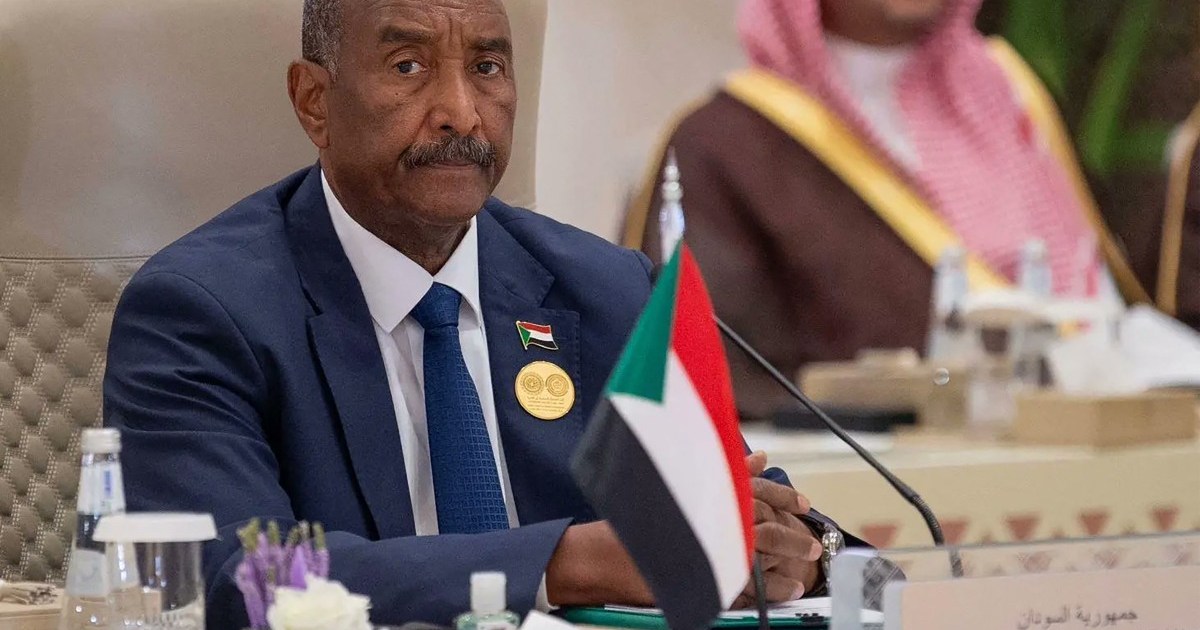
In a pivotal development for the war-torn nation, Sudan’s de facto leader, General Abdel Fattah al-Burhan, has extended an unprecedented offer: temporary immunity and comprehensive legal safeguards for participants engaging in a proposed national Sudan Dialogue. Speaking during celebrations marking the 72nd anniversary of the Sudanese Armed Forces, al-Burhan articulated a pathway to peace, yet coupled it with an emphatic rejection of the Rapid Support Forces (RSF) leader Mohamed Hamdan Dagalo, known as Hemedti, returning to power.
Al-Burhan clarified that this isn’t a blanket pardon. Rather, it represents a crucial suspension of criminal proceedings against those facing charges, specifically designed to foster an environment of trust for dialogue participants. He underscored that this measure, while granting temporary immunity, would not in any way compromise the rights of individuals who have filed complaints. The national dialogue, he insisted, must unfold as an open-ended process within a public sphere, allowing for uninhibited expression of opinions and critiques, free from fear or coercion.
Further bolstering this commitment, al-Burhan pledged robust legal protection for all views and positions articulated during the sessions, ensuring that statements made would not serve as grounds for subsequent legal prosecution. Intriguingly, this initiative is to be overseen by an independent national mechanism, proposed by a consortium of Sudanese figures, rather than dictated by the state itself, underscoring a potential shift in approach.
Conditions for a Meaningful Sudan Dialogue
However, al-Burhan’s vision for the Sudan Dialogue comes with stark conditions regarding the ongoing conflict. He declared the army’s readiness for any serious peace initiative but drew a firm line against what he termed an “incomplete peace” – one that would reinstate the RSF and its supporters. The path to genuine peace, he asserted, mandates the RSF’s complete withdrawal from cities and their consolidation in designated zones, followed by the safe return of displaced citizens and refugees to their homes.
Only after these prerequisites are met would discussions commence on the future status of RSF fighters, including the potential integration of those not implicated in crimes into the regular forces. Simultaneously, al-Burhan disclosed ongoing discussions with national forces that have supported the state, aiming to involve them in reinforcing government institutions, including the formation of a legislative council.
Adding another layer to the complex political landscape, a delegation from the African Union’s Peace and Security Council recently arrived in Khartoum for a three-day visit, their second since the brutal conflict erupted. Comprising representatives from its 15 member states and led by Algeria, which holds the council’s rotating presidency, the delegation is poised to engage with al-Burhan, Prime Minister Kamil Idris, and various political and civil society groups. This visit follows previous efforts by the AU’s special envoy to Sudan, Mohamed Belaiche, to mediate and facilitate the reopening of the Union’s office in the capital, highlighting the African Union’s steadfast commitment to regional stability.
Sudan, currently suspended from African Union activities since al-Burhan dissolved the Sovereign Council and cabinet in October 2021, has formally requested the lifting of these sanctions, signaling a potential shift towards re-engagement on the broader diplomatic canvas.