
Trump pauses tariffs on Canada, cites pending trade deal
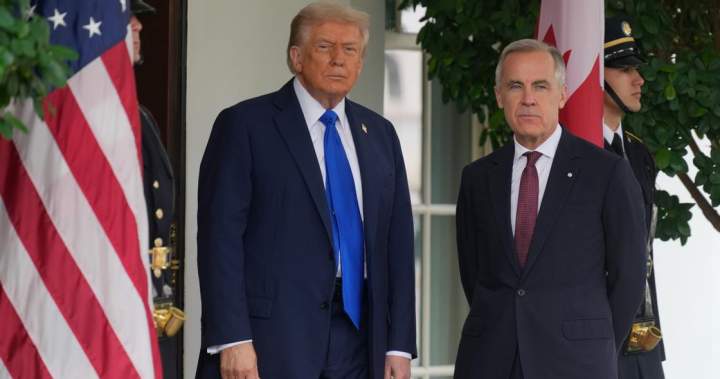
In a dramatic late-night announcement, U.S. President Donald Trump declared a temporary pause on the imposing 50 per cent Canada US tariffs that loomed large over Canadian industries. The eleventh-hour reprieve, communicated via his Truth Social platform, cited a tentative trade deal between the two North American neighbours, averting a potential economic crisis for many Canadian businesses. This sudden development has sparked a flurry of reactions, from cautious optimism to outright skepticism, highlighting the volatile nature of international trade relations under the current U.S. administration.
The tariffs, set to take effect just after midnight, threatened to impact approximately $28 billion worth of Canadian goods, ranging from everyday consumables like honey and wine to crucial industrial products such as steel, aluminum, lumber, and even auto parts. Such punitive measures would have undoubtedly sent shockwaves through the Canadian economy, exacerbating existing pressures and potentially leading to job losses and reduced competitiveness on the global stage. The stakes, in other words, could not have been higher.
The Brinkmanship Unfolds: De-escalating Canada US Tariffs
President Trump’s post, shared Tuesday evening, stated: “I have paused the 50% Tariffs against Canada, that were scheduled to kick in tomorrow morning for a three day period, based on the fact that Canada and the U.S.A., subject to the finalization of documents, have a DEAL! The great Keystone XL Pipeline, long ago killed by Sleepy Joe Biden, may be awoken from the grave! Thank you for your attention to this matter. President DONALD J. TRUMP” This pronouncement, characteristic of the President’s direct communication style, immediately introduced a crucial element into the equation: the controversial Keystone XL pipeline.
Meanwhile, Canadian Prime Minister Mark Carney issued a more measured statement. While acknowledging “substantial progress” in the trade negotiations, Carney prudently cautioned that “important work still needs to be done.” He confirmed Washington’s agreement to postpone the tariffs until the end of August 21, allowing further talks to solidify the agreement. This disparity in tone underscores the delicate tightrope walk Canadian negotiators, led by Trade Minister Dominic LeBlanc and chief negotiator Janice Charette, have been performing in Washington, D.C.
The Keystone XL Factor in Trade Dynamics
The re-emergence of the Keystone XL pipeline as a central bargaining chip is particularly noteworthy. The project, designed to transport oil from Alberta to refineries in Nebraska, has been a political football for years. Former President Joe Biden famously revoked its permit on his first day in office, a decision Trump, upon returning to office, quickly moved to overturn with executive orders aimed at reviving segments of the initiative. The President’s explicit mention of the pipeline in his Truth Social post strongly suggests that its future was a significant component of the high-stakes discussions. For Canada, a secure route for its vast oil reserves to the U.S. market represents considerable economic leverage, making the pipeline’s status a perennial point of contention and negotiation. Its potential reactivation represents a significant win for Canada’s energy sector and for Alberta specifically, providing much-needed stability and economic impetus.
Economic Repercussions and the Urgency of Avoiding Canada US Tariffs
The spectre of 50 percent tariffs had cast a long shadow over Canada’s manufacturing sector and broader economy. A July 2026 KPMG Canada survey ominously revealed that 42 per cent of Canadian manufacturing companies had either moved or were actively considering relocating production to the United States. Recent high-profile departures, such as Algonquin Power moving its headquarters from Oakville to Chicago, and whispers about Stellantis potentially following suit, painted a grim picture. Such movements signal a profound lack of confidence and underscore the vulnerability of Canadian industries to trade uncertainties. The comments section of the original article, though often rife with partisan jabs, also captured genuine anxieties from citizens and businesses concerned about economic recovery and the future stability of the nation.
Beyond the manufacturing sector, the proposed tariffs threatened a diverse array of Canadian exports. From the rich honey of BC farms, to the robust wines of Niagara and Okanagan, and the iconic hockey sticks beloved worldwide, few sectors would have been spared. Canadian officials were not only fighting to prevent new tariffs but also seeking relief from existing ones on critical goods like steel, aluminum, and lumber, which have already impacted the profitability and sustainability of these vital industries. The cumulative effect of sustained trade disputes can be devastating, eroding investor confidence and deterring foreign investment essential for economic growth.
A Tentative Agreement and Lingering Questions
While the immediate threat of new tariffs has been diffused, the precise details of the “deal” remain largely undisclosed. This lack of transparency, coupled with Prime Minister Carney’s cautious tone, leaves many questions unanswered about what concessions, if any, Canada made to secure this temporary peace. The past has shown that agreements with the current U.S. administration can be fluid, subject to sudden shifts and renegotiations. The “finalization of documents” mentioned by President Trump indicates that the road ahead is still fraught with potential pitfalls, and a permanent resolution is far from guaranteed.
The three-day pause offers a much-needed breathing room for negotiators to hammer out the specifics and solidify what has, so far, only been described as “substantial progress.” The world watches closely, aware that the dynamics of North American trade have profound implications not just for the two countries involved, but for global supply chains and international economic stability. The current situation highlights the intricate dance of diplomacy and economic strategy required to navigate an increasingly complex geopolitical landscape.