
‘Jantar Mantar Protests Reflect System Failure, Not Just Corruption’: RSS Flags Wider Gen Z Concerns
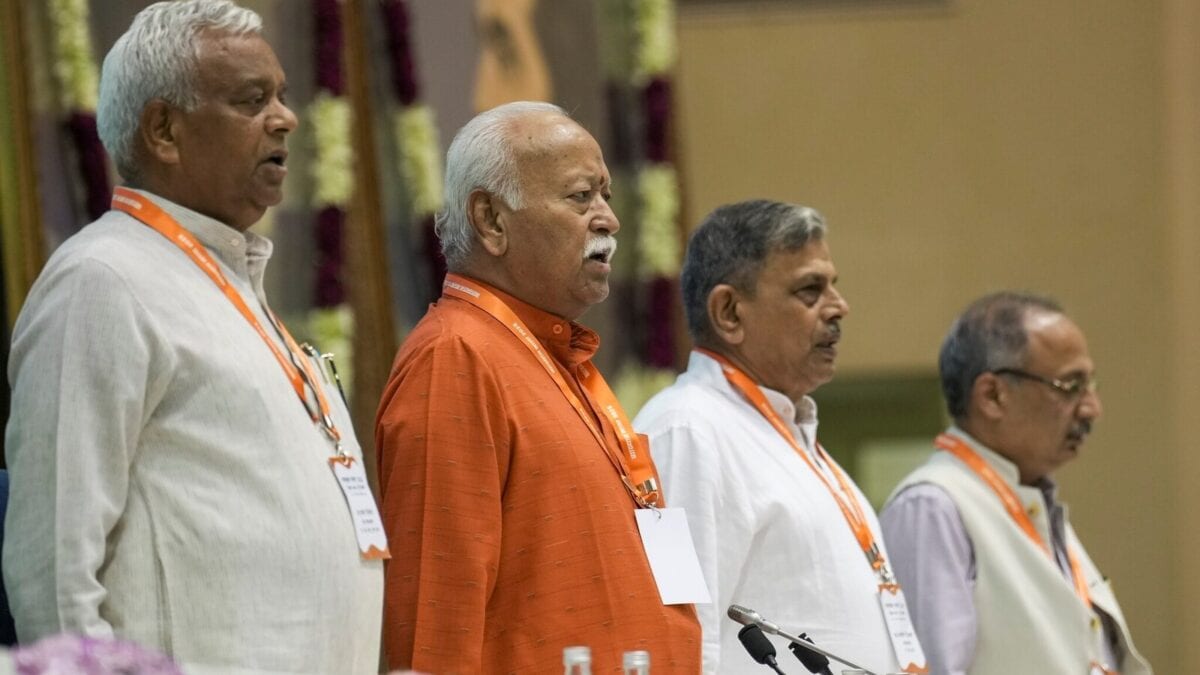
NEW DELHI – The recent protests at Jantar Mantar, a historical site synonymous with public demonstrations in the heart of India’s capital, have been interpreted by the Rashtriya Swayamsevak Sangh (RSS) as far more than mere expressions of dissent against corruption. During its comprehensive three-day coordination meeting in Visakhapatnam, the ideological parent of India’s ruling Bharatiya Janata Party declared that these public outpourings signal a profound Gen Z Concerns stemming from a fundamental ‘system failure’ rather than isolated instances of malfeasance. This astute observation underscores a critical shift in understanding the motivations behind contemporary youth activism, suggesting that a deeper societal reckoning is overdue.
The Sangh’s assessment, articulated by CR Mukunda, its joint general secretary, highlighted that such protests frequently originate from pervasive ‘failures or gaps in the system’ that hinder the government and social institutions from functioning optimally. Therefore, the onus is on these bodies to ensure efficacy and proactively address genuine grievances before they escalate into widespread disaffection. It’s a call to action for systemic introspection and reform, moving beyond superficial diagnoses.
The Power of India’s Youth: Addressing Gen Z Concerns
At the core of the RSS’s strategic discussions lies an overwhelming recognition of India’s colossal youth demographic. With an astonishing 35 crore (350 million) young people, the nation’s future inextricably links to their well-being, aspirations, and anxieties. The challenge, as the RSS perceives it, transcends merely pacifying protesters; it necessitates a comprehensive understanding of an entire generation’s hopes, fears, and frustrations. “We cannot look at the youth only through the lenses of Jantar Mantar protest or when they come out on the streets,” Mukunda asserted. “India has nearly 35 crore young people, the task is now to engage with all of them and understand their aspirations and anxieties. We also feel that Bharat’s future is safe and secure inside these young minds.”
This discussion placed particular emphasis on Generation Z, a cohort characterized by its digital fluency, strong sense of justice, and keen awareness of global issues. The RSS believes that mere disruption, while a symptom, offers no lasting resolution. Instead, society must delve into the root causes driving young people to protest, such as the pressing issues surrounding education, equitable opportunities, and stable employment. The National Eligibility cum Entrance Test (NEET), for instance, has frequently been a flashpoint for widespread student dissatisfaction, reflecting broader systemic issues within the education sector. Addressing these complex Gen Z concerns requires a multi-faceted approach, one that acknowledges a rapidly changing socio-economic landscape and responds to it thoughtfully.
RSS’s Strategy: Engagement Beyond Protest
To foster constructive engagement, the RSS intends to leverage its extensive network of over 40 affiliated organisations. Fronts such as Yuva Vibhag, ABVP, Bajrang Dal, and Taruni (the youth wing of Rashtriya Sevika Samiti) are tasked with actively reaching out to diverse segments of young people. This outreach aims not only to understand their concerns but also to involve them more meaningfully in nation-building. The ultimate goal is to help these young individuals align their personal ambitions with a broader national purpose, rooted in India’s rich cultural values.
The underlying philosophy posits that youth engagement cannot be a reactive measure, springing into action only when protests erupt. It must, by its very nature, be a sustained and continuous process, fostering a sense of belonging and participation. This proactive strategy seeks to build a resilient social fabric, capable of integrating the energies and ideas of its vast youth population.
Navigating Demographic Shifts and Global Perceptions
Beyond the immediate focus on youth, the Visakhapatnam meeting also saw significant deliberation on demographic change—a concern rapidly gaining global prominence. Many nations are grappling with declining fertility rates and an aging populace, while India faces its own unique challenges with varying growth and decline rates among different communities. The RSS believes such demographic imbalances can inherently strain social harmony. “Demographic change is a global reality. When the population of one community grows while another declines, it can create an imbalance and put social harmony under stress,” Mukunda elaborated, stressing that the solution lies not in confrontation but in understanding, corrective measures, and preserving societal cohesion. For a deeper understanding of population dynamics, one might consult authoritative demographic reports worldwide. (United Nations Population Division)
This holistic view of social change extends to the RSS’s increasing global outreach. Recent engagements by RSS chief Mohan Bhagwat, including his notable address at Madison Square Garden and meetings with community leaders in major global cities like Toronto and London, are part of a concerted effort to foster a more informed understanding of India, Hindu society, and the RSS itself among international audiences. The organization seeks to counter what it perceives as misleading narratives that have gained currency abroad. By directly engaging with communities and mainstream opinion-makers, the RSS aims to shape a more nuanced global conversation around a dynamically evolving India.
Effectively addressing these complex Gen Z concerns and navigating demographic shifts are paramount for India’s future. The Centre’s directive for an audit of UGC-NET exam processes highlights the immediate need for robust systemic responses to issues that directly impact young people’s educational and career trajectories. The RSS’s call for sustained engagement, understanding, and constructive avenues for participation is a crucial step towards harnessing the immense potential of its youth and ensuring a stable, harmonious future for the nation. This long-term vision aims to empower the younger generation, integrating them fully into the national narrative and driving progress across all sectors, including initiatives like promoting women empowerment and education.