
Open-air cinema brings movie nights back to Khartoum
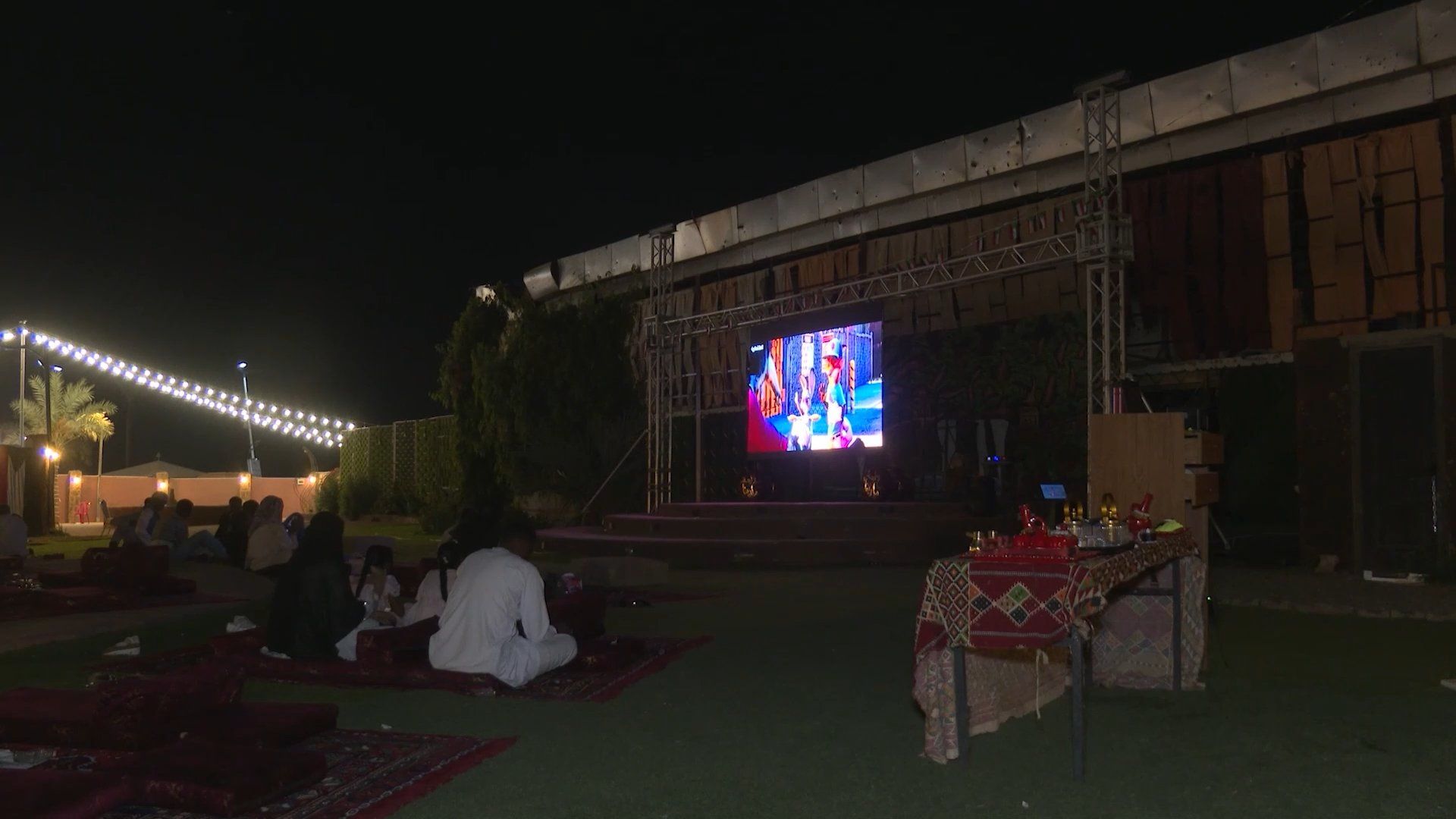
In the embattled heart of Khartoum, a beacon of normalcy has flickered to life, offering its weary residents a much-needed reprieve from the ceaseless rumble of conflict. The emergence of an relentless conflict has made daily life an arduous struggle, yet families are now rediscovering the simple joy of shared cinematic experiences at a new open-air cinema. This initiative, bravely spearheaded by local organizers, aims to bring back cherished movie nights, transforming dust-laden evenings into momentary escapes from the grim realities of war. The revival of the Khartoum Open-Air Cinema is more than just entertainment; it’s a testament to human resilience and the enduring power of culture amidst chaos.
The capital city, once a vibrant hub, has been ravaged by months of intense fighting, leaving its infrastructure shattered and its populace deeply traumatized. For countless individuals and families, the journey to this unique screening space represents a pilgrimage towards a sliver of peace. Here, under the vast African sky, surrounded by familiar faces, they can momentarily forget the distant sounds of gunfire and the constant anxiety that permeates their lives. It’s a collective breath, a shared dream projected onto a large screen, reminding them of a world beyond their immediate suffering.
The Enduring Allure of the Khartoum Open-Air Cinema
Cinema, throughout history, has served as a powerful antidote to adversity. From the Great Depression to post-war recovery periods, the silver screen has consistently provided a sanctuary for the human spirit, a place where imagination can soar free from earthly constraints. In Khartoum, this function is magnified a thousandfold. The organizers’ vision extends beyond mere film showings; they aspire to cultivate a vibrant cultural hub, a communal space where Sudanese stories can be told, celebrated, and preserved. They hope to feature more Sudanese films, fostering a sense of national pride and cultural continuity in a time when identity itself feels under siege. Such initiatives are crucial for mental well-being and social cohesion, acting as powerful anchors in turbulent seas, much like communities in other global hotspots strive to maintain their routines.
However, the path to cinematic solace is fraught with formidable challenges. The most pressing hurdle, as articulated by the organizers, remains the pervasive power outages. A city grappling with widespread destruction and a collapsed economy struggles to maintain even basic utilities, making consistent electricity supply a luxury rather than a given. Imagine the frustration of a captivated audience, only for the screen to go dark mid-scene, plunging them back into the silent, anxious reality of their surroundings. These interruptions are not just minor inconveniences; they are stark reminders of the fragility of life and leisure in a conflict zone.
Overcoming Obstacles: A Collective Endeavor
Despite these daunting obstacles, the dedication of the cinema’s founders and the sheer desire of the community to embrace these fleeting moments of joy are undeniable. Securing generators, sourcing fuel amidst shortages, and ensuring the safety of attendees are logistical nightmares that require immense resolve and resourcefulness. Yet, each flicker of light on the screen, each shared laugh, and every collective gasp from the audience underscores the profound importance of this endeavor. It highlights a universal truth: even in the darkest times, the human need for art, community, and escape persists.
The return of movie nights in Khartoum is also a subtle act of defiance. It’s a statement that life, in some form, must continue. It’s about reclaiming public spaces, even if temporarily, from the shadow of war and imbuing them with purpose and pleasure. Families, who might otherwise be confined to their homes or constantly on edge, find a sanctuary where children can experience a semblance of normalcy, and adults can share a moment of collective introspection or simple entertainment.
Looking ahead, the organizers remain optimistic, fueled by the enthusiastic turnout. Their commitment to showcasing more local productions is particularly significant. Sudanese cinema, though often overshadowed by regional powerhouses, possesses a rich tapestry of stories waiting to be told. Providing a platform for these narratives can not only entertain but also heal, educate, and inspire, contributing to the country’s cultural preservation and future identity. The Khartoum Open-Air Cinema is not just showing films; it’s nurturing hope, one frame at a time, against the backdrop of an unimaginable humanitarian crisis.
In a world where news headlines often paint a bleak picture of Sudan, this humble open-air cinema stands as a powerful counter-narrative. It reminds us that even in the gravest of circumstances, the human spirit’s capacity for joy, resilience, and community remains unbroken. The challenges are immense, the path uncertain, but for the families gathered under the stars in Khartoum, each movie night is a small, vital victory.