
Explosion injures 13 in Taiwan
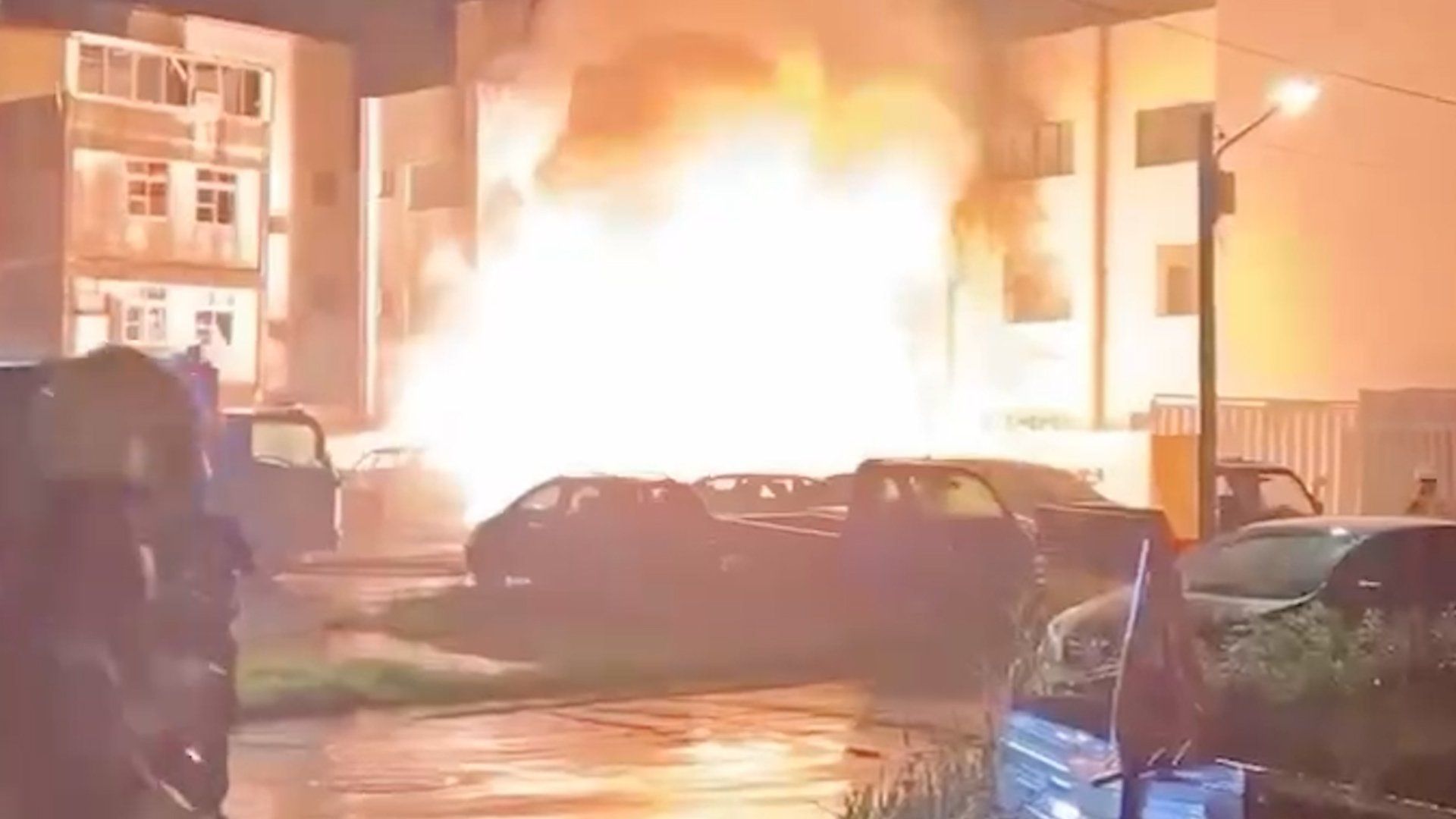
A chilling incident unfolded recently in Tainan, Taiwan, when the historic city was rocked by a massive explosion at a waste collection site. The dramatic event, which occurred during ongoing firefighting operations, left at least 13 individuals injured, a significant number of whom were dedicated firefighters battling the initial blaze. This sudden and violent eruption plunged the area into chaos, prompting a swift, large-scale emergency response and raising immediate concerns about industrial safety protocols and urban waste management practices, all stemming from this devastating Taiwan Explosion.
The calamity struck at a critical juncture. Firefighters had been diligently working to contain a fire that had broken out at the facility, a routine yet inherently dangerous task. Eyewitness accounts suggest the explosion was not only deafening but also visually startling, sending plumes of smoke and debris high into the sky, visible from considerable distances. The sheer force of the blast was strong enough to cause structural damage to surrounding properties and send shockwaves through the local community, highlighting the precarious nature of managing combustible materials in close proximity to residential areas.
The Immediate Aftermath of the Taiwan Explosion
In the frantic moments following the blast, the priority immediately shifted from firefighting to search-and-rescue. Emergency medical teams, ambulances, and additional fire brigades converged on the scene, their sirens piercing the air. The injured, comprising both first responders and local residents caught in the vicinity, were quickly triaged and transported to nearby hospitals. Their injuries reportedly ranged from minor cuts and abrasions to more severe conditions requiring urgent medical attention, underscoring the dangers inherent in such volatile situations. The courage of these individuals, particularly the firefighters who faced unimaginable peril, cannot be overstated; they knowingly put their lives on the line to protect others.
Local authorities moved swiftly to cordon off the area, ensuring public safety and facilitating unhindered access for emergency services. Residents in the immediate vicinity were advised, and in some cases, evacuated, as concerns lingered about potential secondary explosions or hazardous material releases. The air quality was monitored closely, and public advisories were issued, urging caution and recommending that people stay indoors if they were downwind of the blast site. The incident served as a stark reminder of the unpredictable risks associated with industrial operations, especially those involving waste, which can often contain an array of reactive and flammable substances.
Questions of Safety and Oversight
As the dust settled, albeit metaphorically, questions began to emerge regarding the circumstances that led to such a catastrophic event. Investigations are already underway, spearheaded by various government agencies, to determine the precise cause of the explosion. Was it a chemical reaction, an accumulation of methane gas from decaying waste, faulty equipment, or perhaps a lapse in operational safety? These are the critical inquiries that demand answers, not only for accountability but also to prevent future occurrences.
The incident also shines a spotlight on the broader landscape of waste management and industrial safety regulations in Taiwan. Facilities handling potentially hazardous materials are subject to stringent guidelines designed to mitigate risks. However, the efficacy of these regulations, and the diligence with which they are enforced and adhered to, are now under intense scrutiny. Public trust hinges on transparency and the assurance that such sites are operated with the utmost care, prioritizing safety above all else. For similar calls for thorough review in other sectors, one might consider the necessity for rigorous audits and implementing corrective measures in response to systemic failures, as seen in educational testing agencies.
In the aftermath, it is imperative for authorities to not only identify the root cause but also to implement comprehensive reforms if deficiencies are found. This could involve reviewing licensing procedures, enhancing inspection protocols, upgrading safety infrastructure, and providing advanced training for emergency responders who face these incredibly challenging scenarios. The international community often looks to examples like this to re-evaluate their own industrial safety standards and global safety protocols.
The Tainan waste site Taiwan Explosion serves as a sobering testament to the persistent hazards in our modern industrial world. While the physical wounds of the injured will heal, the psychological impact on those involved and the wider community may linger. It underscores the critical importance of continuous vigilance, robust regulatory frameworks, and unwavering commitment to safety in all sectors, ensuring that tragedies like this are not repeated. The resilience of the Taiwanese people, particularly the residents of Tainan and their heroic first responders, will undoubtedly play a crucial role in their recovery from this harrowing event, prompting a collective re-evaluation of how we manage risk in an increasingly complex environment.