
No charges laid after N.S. boy killed in dog attack: RCMP
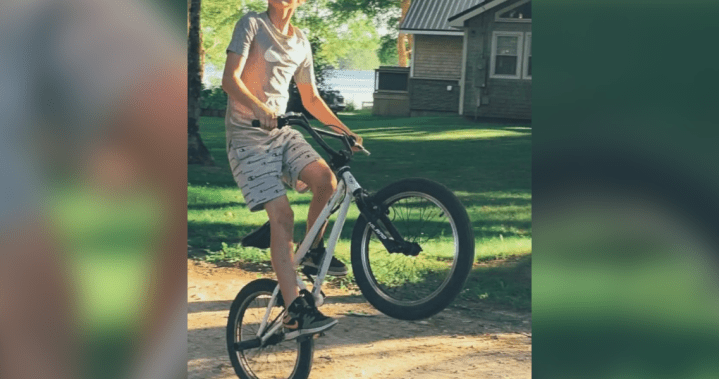
Shelburne County, Nova Scotia — In a development that has sent ripples of profound sorrow and lingering questions throughout the tight-knit community, the Royal Canadian Mounted Police (RCMP) has announced that no charges will be laid following a devastating dog attack that tragically claimed the life of 13-year-old Drew Nickerson in Welshtown this past January. The conclusion of this heartbreaking dog attack investigation marks a sombre chapter for all involved, leaving many to grapple with an outcome that, while legally final, offers little solace to those grieving.
The incident, which occurred on January 3, saw young Drew Nickerson, a vibrant Grade 8 student at Shelburne Regional High School, mauled by three large-breed dogs while riding his bicycle. The severity of his injuries necessitated an immediate airlift to a hospital in Halifax, where he later succumbed to his wounds. The community had held its breath, hoping for a different outcome, but the reality of his passing cast a long shadow.
The Concluded Dog Attack Investigation: RCMP’s Findings
In an official update issued Thursday, the Shelburne RCMP confirmed the cessation of their exhaustive inquiry, stating that there were “insufficient grounds” to proceed with charges. Sergeant Jeff LeBlanc, speaking on behalf of the Shelburne RCMP, conveyed the force’s deep empathy: “This remains a heartbreaking incident. Our thoughts are with the youth’s loved ones and everyone in the community who’s been affected by this loss.” The meticulous nature of the police work involved analyzing video footage, conducting extensive interviews with witnesses and neighbours, and a thorough review of information provided by the Nova Scotia Medical Examiner Service. The dog owners, whose identities have not been publicly disclosed, were noted to have been fully cooperative throughout the process, a crucial aspect often seen in such sensitive cases.
Understanding the legal threshold for laying charges is paramount in such situations. “Insufficient grounds” implies that while a tragic event occurred, the evidence collected did not meet the stringent legal requirements to prove criminal negligence or a specific offense beyond a reasonable doubt. This can be an incredibly complex determination, often dependent on factors such as prior knowledge of the dogs’ aggression, containment measures, and the specific circumstances leading to the interaction. For example, similar complexities have been observed in other investigations where legal outcomes might not align with public perception, as seen in cases like a man found not guilty of 2nd-degree murder in a Toronto incident, highlighting the intricate nature of legal proof.
The Breeds Involved and Community Reaction
The dogs identified in the attack were two Cane Corsos and one Rottweiler, breeds known for their strength, loyalty, and protective instincts. Following the incident, all three animals were euthanized. While the focus of the dog attack investigation was on the legal aspects, the incident inevitably rekindled widespread discussions about responsible pet ownership, breed-specific legislation, and the societal duties that come with owning powerful animals. Organizations dedicated to dog bite prevention consistently emphasize the importance of training, socialization, and secure enclosures, regardless of breed.
The vacuum left by Drew’s passing is palpable in Welshtown. His teacher, in an earlier statement, wished for him to be remembered as someone who uplifted others, a testament to his character and the positive impact he had on those around him. The absence of criminal charges, while based on the letter of the law, does not diminish the community’s profound grief nor the questions that may persist for years to come. Such incidents serve as stark reminders of the unpredictable nature of life and the immense responsibility inherent in coexisting with animals, particularly those with significant physical capabilities.
As the community moves forward, attempting to heal from an unfathomable loss, the conclusion of the dog attack investigation closes one chapter, but the memory of Drew Nickerson and the lessons from this tragedy will undoubtedly endure, prompting ongoing conversations about safety, accountability, and compassion.