
Anger mounts in Nepal over the government’s response to flash flood
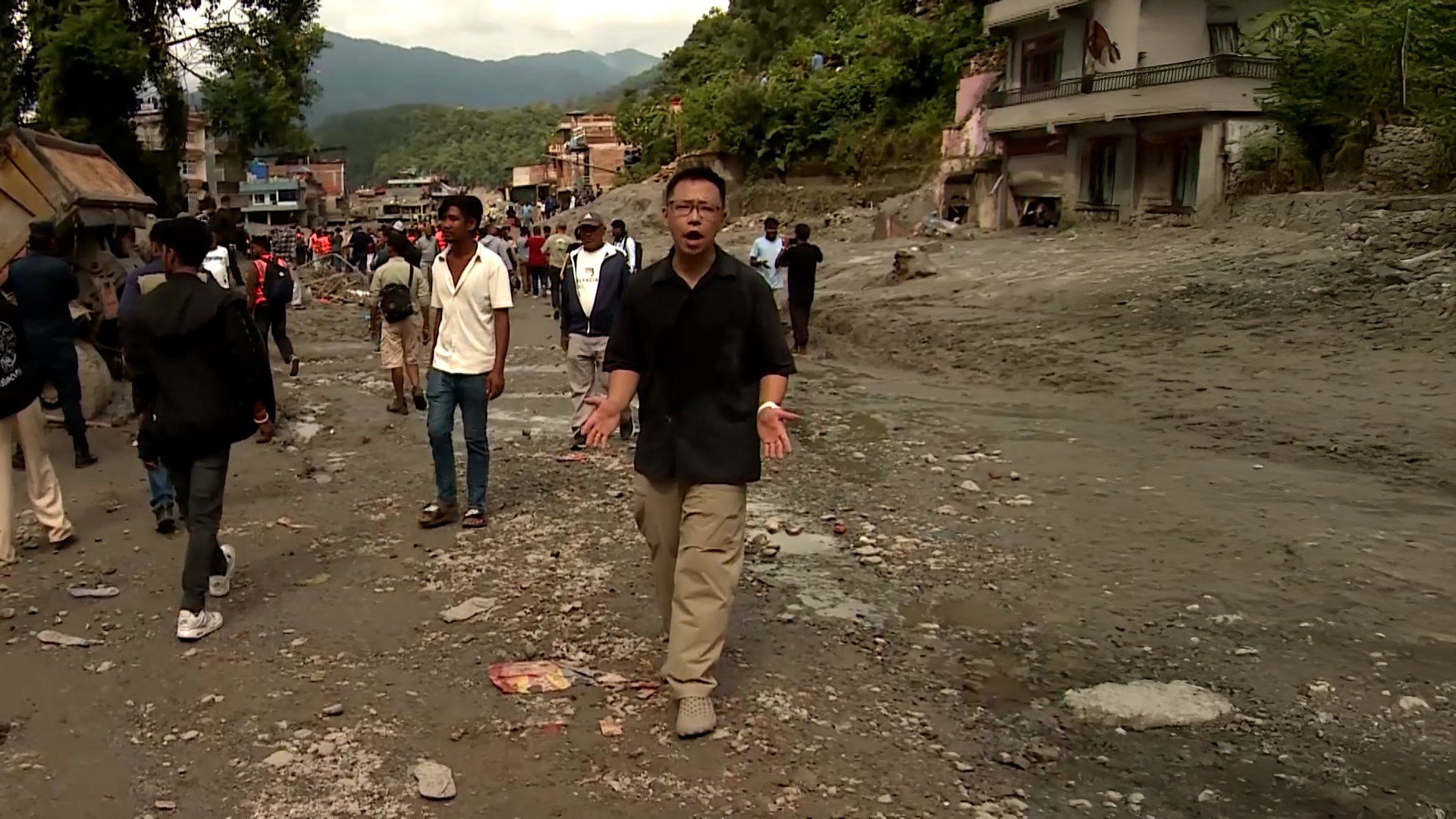
A palpable sense of frustration, laced with deep sorrow, has gripped the flood-ravaged Nuwakot district in Nepal as survivors grapple with the devastating aftermath of a recent flash flood. The catastrophe, which struck abruptly near the Nepal-Tibet border on a Wednesday, has unleashed a torrent of public anger. Al Jazeera’s Barnaby Lo reports that residents are vocal in their accusations, citing significant delays in government aid delivery and a dishearteningly slow pace in the search for their missing loved ones following the destructive Nepal flash flood.
The Catastrophe and Mounting Anger Over Nepal Flash Flood
The calamity unfolded with terrifying speed, leaving little time for the inhabitants of this mountainous region to react. Flash floods, characterized by their sudden onset and immense destructive power, are a particularly insidious threat in areas with steep terrain and unpredictable weather patterns, like the Himalayas. Homes, livelihoods, and entire communities were swept away or buried under mountains of mud and debris. The sheer scale of destruction has left thousands displaced, many of whom witnessed their world being irrevocably altered in a matter of hours.
The initial shock has now given way to a simmering resentment. For those who have lost everything, including family members, the efficiency and empathy of the government’s response are paramount. Yet, reports from the ground indicate a chasm between these urgent needs and the aid reaching those who need it most. Survivors recount agonizing waits for essential supplies, medical assistance, and search-and-rescue teams. Each passing hour without news of the missing fuels not just despair, but also a fierce indignation against what they perceive as governmental negligence or, at best, severe inadequacy.
Logistical Nightmares vs. Human Urgency
Nepal, a land of breathtaking beauty and formidable geography, frequently faces the wrath of nature. Its rugged terrain, while stunning, poses immense logistical challenges during disaster relief operations. Roads are often precarious, easily washed out by heavy rains or landslides, making access to remote villages incredibly difficult. This geographical reality, however, does little to soothe the anxieties of those stranded and suffering. The expectation, quite rightly, is that contingency plans should be robust enough to overcome such predictable obstacles.
The criticism isn’t merely about the slowness of aid; it’s about the perceived lack of coordination and transparency. Communities feel isolated, cut off not just physically but also from reliable information regarding the status of relief efforts or the fate of their loved ones. This communication void exacerbates fear and distrust, making an already dire situation even more psychologically taxing. Moreover, the proximity to the Tibet border introduces another layer of complexity, often requiring delicate diplomatic coordination, though immediate humanitarian needs typically transcend such geopolitical nuances. For context on regional responses to such crises, one might recall previous instances where India played a crucial role in coordinating relief, such as in the aftermath of earlier Nepal floods.
The Search for Accountability Amidst Despair
As the days turn into a week since the incident, the hope of finding survivors diminishes, intensifying the demand for accountability. Questions are being raised about the efficacy of early warning systems, the level of preparedness in vulnerable regions, and the overall disaster management framework. While no government can entirely prevent natural disasters, effective planning, rapid response, and transparent communication are crucial in mitigating loss and rebuilding trust. The current situation in Nuwakot highlights a critical need for improvements in these areas.
The collective outcry from Nuwakot serves as a stark reminder of the fragile relationship between communities and their governing bodies during times of extreme crisis. The trust, once eroded by perceived inaction or inefficiency, is incredibly difficult to restore. As international humanitarian organizations often highlight, timely and well-coordinated assistance is not just about material aid; it’s about validating the suffering of victims and demonstrating that their lives matter. The psychological scars left by such devastating natural phenomena can be profound, and a feeling of abandonment by one’s own government only deepens the wound.
Looking ahead, the long road to recovery for Nuwakot will require sustained effort, not just from the government but also from non-governmental organizations and the wider global community. It necessitates a critical review of existing disaster preparedness protocols, an investment in resilient infrastructure, and a commitment to ensuring that future responses are swift, compassionate, and effective. Only then can the anger subside and the focus shift entirely to healing and rebuilding.