
Nepal Floods: 108 Indians Rescued, 275 Missing; Govt Coordinating Relief Ops With Kathmandu, China
A humanitarian crisis of immense scale is unfolding in the heart of the Himalayas, as devastating Nepal floods, triggered by a calamitous glacial collapse, continue to wreak havoc across the mountainous terrain. The Ministry of External Affairs (MEA) confirmed on Saturday that while 108 Indian nationals have been successfully rescued from the deluge-stricken areas of Nepal, and contact re-established with an additional 50 individuals previously untraceable, a significant and troubling number — over 275 Indian nationals and 128 persons of Indian origin — regrettably remain missing. This alarming situation underscores the perilous conditions faced by thousands in the wake of an unprecedented natural disaster.
The glacial collapse unleashed a torrent of water, ice, rock, and debris, transforming serene valleys into raging rivers of destruction. Beyond the Indian nationals directly impacted, the wider catastrophe paints a grim picture: a staggering 675 deaths have been reported thus far across Nepal and Tibet, with nearly 3,000 people still unaccounted for. The sheer magnitude of this event necessitates a robust, multi-faceted response, and India has swiftly moved to extend its full support, coordinating meticulously with authorities in both Kathmandu and Beijing.
The Anatomy of Disaster: Understanding the Nepal Floods
The recent events serve as a stark reminder of the volatile geological and meteorological conditions inherent to the Himalayan region. Glacial lake outburst floods (GLOFs), like the one believed to be the catalyst for the current disaster, occur when natural dams holding back glacial meltwater suddenly fail. This catastrophic phenomenon can unleash massive volumes of water and debris downstream with little to no warning, obliterating everything in their path. The region, already vulnerable to seismic activity and heavy monsoon rains, faces an increasingly complex threat matrix exacerbated by changing climatic patterns, which contribute to the accelerated melting of glaciers and the formation of larger, more unstable glacial lakes. Experts often cite these extreme weather events as indicators of broader environmental shifts impacting fragile ecosystems worldwide. To learn more about this devastating type of geological event, one can refer to comprehensive resources on glacial lake outburst floods.
The human toll is immeasurable. Families have been torn apart, homes obliterated, and entire communities displaced. The story of a 97-year-old woman, pulled alive from the rubble after hours, offers a glimmer of hope amidst the despair, symbolizing the enduring resilience of those affected. Yet, for every miracle, there are countless tales of loss and uncertainty, as rescue teams battle against treacherous conditions to locate survivors.
India’s Coordinated Response to the Nepal Floods
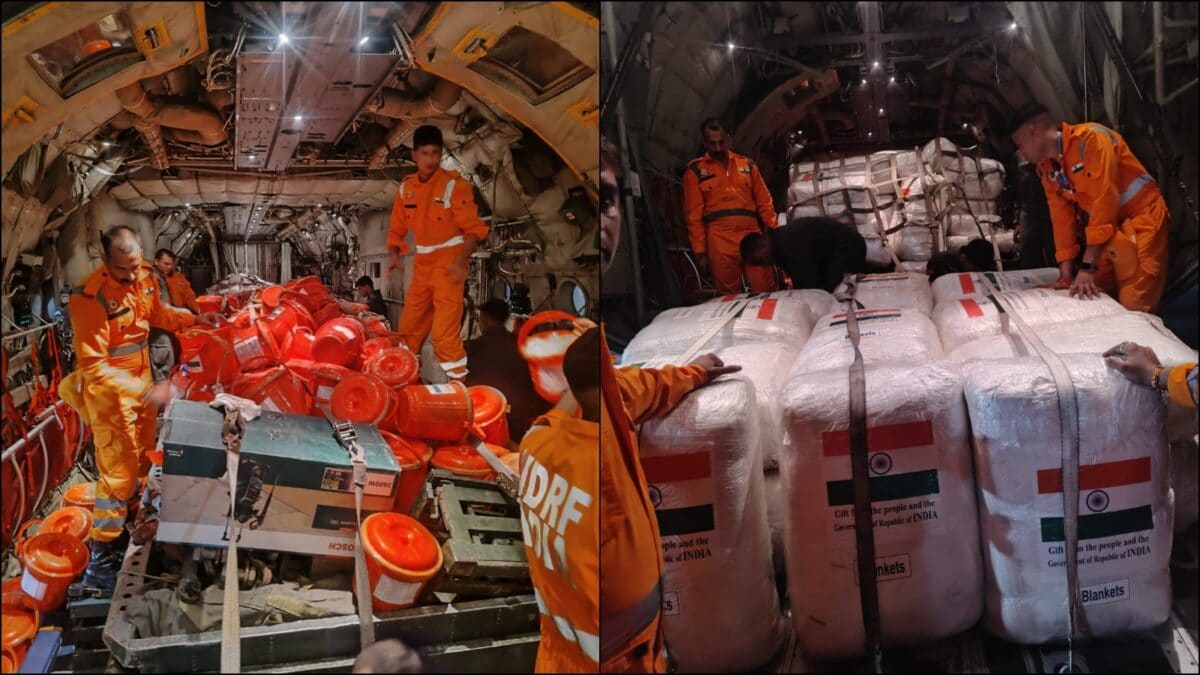
In response to the escalating crisis, the Indian government has initiated extensive rescue and relief operations, characterized by close coordination with its regional neighbours. The Ministry of External Affairs (MEA) has been at the forefront of these efforts, establishing a round-the-clock Control Room in New Delhi. This central hub facilitates seamless communication and real-time monitoring of the situation. Furthermore, 24/7 helplines have been made operational at the Indian embassies in Kathmandu, Nepal, and Beijing, China, serving as critical lifelines for anxious families seeking information about their loved ones. India’s proactive stance also includes the dispatch of crucial relief materials, with the latest consignment marking the fourth such delivery of assistance to the affected regions.
A significant aspect of India’s ongoing efforts involves monitoring and facilitating the transit of Indian nationals returning from the sacred Kailash Manasarovar Yatra. Many pilgrims undertake this arduous spiritual journey annually, often traversing areas now severely impacted by the floods. The MEA has confirmed that 598 Indian nationals have safely crossed into Nepal from China over the past two days, with approximately 900 more stranded in China but reported safe and contactable. The Indian missions are diligently working to ensure the safety and well-being of all rescued individuals, providing necessary logistical support and humanitarian aid. For specific assistance, an emergency helpline has been activated.
Challenges and the Spirit of International Collaboration
The scale of the disaster presents formidable challenges for rescue and relief teams. The rugged, mountainous terrain, often cut off by landslides and damaged infrastructure, makes access difficult and dangerous. Helicopters are frequently the only means to reach remote villages, but adverse weather conditions can severely hamper aerial operations. In this context, the trilateral coordination between India, Nepal, and China becomes not just beneficial, but absolutely indispensable. Sharing intelligence, resources, and expertise is paramount to maximizing efficiency and minimizing further loss of life.
The situation along the Nepal-Tibet border, where many Indian pilgrims were traveling, adds another layer of complexity. India’s activation of its mission in China underscores the need for a comprehensive, cross-border approach to disaster management. The concerted efforts reflect a shared responsibility and a spirit of humanitarianism that transcends national boundaries, especially during times of profound crisis. Such regional cooperation is vital for effective disaster relief operations.
A Long Road to Recovery
As the immediate emergency response continues, the focus will inevitably shift towards long-term recovery and rehabilitation. Rebuilding shattered communities, restoring livelihoods, and fortifying infrastructure against future climate-induced disasters will be a monumental task. The Nepal floods serve as a poignant reminder of our planet’s increasing vulnerability and the urgent need for enhanced regional and international strategies for disaster preparedness and climate adaptation. The human story, however, continues to unfold, with every rescued individual a testament to collaborative courage and unwavering hope.