
Ireland beats Israel 3-0 wearing black armbands to support Gaza
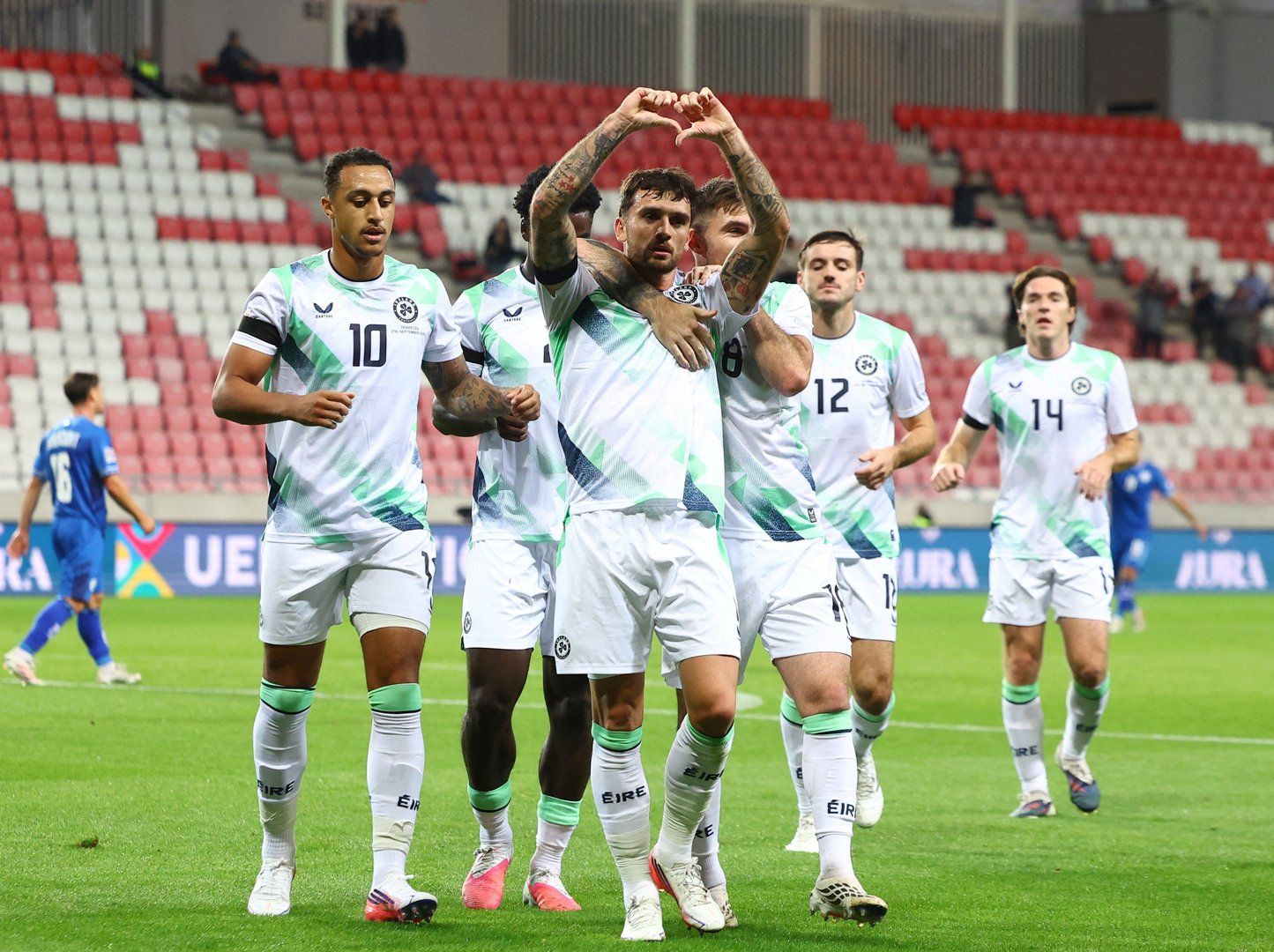
In a UEFA Nations League encounter that transcended the boundaries of sport, Ireland secured a decisive 3-0 victory against Israel during a match held on neutral ground in Hungary. The fixture, which had been preceded by significant public pressure and widespread calls for a sporting boycott, ultimately became a powerful symbol of political defiance. As Irish players stepped onto the pitch wearing black armbands, the gesture served as a somber and public acknowledgment of the humanitarian catastrophe currently unfolding in Gaza, signaling a growing intersection between international football and global activism.
Understanding the Context of the Ireland Israel Match
The decision to proceed with the match, despite the volatile climate surrounding the conflict, placed both teams under an intense international spotlight. While many spectators expected a standard display of athletic competition, the atmosphere was thick with tension long before the opening whistle. For many, this event highlights how sports organizations often struggle to balance neutrality with the pressing realities of global events. Similar instances of localized instability have forced organizations to adapt, such as when observers watched conditions deteriorate in frontline cities elsewhere in the world, proving that no territory remains isolated from the reach of geopolitical strife.
The choice by the Irish side to don black armbands was not merely a symbolic accessory but a direct, visual message of solidarity. By choosing to wear these items, the players navigated a narrow path between FIFA regulations regarding political expression and their desire to express personal empathy for the suffering in the Gaza Strip. This moment reflects a broader trend where athletes increasingly utilize their platform to weigh in on matters of human rights, defying the traditional notion that the playing field should be apolitical.
The Global Impact of Sporting Activism
The geopolitical ramifications of the 3-0 result are being analyzed as much as the tactical performance on the pitch. While Israel sought to maintain a focus on their UEFA Nations League campaign, the narrative was undeniably hijacked by the protests echoing outside the stadium and the symbolic actions taken on the grass. Critics of the boycott movement argued that excluding nations from international sporting events only serves to deepen divisions, yet advocates believe that silence in the face of widespread human suffering is a form of complicity. For a deeper understanding of how international organizations view these conflicts, one can refer to records provided by the United Nations, which continue to monitor the humanitarian fallout of such long-standing regional crises.
Ultimately, the match serves as a case study for the future of international sports diplomacy. As fans, officials, and athletes continue to clash over the role of politics in athletics, the Ireland versus Israel fixture will likely be remembered as a flashpoint. It underscores the reality that for millions, the game is no longer just about the scoreline; it is a battle for visibility in an increasingly divided world. Whether this will lead to formal policy changes from UEFA remains to be seen, but one thing is clear: the era of keeping world events outside the stadium gates is effectively over.