
Inside Yemen’s front-line city as Houthis battle for control
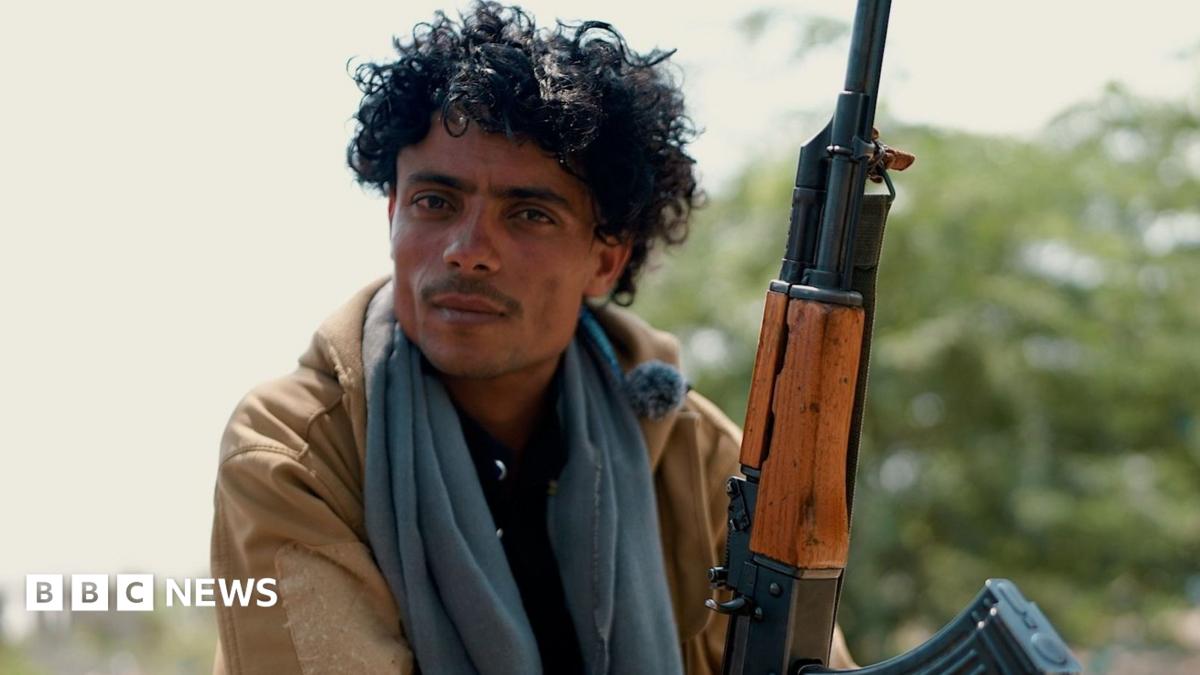
In the rugged highlands of south-western Yemen, the reality of the ongoing Yemen conflict is defined by the constant, piercing buzz of overhead drones. As our vehicle navigates the precarious mountain passes leading toward the besieged city of Taiz, the tension is palpable. The local soldiers accompanying us do not need to check their monitors to know what comes next. In this territory, the hum of a drone is rarely an isolated phenomenon; it is almost universally followed by the concussive thud of an artillery strike.
Taiz remains a critical flashpoint in a war that has fractured the nation. As pro-government forces, supported by a Saudi-led coalition, attempt to hold their ground, the Houthis continue their aggressive push to control strategic transit routes. The intensity of this engagement has forced thousands of families to abandon their homes, leaving behind fields and livestock, only to face an uncertain future in crowded displacement camps. For more context on regional instability, you can explore the global implications of the Yemeni crisis.
The Escalation of the Yemen Conflict
The strategic stakes in the Yemen conflict have shifted dramatically following recent Houthi advances along the Red Sea coast. By seizing control near the Bab al-Mandab Strait, a vital maritime chokepoint connecting European and Asian markets, the group has effectively escalated the regional crisis. This move has triggered ripples far beyond the borders of Yemen, causing significant fluctuations in global oil prices and raising fears among international observers about the vulnerability of energy supply lines.
Inside the city of Taiz, the contrast between daily survival and the machinery of war is stark. While restaurants remain open and children attempt to play in the streets, the auditory landscape is dominated by the sound of incoming mortar fire. The human toll is perhaps most visible at the al-Thawra hospital, where the intensive care unit is filled with both combatants and innocent civilians. Among them is twelve-year-old Ghana, whose life was irrevocably altered by shrapnel while she was simply tending to her family’s goats.
The logistical nightmare of this war is further compounded by the fractured nature of the government forces. As one travels from Aden, the route is punctuated by dozens of checkpoints, each manned by different factions. This fragmentation mirrors the larger political instability of the region, which has been plagued by years of turmoil. Readers interested in other regional security issues might find insights in this report on recent security-related developments regarding international military facilities.
The displacement crisis continues to mount, with the United Nations reporting that over 130,000 individuals have been uprooted this month alone. Many, like Fatma Mohammed Saleh, survive harrowing journeys on foot, often sacrificing everything to ensure their families have a chance at life. As the Houthis consolidate their positions and prepare for potential further offensives, the humanitarian outlook remains grim. The Yemen conflict persists not just as a geopolitical struggle over territory, but as a grinding endurance test for millions of civilians trapped in the crossfire.