
US, China list goods recommended for tariff cuts following Trump-Xi summit
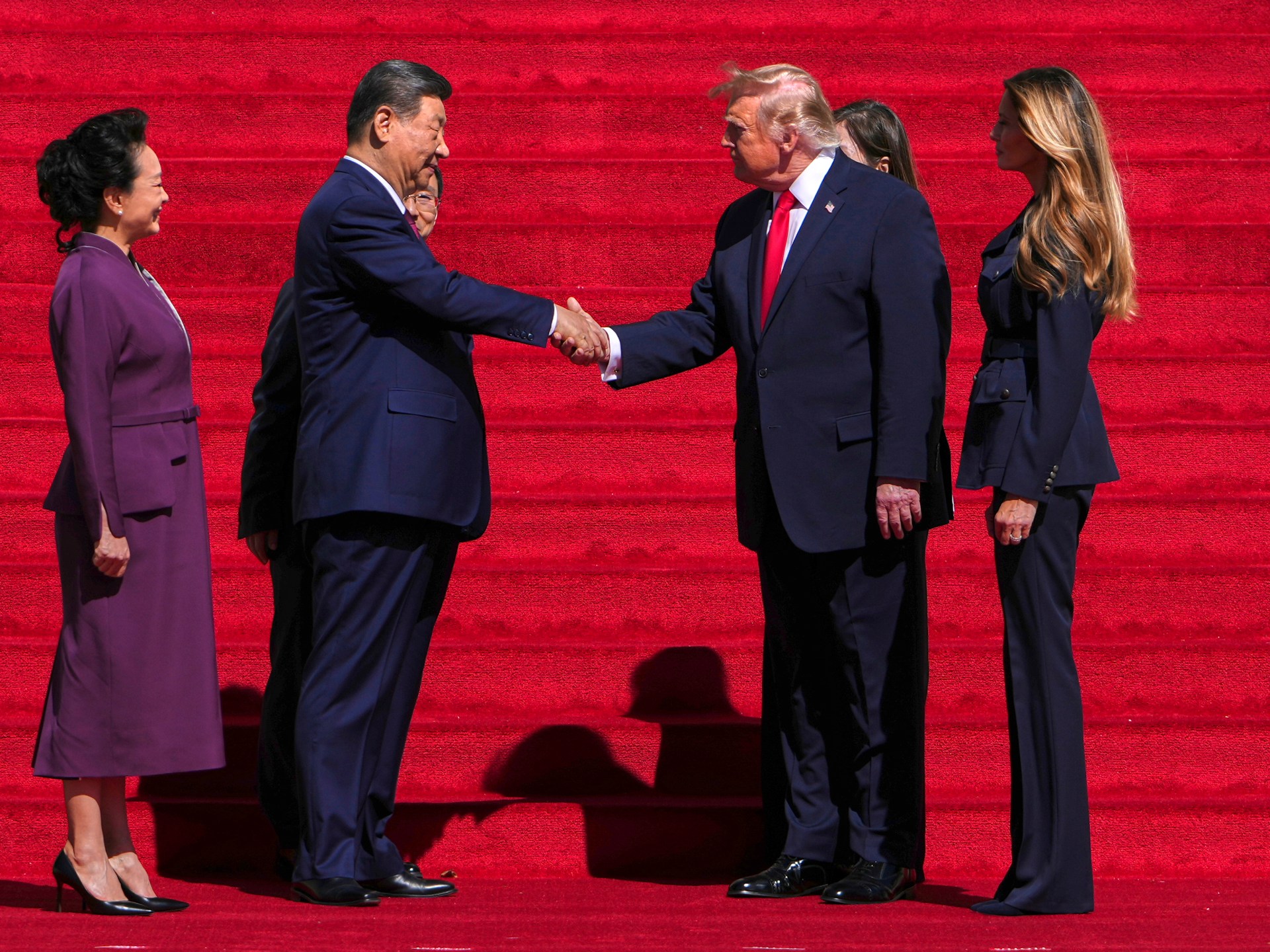
In a move that has captured the attention of global financial analysts, the United States and China have officially unveiled a list of goods recommended for reduced tariffs. This development follows a high-stakes diplomatic summit between President Donald Trump and President Xi Jinping, marking a potential, albeit cautious, shift toward thawing trade relations. The US-China tariff cuts represent a commitment to address $60 billion in combined trade, with each nation targeting $30 billion worth of imports for more favorable treatment.
The agreement is broad in scope but specific in its targets. The US side has identified over 1,600 products, while China has highlighted 77 categories. The items range from the mundane to the specialized, including everything from microwave ovens and weighing scales from China to American-grown peanuts, dairy, and even pure-breed breeding horses. US Trade Representative Jamieson Greer stated that the deal aims to foster a more balanced and reciprocal trade environment, benefiting both domestic consumers and manufacturers. For more context on the ongoing geopolitical tensions often tied to these policy shifts, one might consider the broader landscape of international political instability.
Analyzing the Scope of US-China Tariff Cuts
While the announcement suggests a collaborative spirit, experts are advising against overestimating its immediate economic impact. The lists, while extensive in item count, focus primarily on non-sensitive goods. Critics and market observers argue that these adjustments are unlikely to trigger a seismic shift in the total trade volume between the two superpowers. As noted by industry experts, many of the agricultural goods listed are not currently exported in significant quantities, suggesting that the gesture may be as much about diplomatic optics as it is about fiscal reality.
The trade relationship between Washington and Beijing has been fraught with challenges since President Trump returned to office last year. Data from the US Trade Representative indicates that two-way trade plummeted to $495 billion in 2025, a 25 percent decline from the previous year. This volatility has forced businesses worldwide to reconsider their global supply chain strategies to avoid the pitfalls of sudden policy reversals. Despite the high-profile nature of the recent summit, the fundamental divides regarding artificial intelligence, national security, and the status of Taiwan remain largely unaddressed.
For those watching the situation closely, the next chapters in this diplomatic saga are already on the horizon. Presidents Trump and Xi are scheduled to convene again at the APEC summit in Shenzhen this November, followed by a meeting at the G20 gathering in Miami in December. Whether these future sessions will produce substantive breakthroughs or continue the pattern of incremental, minor concessions remains to be seen. For domestic audiences interested in how changing leadership roles impact policy, one might reflect on how changing societal and political norms influence governance.
Ultimately, the latest round of US-China tariff cuts provides a small measure of stabilization for a relationship that has been characterized by uncertainty. While it may not serve as a cure-all for the inflationary pressures or the systemic trade imbalances, it signals a desire on both sides to keep the lines of communication open, preventing a total collapse of the economic bridge that connects the world’s two largest economies.